

Skip to content

Free shipping on orders over €79

B vitamins

B vitamins are water-soluble substances that play a crucial role in the body's metabolism, cellular activity, nervous system function, and blood cell formation. Since the body does not store these vitamins—excess amounts are excreted in the urine—they must be consumed regularly through food or supplements. The B vitamin supplements offered in our e-shop provide a convenient, high-quality way to ensure you get these essential micronutrients.

Compare (0/5)

6 products

Swanson Folic Acid 800mcg 250 Capsules

Swanson

Vitamin B9 (Folic acid, folates)

Swanson Folic Acid 800mcg 250 Capsules

Regular price €10,99
Sale price €10,99 Regular price €17,99
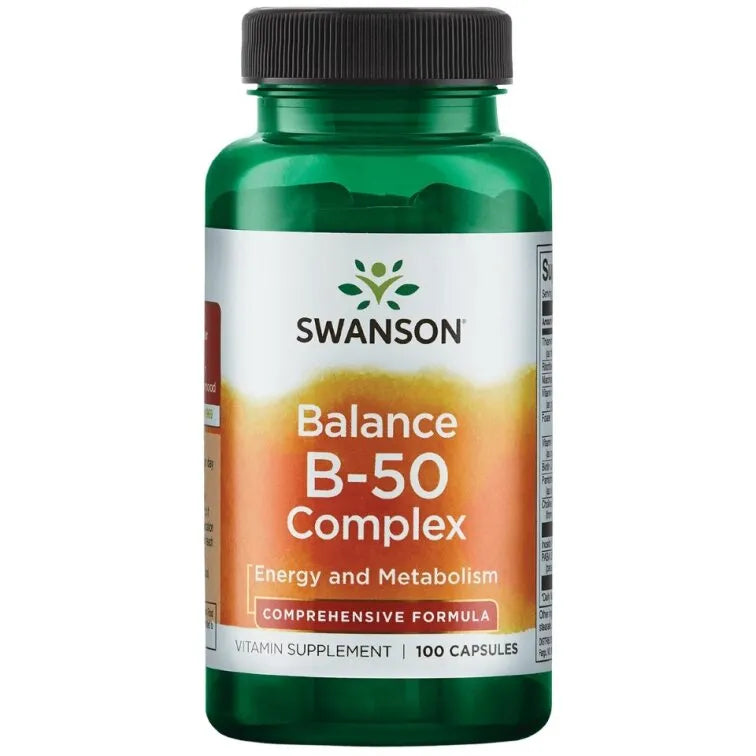
Swanson Vitamin B Complex 100 capsules

Swanson

B vitamins

Swanson Vitamin B Complex 100 capsules

Regular price €13,99
Sale price €13,99 Regular price €18,99
Swanson Biotin 5000µg 100 capsules

Swanson

Vitamin B7 (Biotin)

Swanson Biotin 5000µg 100 capsules

Regular price €8,99
Sale price €8,99 Regular price €13,99
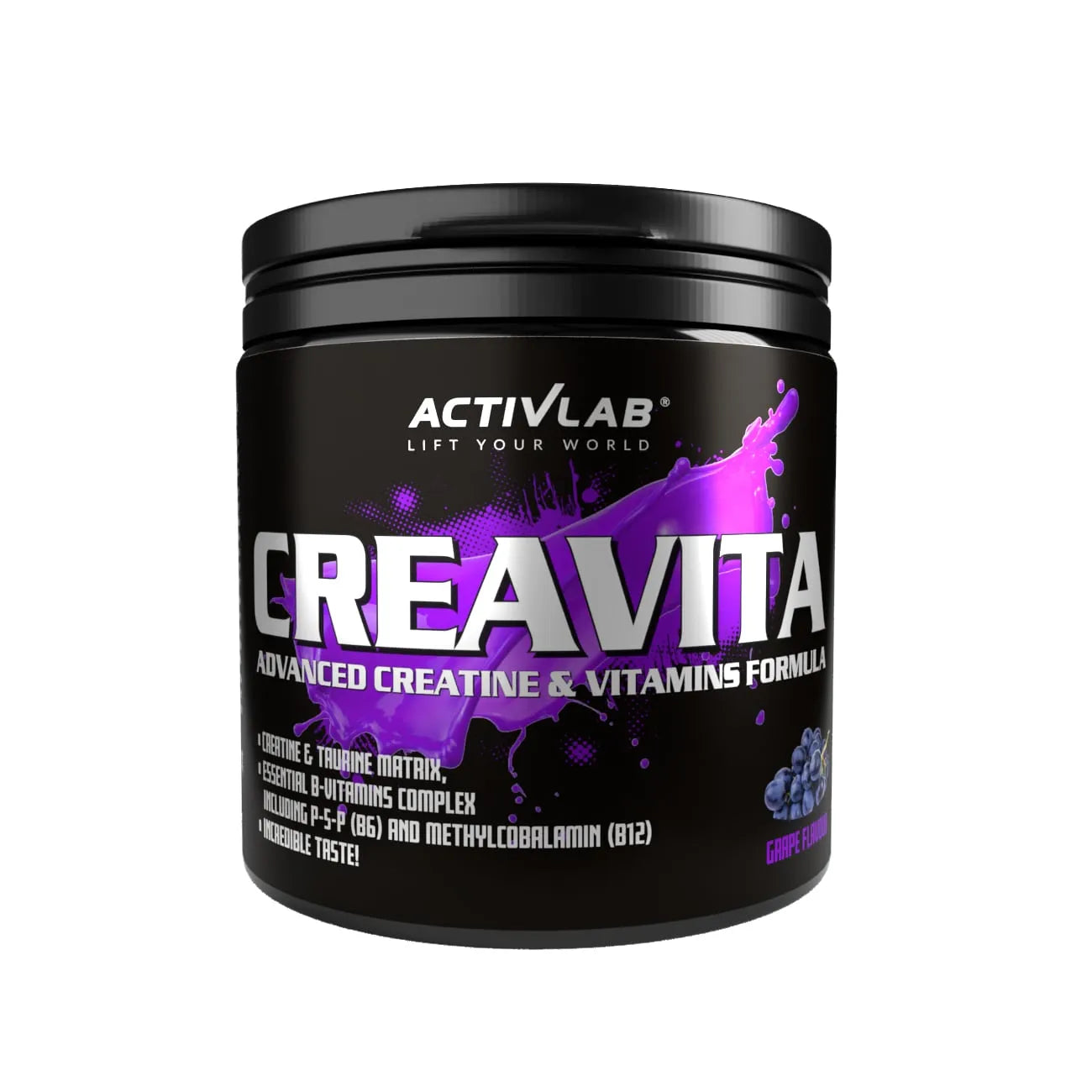
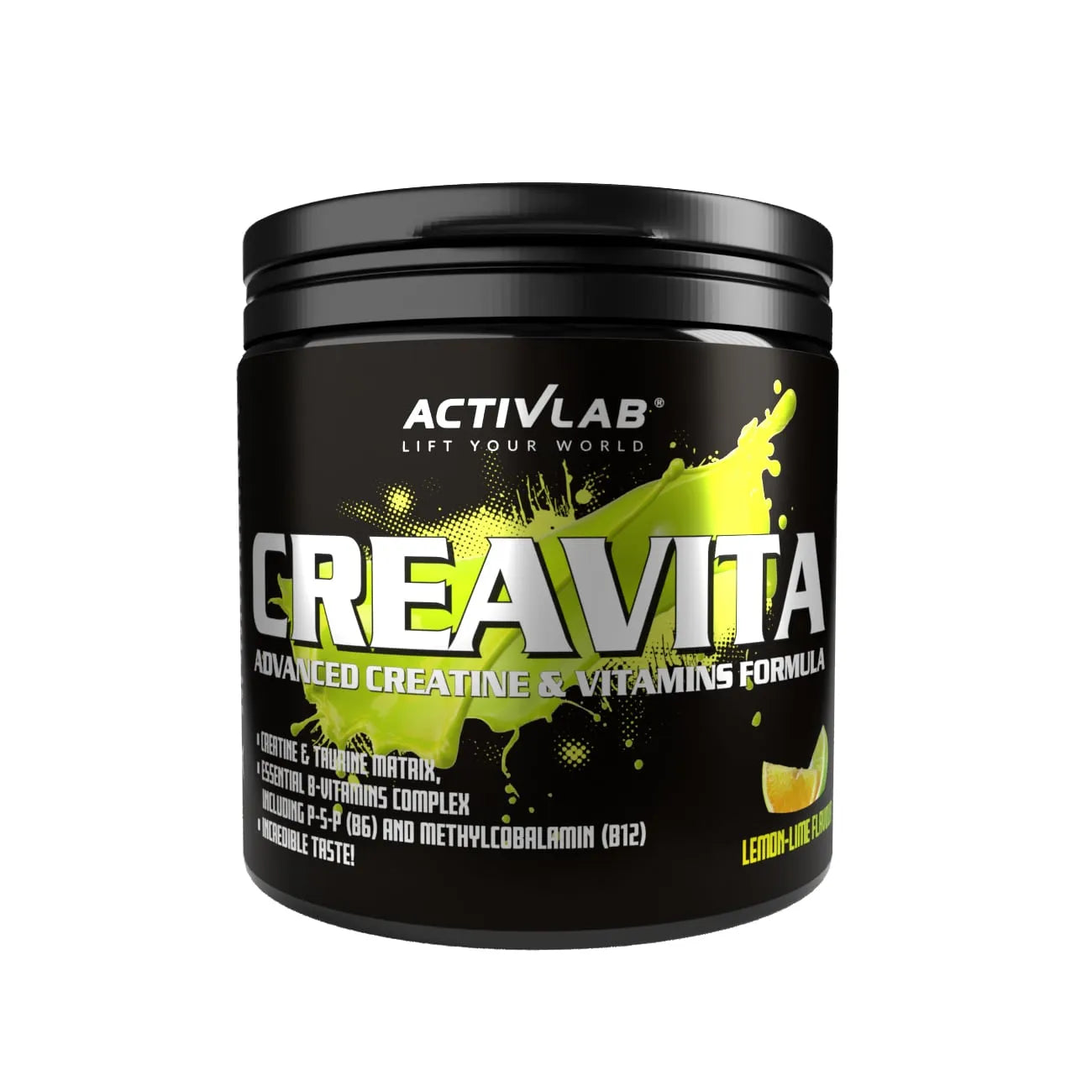
Activlab Creavita 300g

ActivLab

Creatine monohydrate

Activlab Creavita 300g

Regular price €22,99
Sale price €22,99 Regular price
OstroVit Supreme Pure Inositol 200 g

OstroVit

Vitamin B8 (Inositol)

OstroVit Supreme Pure Inositol 200 g

Regular price €14,99
Sale price €14,99 Regular price €18,99
Swanson Vitamin B12 500mcg 100 capsules

Swanson

Vitamin B12

Swanson Vitamin B12 500mcg 100 capsules

Regular price €7,99
Sale price €7,99 Regular price €9,99

What B vitamins include and their main functions

These vitamins are often called the "B complex" - but each of them has its own specific function.

B1 (Thiamine). Involved in energy (carbohydrate) metabolism, nervous system function.

B2 (Riboflavin). Important for metabolic enzymes, skin/eye health, cellular oxygen utilization.

B3 (Niacin). Supports skin and nervous system health, participates in red blood cell production, circulatory functions.

B5 (Pantothenic Acid). Involved in hormone and cholesterol synthesis, as well as energy metabolism.

B6 (Pyridoxine and other forms). Important for protein, glucose metabolism, hemoglobin production, immunity.

B7 (Biotin). Supports hair, skin and nail condition, fat and carbohydrate metabolism.

B9 (Folic Acid and Folates). Indispensable for blood cell production, especially during pregnancy - for neural tube formation.
 
B12 (Cobalamin). Essential for nervous system function, red blood cell formation, DNA synthesis.

In some sources, more substances called B vitamins can be found, such as B8 (Inositol), B10 (para-aminobenzoic acid) or B4 (Choline), but these are not according to the established classification.

Benefits of B vitamins for the body

Energy production and metabolism-related functions

B vitamins are cofactors for enzymes that ensure the breakdown of carbohydrates, fats, and proteins and the production of energy (ATP), so sufficient amounts of them maintain the body's alertness, physical activity, and productivity.

In this case, food supplements can be especially important for those who feel tired or lack energy.

Nervous system activity and psychological state

Optimal levels of B vitamins are required for nerve cell metabolism, synapse function, and neurotransmitter synthesis. For example, B12 deficiency is associated with neurological symptoms (finger numbness, coordination disorders).

Studies show that B vitamins can help improve mood, reduce stress or anxiety symptoms. This suggests that supplementation can be beneficial not only for physical but also for psychological well-being.

Blood cell production, immune function and substance transport

Folic acid (B9) and B12 vitamins are important for erythrocyte production.

Vitamin B6 helps produce white blood cells and T-lymphocytes, thus contributing to the maintenance of the immune system.

Many B vitamins help maintain healthy circulation and homocysteine metabolism, which is important for cardiovascular health.

Skin, hair, nail condition

Biotin (B7) is widely known in the beauty industry for its ability to maintain hair and skin health. In addition, riboflavin and niacin are important for ensuring skin regeneration.

This makes supplements with a B vitamin complex a suitable choice for those who care about the beauty of their hair, skin, and nails.

Special needs - pregnancy, aging, vegetarianism

  • During pregnancy, folic acid (B9) is essential for the formation of the fetal neural tube.
  • Older people may have a reduced ability to absorb B12, so they may need to take additional vitamins.
  • Vegetarians or vegans are at risk of B12 vitamin deficiency, as this vitamin is more commonly found in animal-derived foods.

Signs of B vitamin deficiency

Signs that the body lacks one or more B vitamins:

  • Fatigue, weakness, lack of energy.
  • Skin and mucous membrane changes: cracked corners of the mouth, inflamed tongue, mouth ulcers.
  • Neurological symptoms: numbness, tingling (especially in case of B12 deficiency), coordination disorders.
  • Anemia: especially in case of B12 and folic acid deficiency.
  • Mood swings, anxiety, memory disorders, concentration problems.

It is important to emphasize that in some cases, deficiency symptoms can be mild or develop gradually, so early diagnosis of deficiency is important.

Which foods are rich in B vitamins?

A healthy diet is the first and main choice to ensure a sufficient intake of B vitamins. Main food sources:

  • Animal products: meat (especially liver), poultry, fish, eggs, dairy products - rich in B12, B2, B3.
  • Grains, legumes: help meet B1, B3, and B6 needs.
  • Green leafy vegetables, broccoli are rich in folates (B9).

When to take B vitamin supplements?

Supplements are not necessarily for everyone, but there are situations where they need to be taken:

  • Increased demand: intense physical activity, stress, digestive disorders.
  • Dietary restrictions: vegetarian, vegan diets may increase the risk of insufficient B12.
  • Age: older people may have poorer vitamin B12 absorption.
  • Pregnancy and lactation: during this period, the need for folate (B9) and B12 increases.
  • Health conditions: for example, after stomach or intestinal surgeries, in case of nutrient absorption disorders (celiac disease, Crohn's disease).

How to choose a B vitamin supplement

When choosing a supplement, it is worth considering the following criteria:

  • Is the supplement complex ("B complex") or a single vitamin (e.g., only B12)? If several B vitamins are lacking in the diet, choosing a complex may be more beneficial.
  • Composition and dosage: does it meet the needs?
  • Form: some users have digestive challenges - it is necessary to choose more absorbable forms.
  • Are there additional substances (e.g., magnesium or zinc); they are sometimes combined with B vitamins.
  • Price and quantity.

Dosage, usage guidelines and precautions

Recommended daily allowances

Each B vitamin has its own daily allowance, which varies depending on age, gender, and lifestyle. It is worth noting that often in the case of vitamin complexes, the doses significantly exceed the minimum recommendations. This is done to meet increased needs.

Period of use

Take the supplement according to the manufacturer's recommendations or the instructions of your doctor/pharmacist.

General guidelines:

  • Take with food (better absorption).
  • Regularity: take at the same time of day.
  • If you also consume alcohol, exercise intensely, or have experienced stress, supplements can be especially beneficial.

Precautions and possible side effects

Water-soluble vitamins mean that excess is often excreted in the urine. However, excessive doses can still cause side effects.

  • Excess B6 can cause peripheral neuropathy (manifested by tingling, numbness, or muscle weakness).
  • Excess niacin (B3) can cause skin flushing, tingling, and liver damage.
  • Overdosing on folate (B9) can mask B12 deficiency, so when taking high doses of folate, the B12 status must be considered.

If you have serious health problems (e.g., liver, kidney disease), it is necessary to consult a specialist before taking vitamin supplements.