Skip to content

Free shipping on orders over €79

Collagen

Collagen – for hair, skin, joints. It seems, what could be simpler – you buy collagen supplements and get the desired result. It's a bit more complicated – collagen comes in different types, and each has its best use. So, it's important to choose the right supplement: you can either search for information yourself, ask our consultants, or read our comprehensive guide below.

Compare (0/5)

16 products

VPLab Vegan Collagen Booster 60 caps.

VpLab

Collagen and hyaluronic acid

VPLab Vegan Collagen Booster 60 caps.

Regular price €22,99
Sale price €22,99 Regular price
BiotechUSA Arthro Forte 340g

Biotech USA

Joint supplements

BiotechUSA Arthro Forte 340g

Regular price €28,99
Sale price €28,99 Regular price €34,90
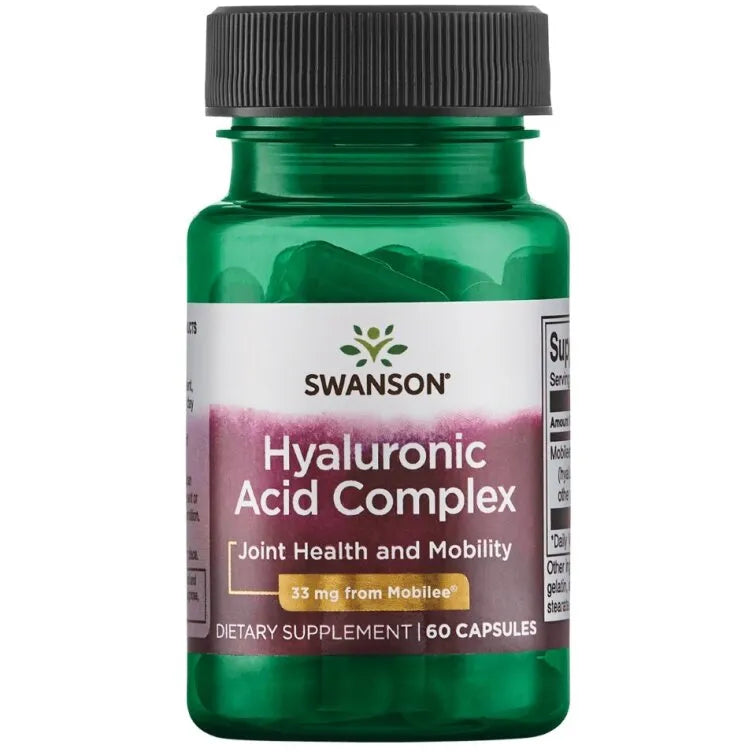
Swanson Hyaluronic Acid and Collagen Complex 60 caps.

Swanson

Collagen and hyaluronic acid

Swanson Hyaluronic Acid and Collagen Complex 60 caps.

Regular price €15,99
Sale price €15,99 Regular price €18,99
Hidrolizuotas kolagenas be cukraus su vitaminu C, mangu skonio, 20 porcijų pakuoteje

QNT

Hydrolyzed collagen

QNT Collagen Care Zero 390g

Regular price €19,99
Sale price €19,99 Regular price €29,99
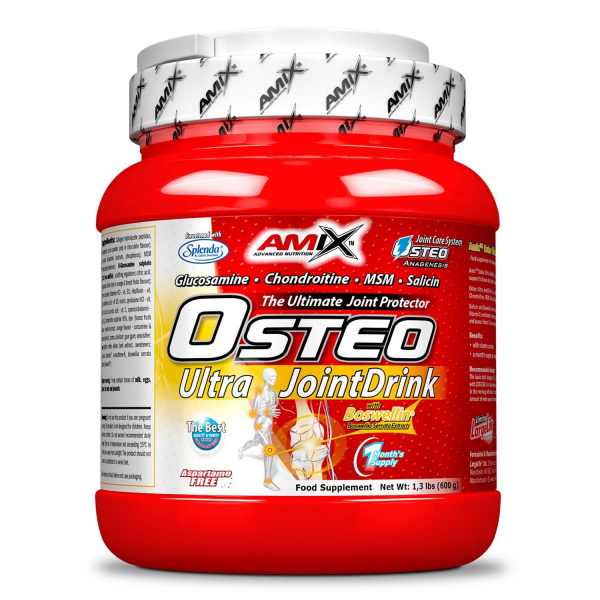
Amix Osteo Ultra GelDrink 600g

Amix

Joint supplements

Amix Osteo Ultra GelDrink 600g

Regular price €24,90
Sale price €24,90 Regular price
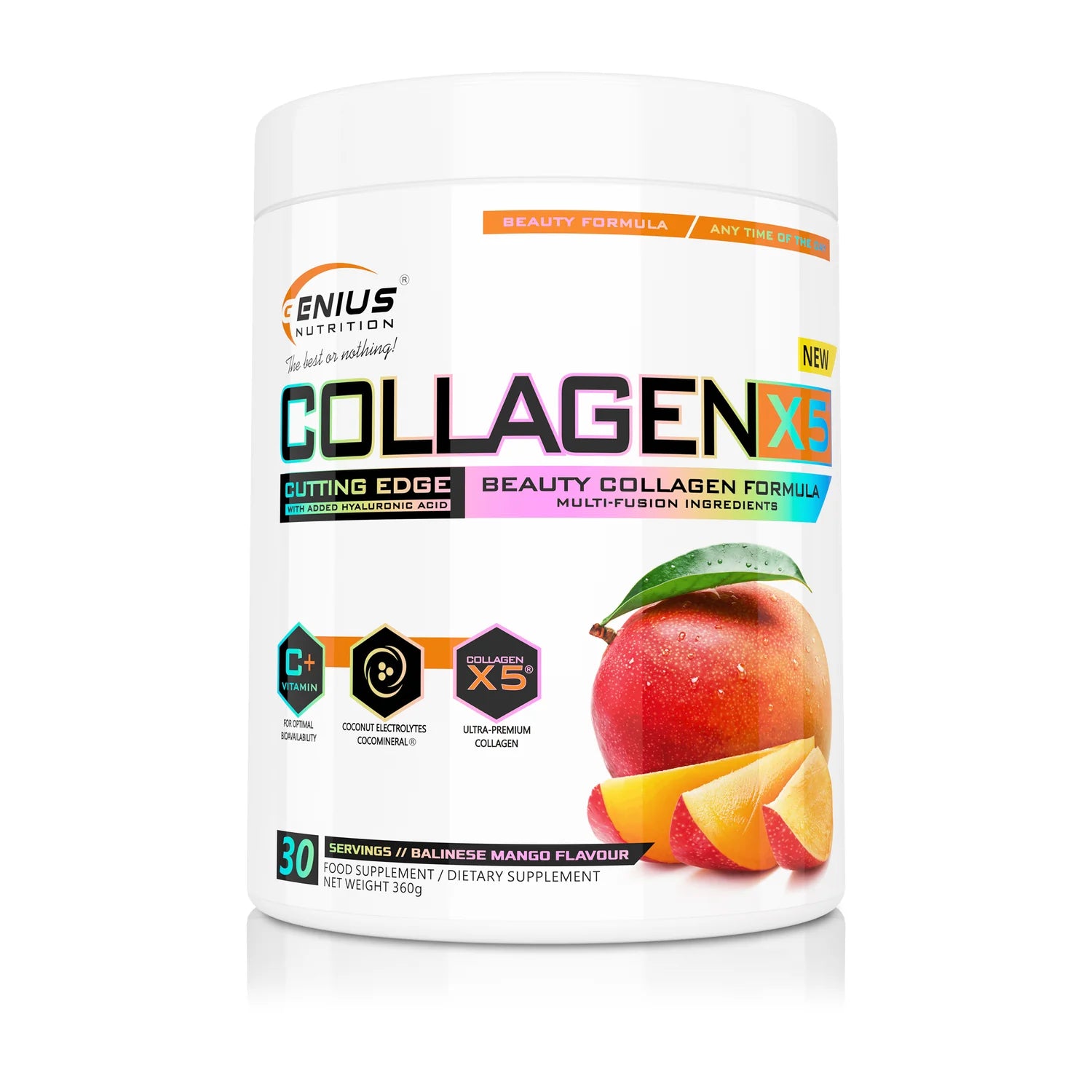
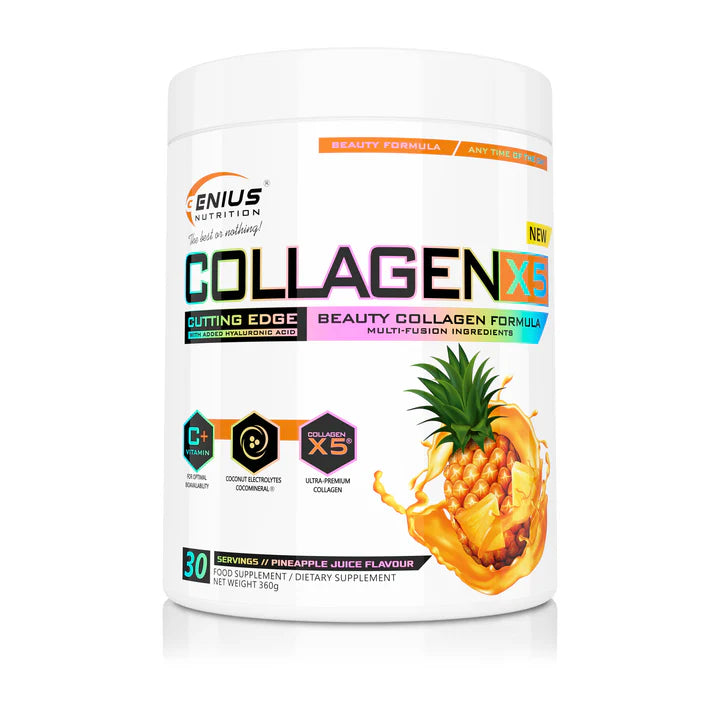
Genius Nutrition Collagen-X5 360g

Genius Nutrition

Collagen and hyaluronic acid

Genius Nutrition Collagen-X5 360g

Regular price €28,99
Sale price €28,99 Regular price €34,99
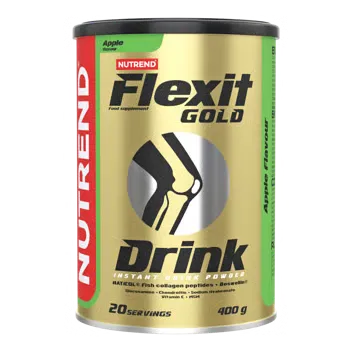
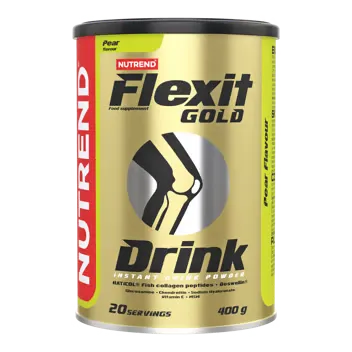
Nutrend Flexit Drink 400g

Nutrend

Joint supplements

Nutrend Flexit Drink 400g

Regular price €13,99
Sale price €13,99 Regular price €19,99
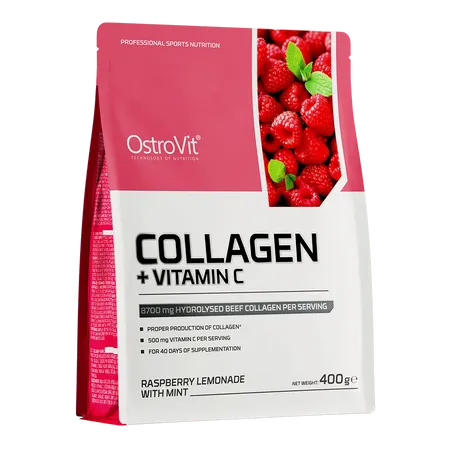
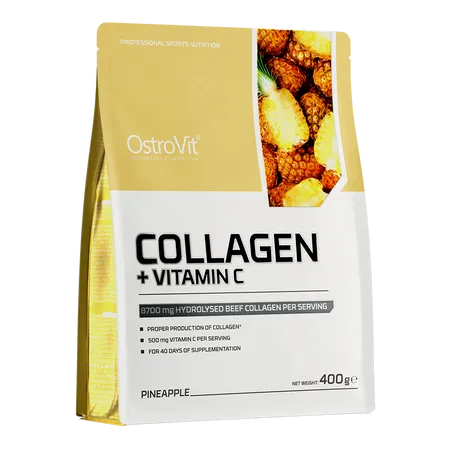
OstroVit Collagen + Vitamin C 400g

OstroVit

Hydrolyzed collagen

OstroVit Collagen + Vitamin C 400g

Regular price €16,99
Sale price €16,99 Regular price €21,99
Nutrend Flexit Gold 400g

Nutrend

Joint supplements

Nutrend Flexit Gold 400g

Regular price €21,99
Sale price €21,99 Regular price €29,99
VPLab Nutrition Beauty Collagen Peptides 150g

VpLab

Collagen Peptides

VPLab Nutrition Beauty Collagen Peptides 150g

Regular price €16,99
Sale price €16,99 Regular price €24,99
ICONFIT Collagen + Vitamin C 300g

Iconfit

Health supplements

ICONFIT Collagen + Vitamin C 300g

Regular price €10,99
Sale price €10,99 Regular price €13,99
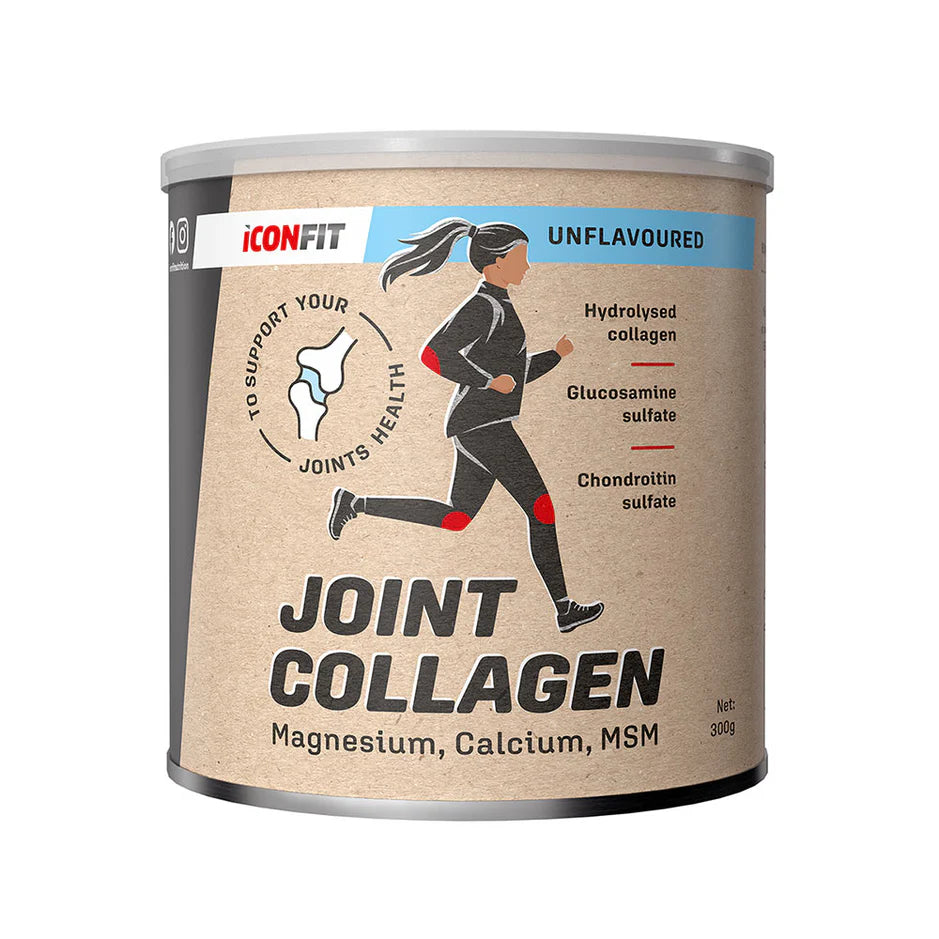
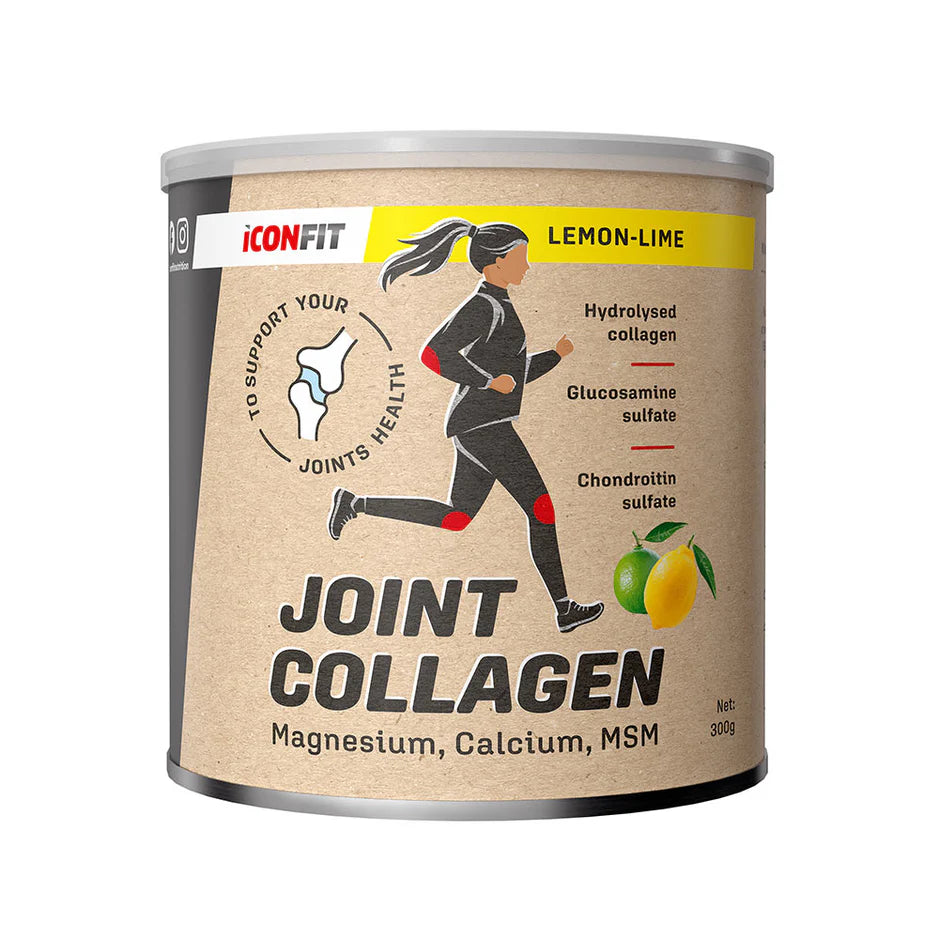
ICONFIT Joint Collagen 300g.

Iconfit

Joint supplements

ICONFIT Joint Collagen 300g.

Regular price €15,99
Sale price €15,99 Regular price €22,99
kolagenas-iconfit-odai-plaukams-nagams-be-skonio-300-g

Iconfit

Health supplements

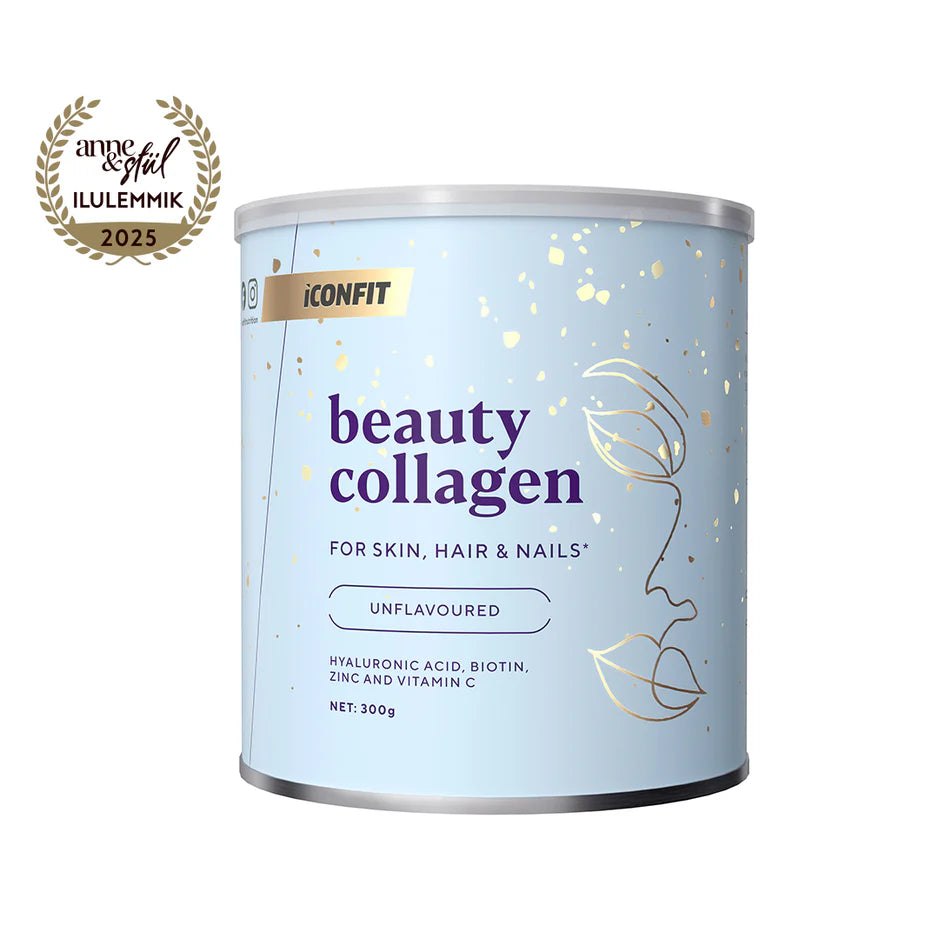
ICONFIT Beauty Collagen 300g.

Regular price €14,99
Sale price €14,99 Regular price €17,90
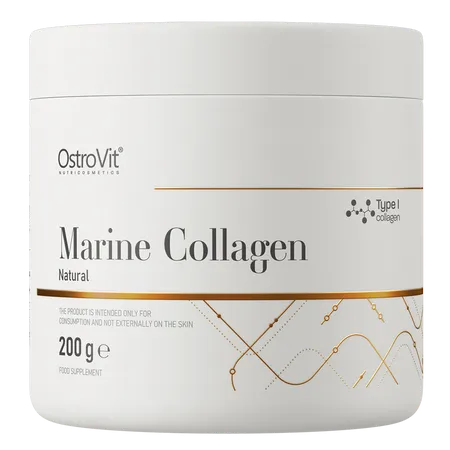
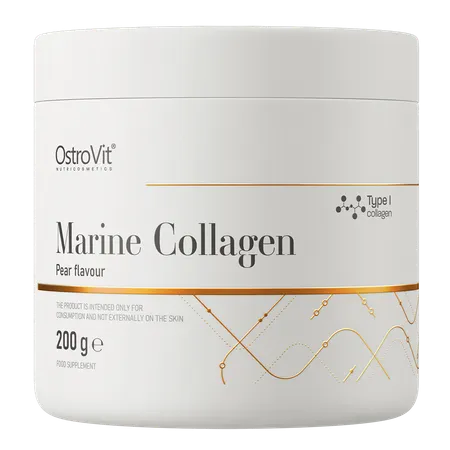
OstroVit Marine Collagen 200g

OstroVit

Marine collagen

OstroVit Marine Collagen 200g

Regular price €19,99
Sale price €19,99 Regular price €27,99
QNT LITE ENERGY & COLLAGEN 250ml
Sugar Free

QNT

Collagen Peptides

QNT LITE ENERGY & COLLAGEN 250ml

Regular price €2,49
Sale price €2,49 Regular price €2,49
Universal Animal Flex 348g

Animal

Joint supplements

Universal Animal Flex 348g

Regular price €44,99
Sale price €44,99 Regular price
Collagen

Collagen is a structural protein – meaning a protein that supports the structure of human tissues and organs. In other words, it is the building material of the body's connective tissue, making up to 30% of human protein mass. It is the most abundant protein in the human body, forming a large part of our skin, bones, tendons, ligaments, and muscles. Essentially, collagen provides our tissues with strength, structure, and elasticity, ensuring their proper function and resilience.

Unfortunately, from around the age of 30, collagen synthesis in the body begins to decrease, which affects skin elasticity and accelerates wrinkle formation.

Collagen production in the body

Our bodies have an excellent ability to produce collagen. During collagen synthesis, specialized cells called fibroblasts produce procollagen, which is then converted into collagen molecules. This synthesis process requires various nutrients and micronutrients, including vitamin C, zinc, and copper, to ensure optimal collagen production.

Collagen in food

Although our body naturally produces collagen, we can also obtain it from certain foods. Traditional dishes such as aspics or natural broths contain collagen, albeit in a partially hydrolyzed form.

Collagen can be extracted from various sources, including animals, fish, and even plants. Animal-derived collagen is typically obtained from cattle or pigs. It is widely used in food supplements and skincare products. Marine collagen, obtained from fish skin and scales, has gained popularity due to its smaller molecular size.

Depending on lifestyle and diet, the amount of collagen from food may be insufficient to meet our body's needs, so it may be necessary to either adjust lifestyle or take collagen supplements.

Habits that help maintain collagen levels

A balanced diet and a healthy lifestyle help maintain high collagen levels in the body for longer. Habits that will help preserve natural collagen:

- Limited exposure to direct sunlight if sunscreen is not used;

- Adequate sleep;

- Absence of stress. Stress affects cortisol levels in the body, which slows down natural collagen synthesis;

- Avoiding smoking (both active and passive).

Before taking food supplements, we always recommend improving your diet and lifestyle first, as this will yield the fastest results. If these are not enough, then choose appropriate collagen supplements.

Types of Collagen

The classification of collagen into types depends on its unique structural and functional properties. There are a total of 28 types of collagen. However, the most common are the first three types of collagen, which are simply called: type I, II, and III collagens.

- Type I: found in skin, bones, tendons, and ligaments.

- Type II: primarily found in cartilage. Necessary for flexibility.

- Type III: often found alongside type I collagen, especially in skin, blood vessels, and organs, supporting their structure and elasticity.

Type I collagen is the most common in the human body. It provides the most benefits for maintaining skin elasticity and beauty.

What is marine collagen?

Marine collagen is fish collagen, primarily derived from fish skin and scales. Marine collagen, with a smaller molecular size than animal-derived collagen, is believed to be absorbed more quickly by the body. It contains essential amino acids such as glycine, proline, and hydroxyproline, which are vital for collagen synthesis and skin health.

Which is better – marine or animal collagen?

At first glance, marine collagen seems better – its smaller molecular weight suggests it should be broken down and absorbed more quickly. In reality, the biggest difference lies in the composition – marine collagen usually contains only type I collagen, while animal collagen contains type I and type III collagens. So, if you only want collagen to strengthen your skin, hair, and bones, then marine collagen is suitable; if you also want to strengthen muscles, blood vessels, and organs, then choose animal-derived collagen.

Benefits of Collagen

Collagen is the most abundant protein in the human body, so its deficiency significantly affects many bodily functions.

Collagen for joints

Collagen plays a crucial role in maintaining the integrity and resilience of cartilage – the connective tissue that protects joints from friction between bones. As we age, collagen production naturally decreases, leading to joint stiffness and discomfort.

Collagen for skin

Collagen gives skin its youthful appearance – structure, firmness, and ensures hydration. Collagen forms the framework that supports the outer layer of the skin, called the dermis, and helps maintain its firmness and elasticity. However, as collagen production decreases with age, the skin begins to lose its firmness, leading to wrinkles, fine lines, and sagging.

Collagen for hair

Hair is primarily composed of a protein called keratin, the amount of which depends on adequate collagen levels for optimal hair growth and strength. Collagen peptides contain essential amino acids, which are the building blocks for keratin production, promoting healthier, shinier, and more elastic hair. Additionally, collagen supports the structural integrity of hair follicles, reducing breakage and promoting hair growth.

Collagen for muscles

Collagen, often called the "glue" that holds the body together, is more than just a structural protein. Collagen forms the connective tissue that surrounds muscle fibers, providing support and structure. Furthermore, collagen contributes to muscle flexibility, ensuring smooth and coordinated movements.

As we age, collagen production decreases, leading to a loss of muscle mass and strength. Adequate collagen intake can help counteract this age-related decline, promoting muscle repair and growth.

Collagen contains many necessary amino acids: particularly high levels of glycine, proline, and arginine, which support muscle protein synthesis and improve recovery from exercise-induced muscle damage.

Collagen for blood vessels

Collagen is essential for strong blood vessels: it provides structure to arterial walls, ensuring they remain strong, flexible, and resistant to damage.

As we age, arteries lose their elasticity, increasing the risk of hypertension, heart disease, and stroke. A study published in the Journal of Atherosclerosis and Thrombosis found that six months of daily collagen tripeptide supplementation improved arterial stiffness in healthy adults, suggesting a potential role in preventing cardiovascular diseases.

Who needs collagen

Collagen, often called the "fountain of youth," is not only for those seeking beauty. While it undoubtedly contributes to radiant skin, strong nails, and lustrous hair, its benefits extend far beyond aesthetics.

Collagen for athletes

For athletes and fitness enthusiasts, collagen can help maintain healthy joints for longer. The repetitive stress on joints experienced during training can weaken the joint over time, potentially leading to injuries. Collagen supports joint health and promotes cartilage regeneration, making it an important protein for athletes.

By supplementing their diet with collagen, athletes can improve joint flexibility, reduce inflammation, and promote faster healing of ligaments and tendons. Collagen will also help maintain muscle tissue and stronger blood vessels.

Collagen for women

For women, especially those approaching menopause or experiencing hormonal changes, collagen supplementation can be highly beneficial. As estrogen levels decline with age, so does collagen production, leading to visible signs of aging such as wrinkles, skin sagging, and loss of elasticity.

Collagen is important not only for aesthetic reasons. Collagen supports bone health, which is especially important for women at risk of osteoporosis. Regardless of age, collagen can help you feel and look good at every stage of life.

Collagen for injury prevention

Prevention is always better than cure, especially when it comes to injuries. Collagen's role in strengthening connective tissues, such as tendons, ligaments, and cartilage, is a fundamental component of any injury prevention strategy.

Collagen can help reduce the risk of sprains, strains, and other sports-related injuries. Whether you're an athlete pushing your limits or simply leading an active lifestyle, adequate collagen intake can provide an extra layer of protection against injuries.

Collagen supplements

Not all collagen supplements are created equal. Collagen from different sources (marine or bovine) and with different additives will have different effects. Understanding the composition of food supplements can help you make informed decisions that best suit your needs.

Hydrolyzed collagen

Hydrolyzed collagen is essentially collagen that has been broken down into smaller, more easily digestible molecules. As is known, collagen is a protein, and proteins are made up of amino acids. However, in the human body, collagen is not immediately broken down into amino acids – it is first broken down into peptides (amino acid compounds).

Collagen peptides, also known as hydrolyzed collagen, are the most common form of collagen found in supplements. These are collagen proteins that are broken down into smaller peptides through hydrolysis. This allows the body to absorb and utilize them more easily, ensuring maximum benefits.

This form of collagen is valued for its bioavailability, meaning it can be easily absorbed by the body and used where it is most needed, such as in the skin, joints, and bones.

Collagen with hyaluronic acid

Hyaluronic acid is a naturally occurring substance in the body, known for its ability to retain moisture. When combined with collagen in supplements, hyaluronic acid can enhance skin hydration and elasticity, leading to more youthful-looking skin.

Collagen with vitamin C

Vitamin C plays a crucial role in collagen synthesis, helping the body convert procollagen into collagen. Collagen supplements containing vitamin C can enhance the body's ability to synthesize collagen. Vitamin C is not an essential ingredient in collagen supplements if you get enough of this vitamin from food or multivitamins.

Collagen with enzymes

Some collagen supplements contain enzymes, such as bromelain or papain, which are known for their anti-inflammatory properties. These enzymes can help improve digestion and collagen absorption, as well as reduce inflammation in the body, especially in the joints.

Other collagen supplement additives

Collagen supplements may also contain additional additives to enhance their effectiveness. For example, lecithin is often added to improve emulsification and absorption. Magnesium and silicon can support bone health, while glucosamine can further promote joint mobility and flexibility.

The composition of collagen supplements can vary greatly, and each ingredient serves a specific purpose. Whether you want to improve skin health, support joint function, or overall well-being, understanding the components of collagen supplements can help you choose the right supplement for your goals.

Forms of collagen supplements

Collagen powder. One of the most common forms of collagen supplements is collagen powder. Collagen powder usually comes with a scoop to measure the recommended dose. The serving size may vary depending on the collagen brand and type. The packaging usually contains 150 to 500 grams net weight; this amount should be sufficient for a month or more, depending on consumption.

Liquid collagen. This is a convenient option. It is usually supplied in pre-dosed ampoules or bottles.

Which is better: liquid or powder?

Both liquid and powder forms have their advantages, so the choice ultimately depends on your needs:

Price. Per serving, collagen powder is generally more cost-effective than liquid collagen.

Shelf life. Collagen powder typically has a longer shelf life than liquid collagen, making it a more convenient choice for those who want less hassle with supplement expiration.

Easy dosing. Liquid collagen vials are convenient for on-the-go consumption, making them perfect for busy individuals or travelers.

Collagen consumption

With various forms and dosing options, it's crucial to understand how to effectively consume collagen to maximize its benefits.

When to take collagen

The timing of collagen consumption can vary depending on individual needs and goals. It doesn't matter when you consume collagen – morning or evening. It's important that if you take supplements, you take them systematically and according to the manufacturer's instructions.

At what age to start taking collagen

Although collagen production naturally declines with age, there is no specific limit for collagen supplement use. Some people may choose to take collagen supplements in their twenties to support skin health and overall body condition.

Collagen dosage

The recommended dosage of collagen can vary depending on factors such as age, weight, and individual health goals. It is best to follow the manufacturer's dosing instructions or consult our consultants.

What is needed for better collagen absorption?

First of all – maintain a healthy lifestyle, a proper rest regimen, and a balanced diet. This will yield the quickest results for your health, beauty, and well-being.

Secondly, consume enough protein. Collagen is a protein that is broken down in the body into peptides and amino acids. If you consume too little protein, collagen in the body will be broken down into amino acids, which will be used where needed (for example, for muscle mass recovery), and not where you want it (for example, to strengthen joints or skin).

Vitamin C, obtained from food or as a food additive, and adequate water intake are also important for collagen absorption.

Collagen price

The price of collagen depends on several factors. First, on the composition: the purer the composition (i.e., with fewer undesirable ingredients), the more expensive it will be. Some additives can also increase the price, for example, hyaluronic acid.

Secondly, the larger the package, the lower the price per serving. If you want to save money, choose larger packages.

Thirdly, we are constantly looking for better options for you. When we find them, we buy in larger quantities to get discounts from manufacturers, and this way we can offer you lower prices for food supplements. So follow our promotions to buy your desired products cheaper.