Skip to content

Free shipping on orders over €79

Protein Calculator

Please fill in all fields.

How to reach your daily protein intake?

Chickpeas Chickpeas
100g contains
7g of protein
White fish White fish
100g contains
18g of protein
Pancakes Pancakes
100g contains
37g of protein
Processed cheese Processed cheese
100g contains
25g of protein
Greek yogurt Greek yogurt
100g contains
7g of protein
Spanish sage (Chia) seeds Spanish sage (Chia) seeds
100g contains
21g of protein
Beef steak Beef steak
100g contains
21g of protein
Pork Pork
100g contains
20g of protein
Cheese Sticks Cheese Sticks
100g contains
27g of protein
Tofu cheese Tofu cheese
100g contains
15g of protein
Tuna Tuna
100g contains
23g of protein
Canned tuna Canned tuna
100g contains
25g of protein
Curd Curd
100g contains
18g of protein
Chicken breast Chicken breast
100g contains
22g of protein

FAQ

Why is it important to know your protein needs?

Proteins are made up of amino acids that are involved in almost all processes in the body. They help build muscle, support immune system functions, and participate in the synthesis of hormones and enzymes. Without a sufficient amount of protein, the body could not properly recover after physical exertion or illness.

What happens when there is a lack of protein?

Protein deficiency can lead to a decrease in muscle mass, fatigue, weakened immunity, and slower recovery. Over time, hair loss, skin, and nail problems may occur. For athletes, a lack of protein means stalled progress and a higher risk of injury.

Risks of excess protein intake

Although protein is essential, an excess of it is not needed by the body. If more is consumed than necessary, protein is used as an energy source or stored as fat. For healthy individuals, this is usually harmless, but it is always important to match protein intake to your needs.

What does protein requirement depend on?

  • Body weight and composition. The more muscle mass you have, the more protein you need daily. A higher amount is recommended for individuals with a larger build than for those with a smaller build.
  • Physical activity. People who actively exercise or do physical labor experience more muscle micro-tears, so their bodies need more protein for muscles to recover faster.
  • Age and gender. For young people whose bodies are still growing, the protein requirement is higher. In older age, protein is particularly important for maintaining muscle mass and preventing sarcopenia. Standards for women and men may differ slightly due to different body compositions.
  • Goals – muscle building, weight loss, health maintenance. If your goal is to build muscle, you need more protein than for maintaining health. When losing weight, protein helps you feel full and protects muscle mass during a calorie deficit.

How to use the protein calculator?

  1. Enter your body weight.
  2. Specify age and gender.
  3. Select your physical activity level.
  4. Mark your goal – gain muscle, lose weight, or maintain health.
  5. Click "Calculate" and get the recommended amount of protein.

The calculator will help you find out how much protein you need per day and how to distribute it across meals or snacks.

Protein sources in the daily diet

Animal protein. Meat, fish, eggs, dairy products are complete sources of protein, containing all essential amino acids. They are great for the daily diet.
Plant-based protein. Soy, peas, beans, buckwheat, nuts, seeds are also good protein sources. Although their amino acid profile is sometimes incomplete, combining several products can ensure the full spectrum of required amino acids.
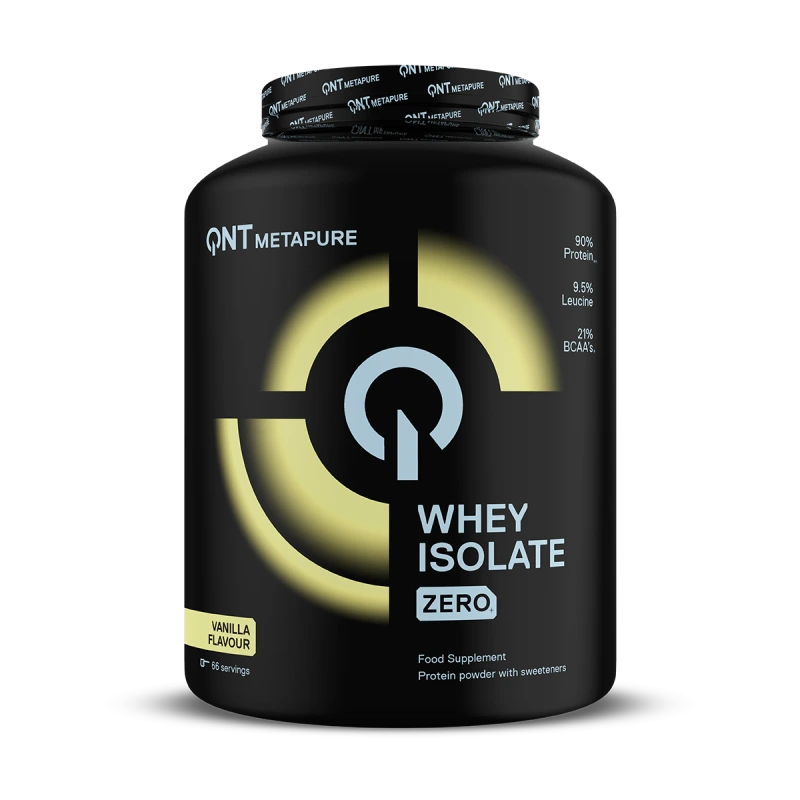
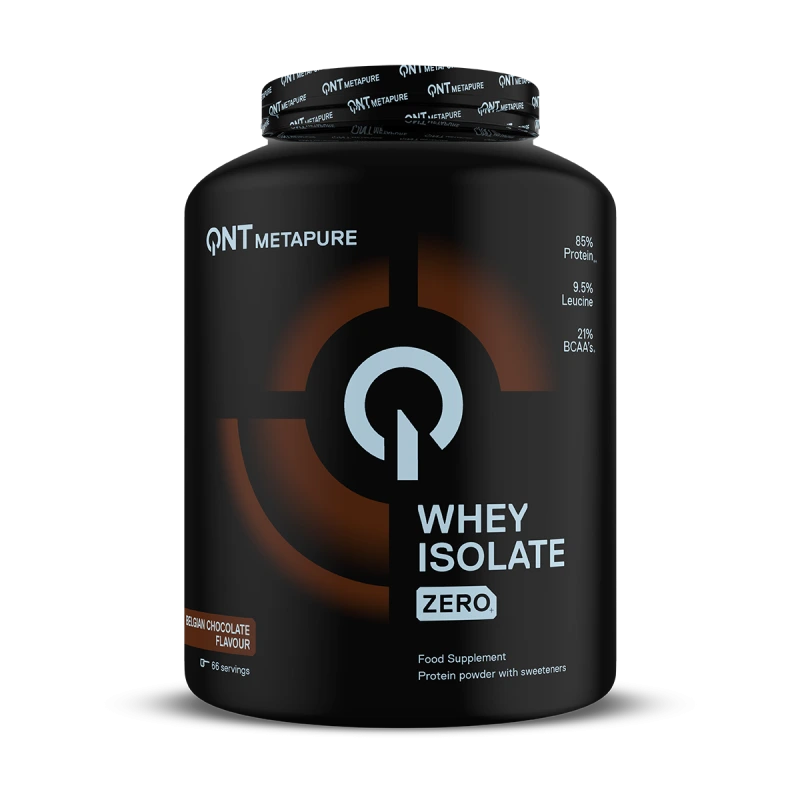
Protein supplements. Protein supplements are a quick and convenient way to ensure a sufficient amount of protein if it cannot be achieved with food. The most popular are whey, casein, plant-based, or beef protein. They help reach the daily norm without much effort.