





Skip to content

Free shipping on orders over €79

Chrome

Chromium is a trace element that our body needs in very small amounts, but it is significant in metabolism. Chromium supplements are popular among those who want to better control blood sugar levels, reduce sugar cravings, or support weight management.

Compare (0/5)

2 products

Swanson Chromium Picolinate 200mcg 100 Capsules

Swanson

Chrome

Swanson Chromium Picolinate 200mcg 100 Capsules

Regular price €6,99
Sale price €6,99 Regular price €8,99
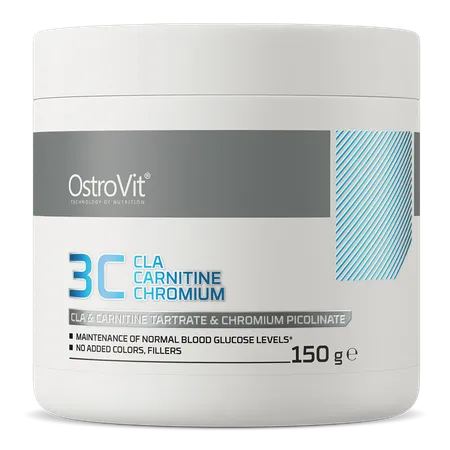
OstroVit 3C (CLA, Carnitine, Chromium) 150g

OstroVit

Fat burners

OstroVit 3C (CLA, Carnitine, Chromium) 150g

Regular price €15,99
Sale price €15,99 Regular price

What is chromium?

Chromium is a chemical element that exists in nature in several forms. Trivalent chromium (Cr³⁺) is important for the human body—it is a natural trace element found in small amounts in food. This is the form used in dietary supplements and is considered an essential nutrient.

This form of chromium helps support the action of insulin (a hormone responsible for the absorption of glucose into cells) and is involved in the metabolism of proteins, fats, and carbohydrates.

Natural sources of chromium

Chromium is found in a variety of foods, although its levels are often low. The highest amounts are found in:

  • meat and poultry,
  • fish,
  • whole grain products,
  • nuts,
  • broccoli and potatoes,
  • green peas.

A typical diet provides about 20–40 µg of chromium per day, but absorption is low—only about 0.5–2%. Chromium supplements can be a convenient way to ensure an adequate intake of this trace element.

Forms of chromium in supplements

Chromium in supplements comes in several forms:

  • Chromium picolinate: the most popular form. Research shows it is one of the best absorbed. This specific form has been the subject of the most clinical studies.
  • Chromium nicotinate: a compound of chromium and niacin (vitamin B3). It is also well absorbed.
  • Chromium chloride: a simpler form with slightly poorer absorption.
  • Chromium from yeast: a natural form containing chromium along with other compounds.

In some places, you may encounter the term "GTF chromium" (GTF stands for glucose tolerance factor). This is a historical name; however, scientists currently do not confirm that such a complex exists in the body as a separate entity. Modern supplements rely on standard forms of chromium, most commonly picolinate.

What are the benefits of chromium?

Glucose control and insulin sensitivity

Chromium supports insulin activity and may help stabilize blood sugar levels. Some studies suggest that chromium supplements may reduce glycemic markers (fasting glucose or glycated hemoglobin HbA1c) in people with type 2 diabetes or those with insulin resistance.

Reducing cravings for sweets

One of the most popular reasons people choose chromium supplements is the desire to reduce cravings for sweets. Theoretically, a more stable blood glucose concentration can help avoid "sugar spikes" and the associated urge to snack.

Although there is not much scientific evidence regarding a direct reduction in cravings, in practice, consumers often notice this effect.

Weight loss

Does chromium help with weight loss? Scientific research indicates that when taking chromium picolinate, weight loss was about 0.5 kg over 8–24 weeks compared to a placebo. This means that chromium is not a potent fat burner but can be useful as an additional tool alongside diet and physical activity.

Lipid profile and heart health

Some studies indicate that chromium may slightly reduce "bad" LDL cholesterol levels and improve the lipid profile.

Safety and potential side effects

Trivalent chromium (Cr³⁺) is considered safe at standard doses. An upper tolerable limit has not been established, but supplements usually provide 200–400 µg per day. Some studies have used up to 1000 µg, but such doses should only be taken under the supervision of a specialist.

Potential side effects may include mild digestive discomfort, headache, and rarely, skin rashes.

People with liver or kidney disease should consult a doctor before using chromium supplements. Additionally, chromium may interact with some medications (e.g., insulin, metformin), so individuals with diabetes should consult their physician.

How to take chromium supplements?

  • Doses: typically 200–400 µg of chromium per day.
  • When to take: in the morning or with a meal, as this aids absorption.
  • How long to take: a course can last 8–12 weeks, after which it is worth evaluating the effect.
  • Combinations: chromium is often combined with other supplements such as berberine, fiber, green tea extract, or protein shakes for weight management.

Who might find chromium relevant?

Chromium is relevant for:

  • those wanting more stable blood sugar levels,
  • those who frequently feel cravings for sweets,
  • those aiming to support weight management in conjunction with diet and physical activity.

It is less relevant for those seeking fast and dramatic weight loss without lifestyle changes; it is also less relevant for healthy individuals who already get sufficient chromium from food.

How to choose a quality chromium supplement?

It is best to choose chromium picolinate, as it is the most well-researched form. A dose of 200 µg is usually sufficient. Very high doses should be avoided unless necessary.

Chromium is a trace element that has benefits for glucose control, reducing cravings for sweets, and potentially managing weight. Chromium supplements can be a good supportive tool along with a healthy diet and sufficient physical activity.