Skip to content

Free shipping on orders over €79

Glutamine

Glutamine is an important amino acid that helps with muscle recovery, gut health, and immune system support.

Compare (0/5)

7 products

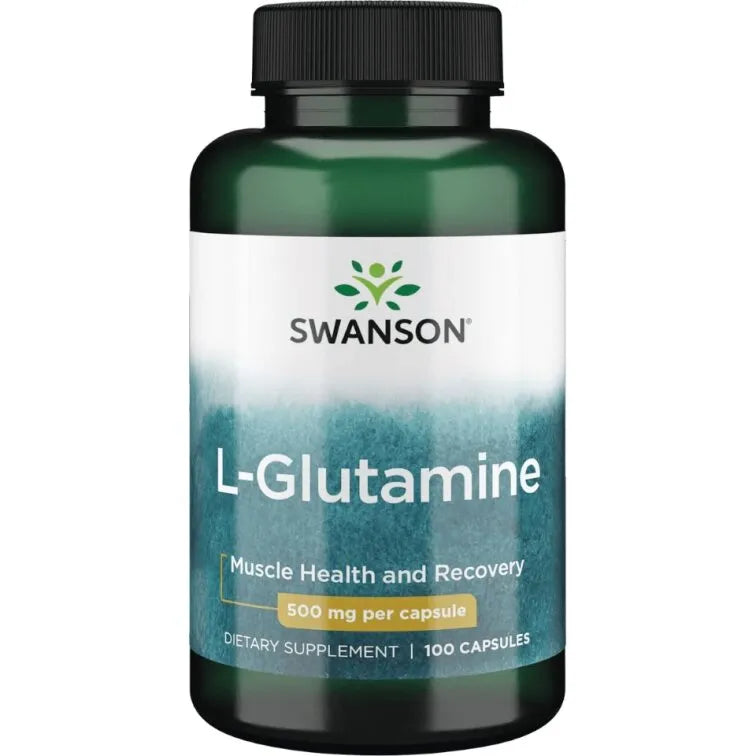
Swanson L-Glutamine 500mg 100 capsules

Swanson

L-Glutamine

Swanson L-Glutamine 500mg 100 capsules

Regular price €9,99
Sale price €9,99 Regular price €13,49
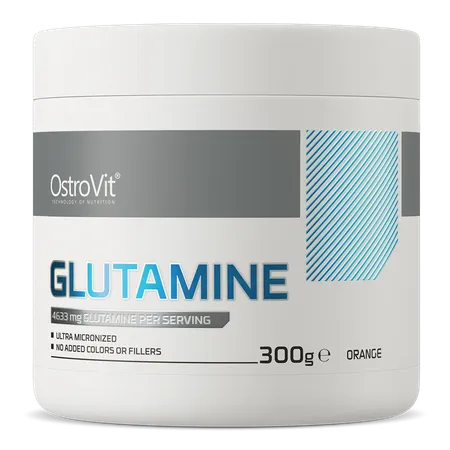
OstroVit Glutamine 300g

OstroVit

L-Glutamine

OstroVit Glutamine 300g

Regular price €10,99
Sale price €10,99 Regular price €13,99
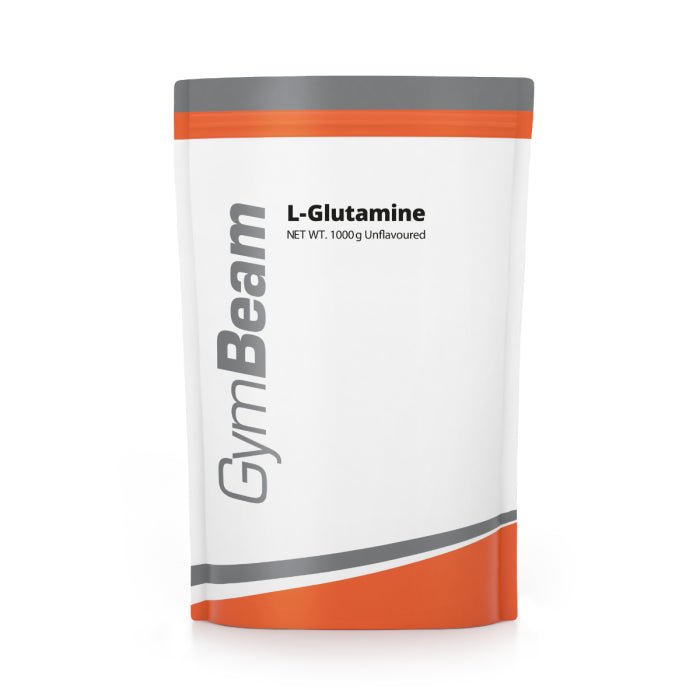
GymBeam L-Glutamine 1kg

GymBeam

L-Glutamine

GymBeam L-Glutamine 1kg

Regular price €33,99
Sale price €33,99 Regular price €37,99
GymBeam L-Glutamine 0.5kg

GymBeam

L-Glutamine

GymBeam L-Glutamine 0.5kg

Regular price €19,99
Sale price €19,99 Regular price €23,99
GymBeam L-Glutamine 250g
Top Pure

GymBeam

L-Glutamine

GymBeam L-Glutamine 250g

Regular price €9,99
Sale price €9,99 Regular price €15,99
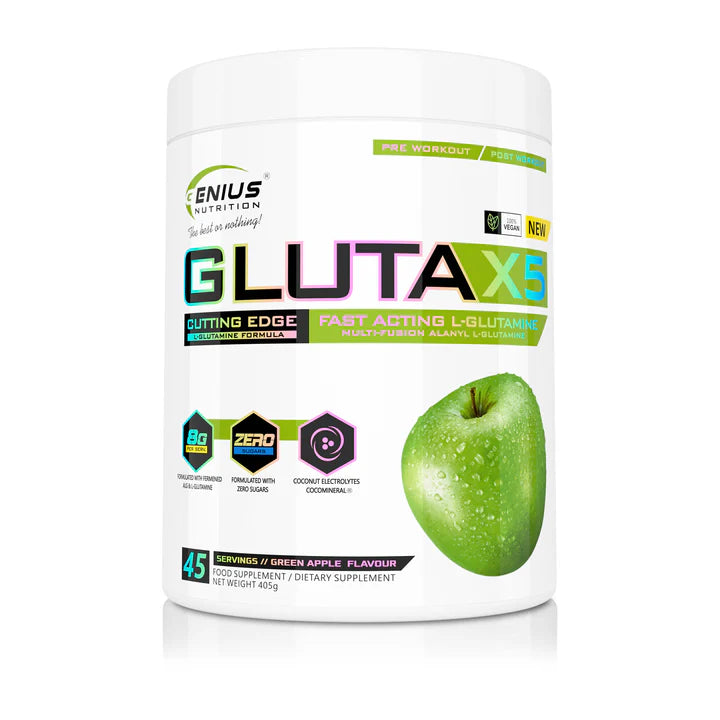
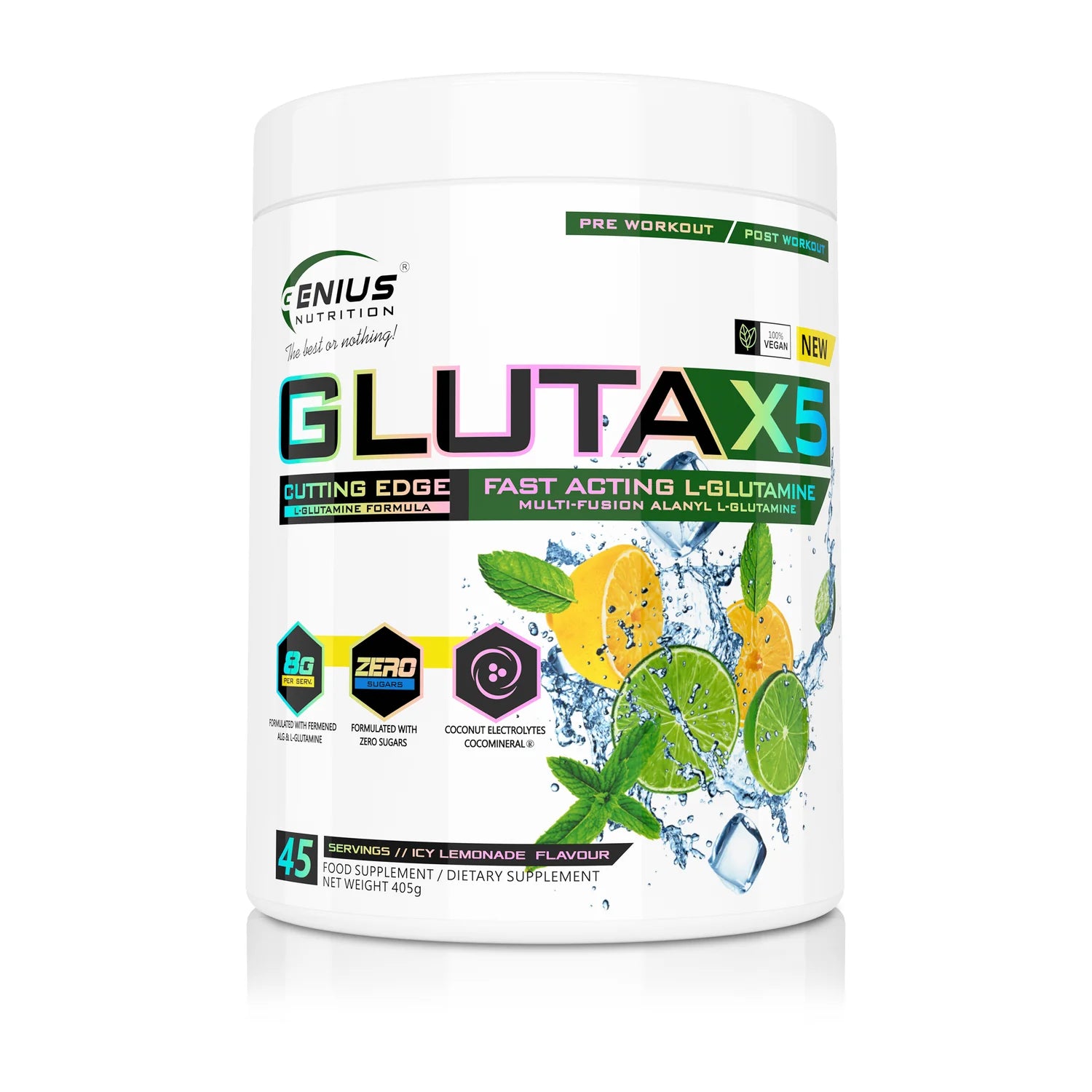
Genius Nutrition Gluta-X5 450g

Genius Nutrition

L-Glutamine

Genius Nutrition Gluta-X5 450g

Regular price €23,99
Sale price €23,99 Regular price €28,90
BiotechUSA BCAA+Glutamine Zero 480g

Biotech USA

BCAA

BiotechUSA BCAA+Glutamine Zero 480g

Regular price €33,90
Sale price €33,90 Regular price
What is Glutamine?

Amino acids are vital for our bodies: from muscle repair to immune system support. One such amino acid is L-glutamine.

Forms of Glutamine

Glutamine exists in two forms: L-glutamine and D-glutamine. Although chemically similar, they have different effects on the body:

D-glutamine: this form is less common and usually does not participate in human metabolic processes;

L-glutamine: this is the biologically active form that plays a crucial role in protein synthesis, immune system function, and gut health maintenance.

L-glutamine

In food supplements, usually only L-glutamine is found, which is often simply called glutamine. It is classified as a conditionally essential amino acid. Under normal conditions, your body produces enough glutamine to meet its needs. However, during periods of extreme stress, intense physical exertion, or illness, the demand for glutamine may exceed the body's ability to produce it or absorb it from food. In such cases, taking glutamine food supplements can be beneficial.

L-glutamine in Food

L-glutamine is found in many foods. Here's how you can ensure you get enough of this vital amino acid from your diet:

Meat: animal proteins are rich in L-glutamine. Beef, pork, and poultry are excellent sources of this amino acid. Including meat in your diet can significantly increase your glutamine intake.

Fish: fish such as salmon, cod, and tuna are not only high in protein but also rich in L-glutamine.

Dairy Products: milk, yogurt, ricotta cheese, and cottage cheese have higher amounts of glutamine.

Plant-Based Foods: for those on a plant-based diet, vegetables and nuts such as spinach, parsley, cabbage, beans, lentils, almonds, and peanuts are an excellent source of L-glutamine.

A varied and balanced diet including these foods can help maintain healthy glutamine levels, supporting your overall health and performance.

Benefits of L-glutamine

This amino acid is known for its positive effects on gut and immune health.

Glutamine's Impact on Gut Health

Gut health influences everything from nutrient absorption to immune function support. L-glutamine is particularly beneficial for maintaining and improving gut health.

L-glutamine is a primary energy source for intestinal epithelial cells, known as enterocytes. These cells rely on glutamine to function properly and maintain the integrity of the gut barrier. A strong gut barrier is essential to prevent harmful substances, such as toxins and pathogens, from entering the bloodstream.

Furthermore, L-glutamine helps reduce gut inflammation, which can be particularly beneficial for individuals suffering from conditions such as irritable bowel syndrome and inflammatory bowel disease. By supporting the gut lining and reducing inflammation, L-glutamine can help alleviate symptoms such as bloating, pain, and diarrhea.

Glutamine's Impact on Immune Health

Your immune system is your body's defense mechanism against infections and diseases, and L-glutamine plays an important role in supporting immune function. L-glutamine supports the proliferation of immune cells, including lymphocytes and macrophages, which are essential for a robust immune response. Additionally, it aids in the production of cytokines, proteins that mediate and regulate immunity and inflammation.

In certain situations, such as intense exercise or illness, your body's glutamine levels may decrease. By maintaining adequate glutamine levels, you can improve your body's ability to fight off infections and recover more quickly from illnesses. This is especially important for athletes and those experiencing significant physical stress, as their immune systems may be more vulnerable.

Which is Better: Glutamine or BCAA?

Both L-glutamine and branched-chain amino acids (BCAAs) are popular food supplements, but they are used for different purposes:

L-glutamine: suitable for maintaining gut health and immune function. It is especially beneficial during stress or illness when glutamine levels in the body are depleted. It also aids muscle recovery by reducing muscle soreness and improving glycogen replenishment after intense workouts.

BCAAs: leucine, isoleucine, and valine are involved in muscle protein synthesis. They help reduce muscle fatigue, increase endurance, and promote muscle growth.

L-glutamine and BCAAs can be taken separately or together, depending on your goals.

How to Use L-glutamine

Glutamine supplements come in various forms, the most common of which are:

Powder. Glutamine powder is one of the most popular forms of food supplements. It can be easily mixed with water, juice, or protein shakes, making it convenient for daily use. Glutamine powder is quickly absorbed by the body, making it an ideal choice for post-workout recovery or as needed.

Capsules / Tablets. Glutamine supplements are also available in capsule or tablet form, offering a convenient option for those who prefer a pre-measured dose. Capsules and tablets are easy to take on the go and can be integrated into your daily routine with minimal effort.

Additional Ingredients in Glutamine Supplements

Many L-glutamine supplements on the market contain additional ingredients that enhance its effectiveness or provide extra health benefits. Here are some common additives found in L-glutamine supplements:

Vitamins: some glutamine supplements may contain additional vitamins and minerals, such as vitamin B6.

Electrolytes: electrolytes such as sodium, potassium, and chloride are included in glutamine supplements to help replenish electrolyte levels lost through sweat during intense exercise.

Fibers and Amino Acids: some manufacturers enrich their products with fibers (inulin) and amino acids (taurine).

Glutamine Dosage

The optimal amount of glutamine depends on various factors, including your health goals and physical activity level. While there isn't a one-size-fits-all recommendation, here are some general guidelines to consider:

Daily Dose: supplement manufacturers recommend starting with a daily dose of 5–10 grams of L-glutamine, divided into two or three doses per day. Athletes or those training intensely may require higher doses to support muscle recovery and immune function.

Timing: the timing of glutamine intake can also affect its effectiveness. Many people choose to take glutamine supplements after a workout to promote faster recovery and reduce muscle soreness post-exercise. Others prefer to take supplements on an empty stomach for maximum absorption.

Apolono's Recommended L-glutamine

Pure glutamine (without additives) in powder form: GymBeam L-Glutamine

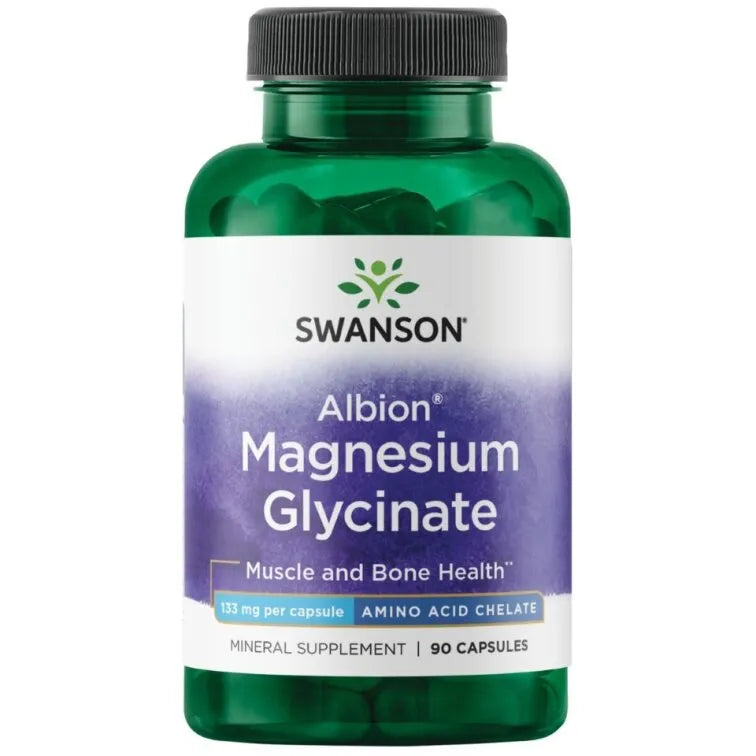
Pure glutamine in capsules: Swanson L-Glutamine

With fiber and electrolytes: Genius Nutrition Gluta-X5

With BCAA, creatine, and electrolytes: BiotechUSA After

With taurine and vitamin B6: Ostrovit Glutamine