



Many people believe that creatine is only for athletes. In reality, it is one of the most scientifically studied dietary supplements in the world, and its benefits extend far beyond the gym. In this article, you will learn how creatine affects your body and brain, who is particularly likely to lack it, and how to start taking it simply and safely.
Why Energy in Your Muscles and Brain Matters More Than You Think
Everyone knows the feeling of fatigue after an intense day. However, it is often caused by more than just a demanding workload or lack of sleep—the problem may lie deeper, at the level of cellular energy metabolism.
Your body is constantly producing and consuming energy. The “currency” of this energy is adenosine triphosphate, or ATP. The problem is that ATP stores are depleted within just a few seconds during intense physical effort. For the body to continue functioning, ATP must be rapidly replenished.
This is where creatine comes in. It is stored in the muscles as phosphocreatine and directly helps restore ATP stores—faster than any other natural compound. The more phosphocreatine your muscles contain, the longer you can maintain a high level of intensity.
And this is not just about muscles. Scientific research shows that brain cells are among the body’s largest energy consumers: although the brain accounts for only 2% of body weight, it uses up to a quarter of the body’s total energy. When the brain experiences energy stress due to fatigue, sleep deprivation, or intense mental effort, creatine becomes especially important.
How Creatine Deficiency Affects You Every Day
Creatine occurs naturally in the body and is also obtained through food. However, many people simply do not get enough to reach optimal levels.
One hundred grams of beef provides 2–5 grams of creatine. Even when eating a lot of meat, the amount obtained through food is usually insufficient to raise muscle stores to a level that would significantly improve physical or mental performance.
Certain groups are affected more than others.
Women have natural creatine stores that are typically 70–80% lower than those of men, and they also consume less creatine through food on average. This means that creatine supplementation may produce particularly noticeable effects in women.
Vegetarians and vegans face an even clearer problem: meat and fish are the main dietary sources of creatine. People who do not consume animal products often have lower baseline creatine concentrations in the body, so their response to supplementation tends to be stronger than that of meat eaters.
Older adults are another vulnerable group. As we age, natural creatine levels in the body decline, while muscle mass gradually begins to decrease—a condition known as sarcopenia. A decline in cognitive sharpness may occur alongside it.
Low creatine levels have also been associated with an increased risk of depression. Scientists suggest that improving the energy supply to neurons may support serotonin-system function and synaptic plasticity.
How to Take Creatine Step by Step—from Choosing a Product to Building a Daily Routine
Step 1 – Understand What Creatine Is and How It Works
Creatine is a natural organic compound with a structure similar to that of an amino acid. The body produces it in the liver, kidneys, and pancreas from amino acids, but the amount produced is often insufficient for optimal functioning.
Approximately 95% of all creatine in the body is stored in skeletal muscle. The body of an average 70-kilogram man contains around 120 grams of creatine. Supplementation can increase these stores to approximately 160 grams. The total concentration of creatine in the muscles may rise by 20–40%, directly improving physical performance.
The mechanism is simple: phosphocreatine in the muscles allows ATP to be replenished more quickly. More ATP means more repetitions, heavier weights, and the ability to maintain intensity for longer. The same logic applies to the brain: a better energy supply to neurons means improved concentration and memory, as well as faster reaction times.
Several forms of creatine are available on the market. Before choosing a product, it is worth understanding the differences.
Step 2 – Choose the Right Form of Creatine
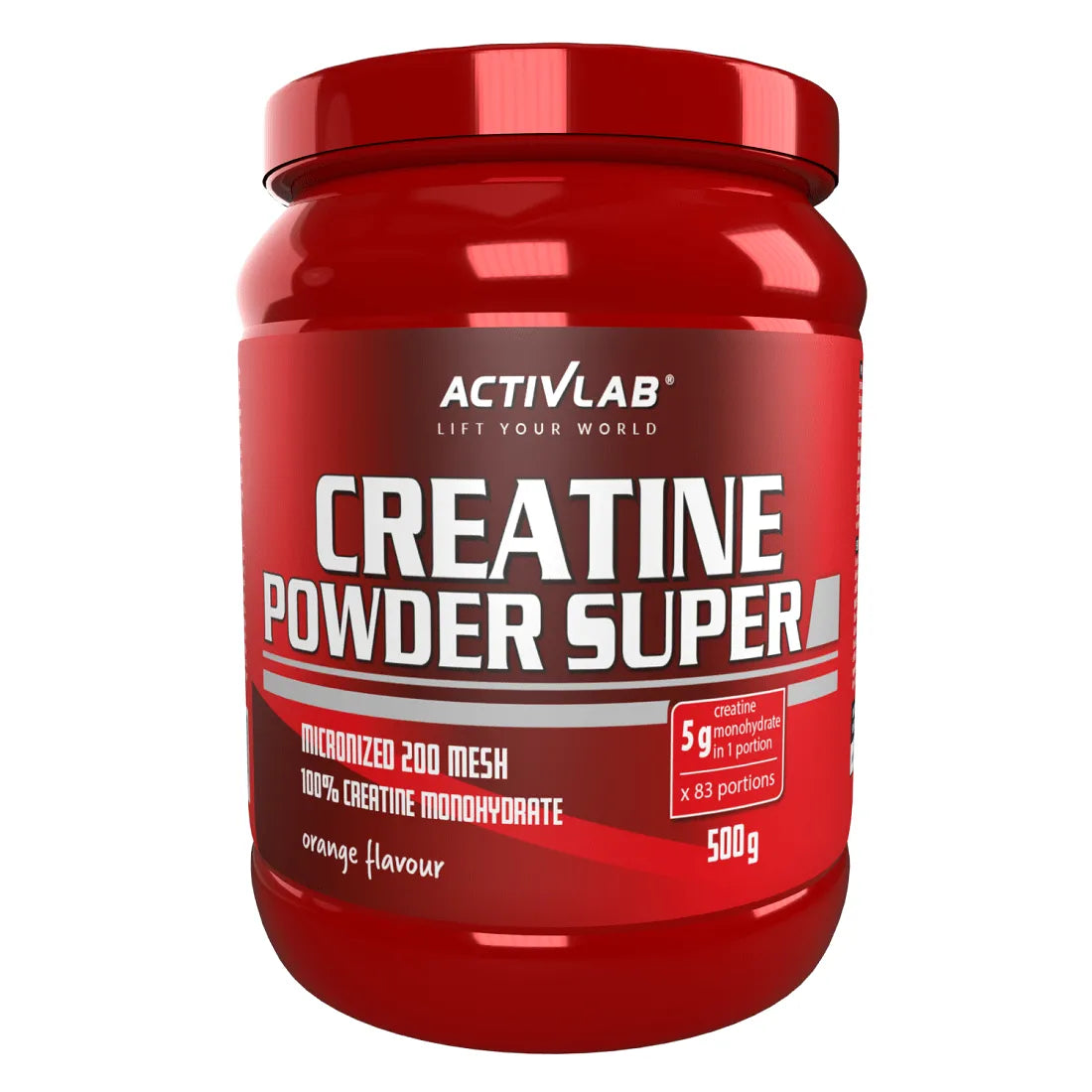
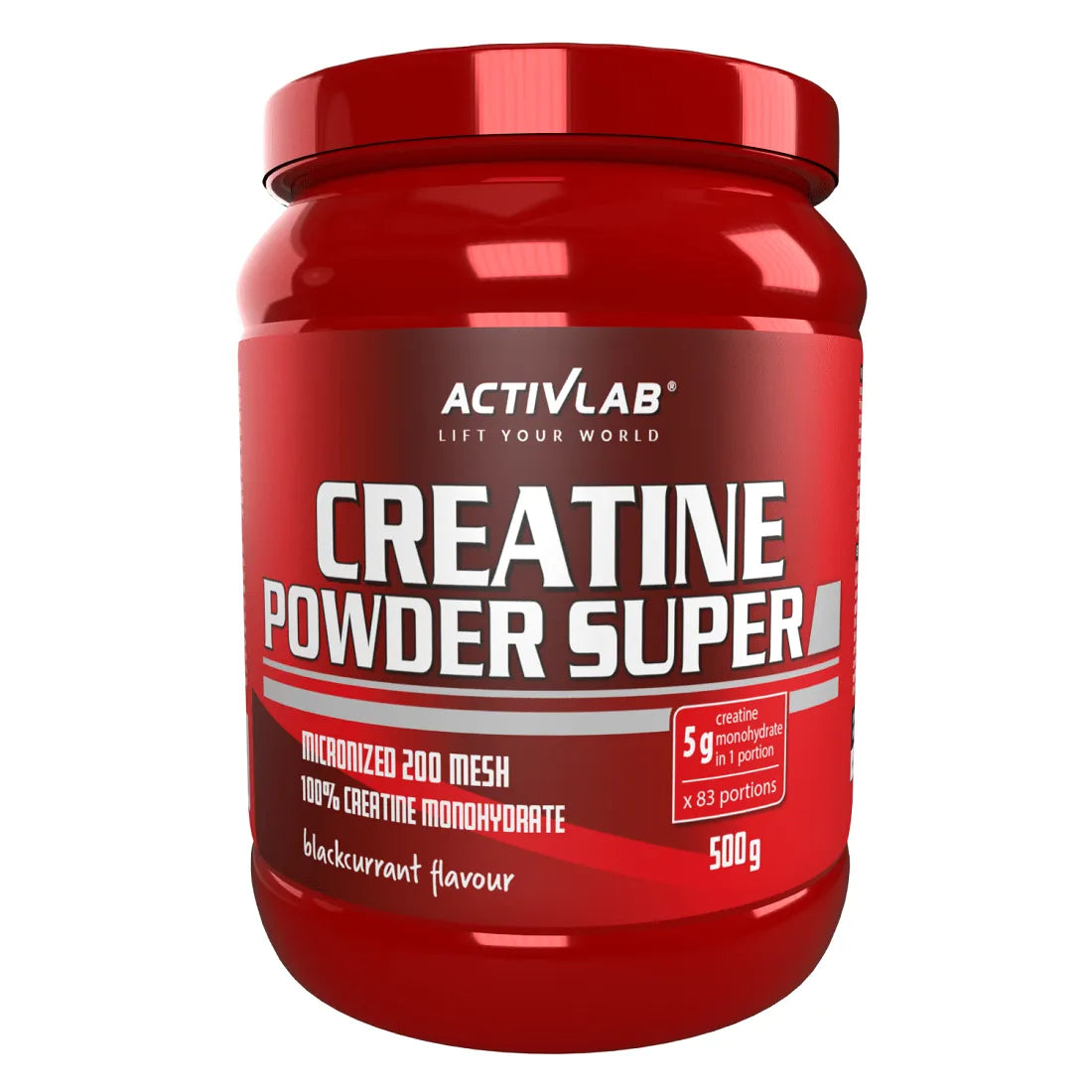
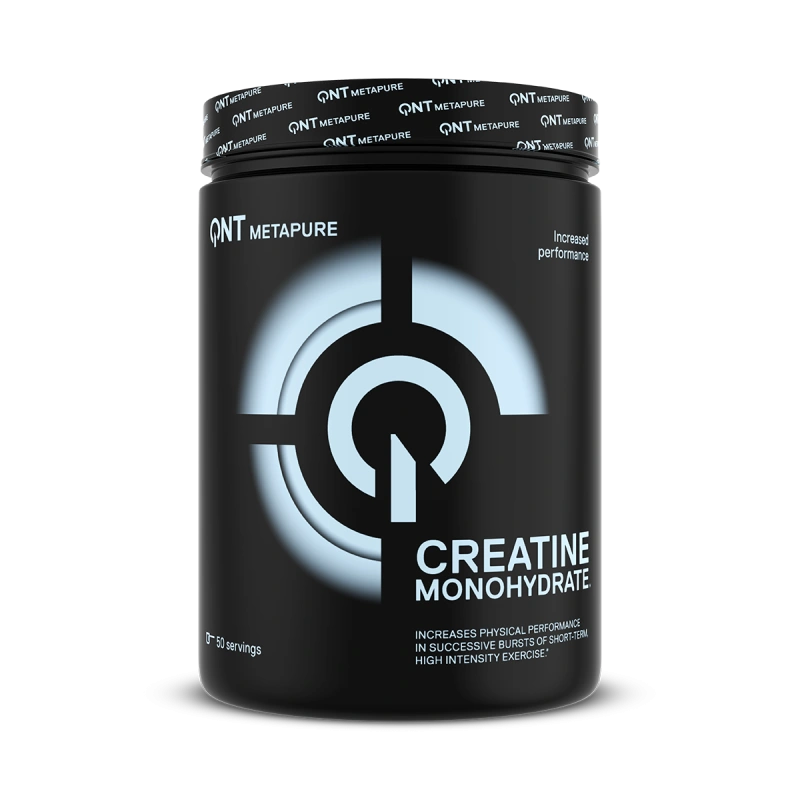
Creatine monohydrate is the simplest, least expensive, and most scientifically studied option. All beginners are advised to start with this form.
Other forms—including creatine hydrochloride (HCL), Kre-Alkalyn, and creatine ethyl ester—have not demonstrated any significant advantages over traditional monohydrate in terms of either effectiveness or safety. They are often more expensive without providing additional benefits.
When choosing a product, it is worth looking for the Creapure® certification. This indicates 99.9% pure creatine monohydrate manufactured in Germany according to strict quality standards. The certification name will be displayed on the label.
The form of the product can also be a practical consideration. Traditional powder can be dissolved in water or juice, making it the simplest option for most people. However, innovative alternatives are also appearing on the market. Creatine monohydrate gummies, such as BearGymmies®, are a convenient option for people who dislike the taste of powder or want to know exactly how much they are consuming. Both forms are equally effective—the only difference is convenience.
Step 3 – Decide on a Dosing Strategy
There are two main strategies, and both ultimately produce the same result.
With a loading phase: During the first 5–7 days, take approximately 20 grams per day, divided into four doses. After that, switch to a maintenance dose of 3–5 grams per day. This strategy allows the muscles to become saturated with creatine more quickly, so you may notice the effects sooner.
Without a loading phase: Start immediately with 3–5 grams per day. Creatine levels in the body will rise more slowly, but the same result will be achieved after several weeks.
The choice depends entirely on your goals and patience. To see changes more quickly, choose the loading phase. To prioritize simplicity, start with one teaspoon per day and maintain a consistent routine. The doses are universal and suitable for men, women, and older adults.
Step 4 – Choose the Right Time to Take It and What to Drink It With
Research does not show that any one particular time is clearly superior for taking creatine. Consistency is more important than the exact time of day.
Creatine is recommended with water or fast-acting carbohydrates, such as fruit juice, as this may improve absorption. The simplest method is to dissolve one teaspoon of powder in a glass of water or juice and take it at the same time every day.
One important warning: caffeine may reduce creatine absorption. It may therefore be better not to consume them at the same time and to separate them by at least a few hours. This is particularly relevant for people who begin their morning with coffee and immediately take their supplements.
Step 5 – Know What to Expect and When
During the first 1–2 weeks, the muscles begin storing more phosphocreatine and water. This is known as cellular hydration. You may experience a slight increase in body weight due to water being stored in the muscles. This is normal and does not indicate fat gain.
By weeks 3–4, you may begin to notice greater strength and endurance. Magnetic resonance studies show that creatine levels in the brain also increase after 3–4 weeks of supplementation.
The longer-term data are impressive. Both short-term and long-term studies have found increases in strength and endurance ranging from 5% to 15%. In some studies assessing maximal-load bench-press performance, endurance and power increased by 3–45%, depending on the type of exercise. Combining a training program with creatine supplementation may increase maximal strength by 8–14% compared with a placebo.
Cognitive effects have also been documented. Research shows that vegetarians who took 5 grams of creatine per day for six weeks improved their working memory and logical reasoning.
Step 6 – Dispel the Most Common Myths and Understand Safety
Many misconceptions circulate about creatine. It is worth clearing them up once and for all.
Myth: Creatine damages the kidneys. This is one of the most widespread and least substantiated myths. Creatine and creatinine are different compounds. An increase in urinary creatinine levels after taking creatine is normal and does not indicate kidney damage. A broad range of studies has confirmed that creatine taken at recommended doses does not negatively affect kidney health in healthy adults.
Myth: Creatine is a steroid. Creatine is a natural compound produced by the body and found in food. Its use is legal, it has no hormonal effects, and it has nothing in common with anabolic steroids.
Myth: Creatine is only suitable for men and athletes. The data show the opposite. Creatine is equally effective for women, older adults, vegetarians, and even people who do not exercise but want greater mental clarity or less fatigue.
Do you need to take breaks? Long-term observations lasting a year or longer have shown no decline in effectiveness and no harmful effects. Breaks are unnecessary—creatine can be taken continuously at a consistent daily dose of 3–5 grams.
There is one genuine contraindication: people who already have kidney disease should consult a doctor before beginning supplementation. When choosing a product in Lithuania, it is also worth checking whether the supplement has been registered on the list maintained by the State Food and Veterinary Service.
Step 7 – Understand Who May Benefit Most from Creatine
Although creatine is beneficial for almost everyone, certain groups may benefit from it particularly strongly.
Vegetarians and vegans respond more strongly to creatine supplements than people who eat meat because their baseline creatine concentrations are lower. Improvements in both cognitive and physical performance have been clearly documented in this group.
Women may benefit in several ways at once: increased strength, improved bone density—as confirmed by a two-year study—and higher energy levels. A 2025 meta-analysis confirmed that creatine has a significant effect on physical function in older women. These effects are especially relevant during menopause, when both muscle mass and bone density naturally decline.
People over the age of 50–60 may experience several positive changes. Creatine can help slow sarcopenia, support cognitive function, and improve reaction speed and concentration. Its potential benefits in treating or alleviating diabetes and osteoporosis are also currently being studied.
People who perform mentally demanding work or do not get enough sleep have strong reasons to consider creatine. Research shows that people who slept for only a few hours and took creatine performed better on attention and rapid-response tasks. Creatine may therefore partially compensate for the negative effects of sleep deprivation.
People who exercise are probably already familiar with this supplement. Increased strength, faster recovery between workouts, and the ability to maintain intensity for longer have all been supported by more than 10,000 scientific articles published from 1912 to the present day.
Creatine Is Not Just for Athletes—It Is for Anyone Who Values Energy
Creatine is a natural, well-studied compound, and insufficient levels can affect both physical and mental resources. The chain of benefits is clear: more creatine in the muscles and brain allows ATP to be replenished more quickly, providing more energy, strength, and concentration in everyday life.
For women, vegetarians, people over the age of fifty, or anyone who simply feels their energy declining day after day, creatine is one of the simplest and most evidence-based steps available.
Start with a high-quality creatine monohydrate: 3–5 grams per day, taken consistently with water or juice. For those who want a convenient option without powder, BearGymmies® creatine monohydrate gummies provide a precisely dosed and simple addition to a daily routine.
Observe how your energy, productivity, and physical performance change after several weeks.