



Articles
Articles

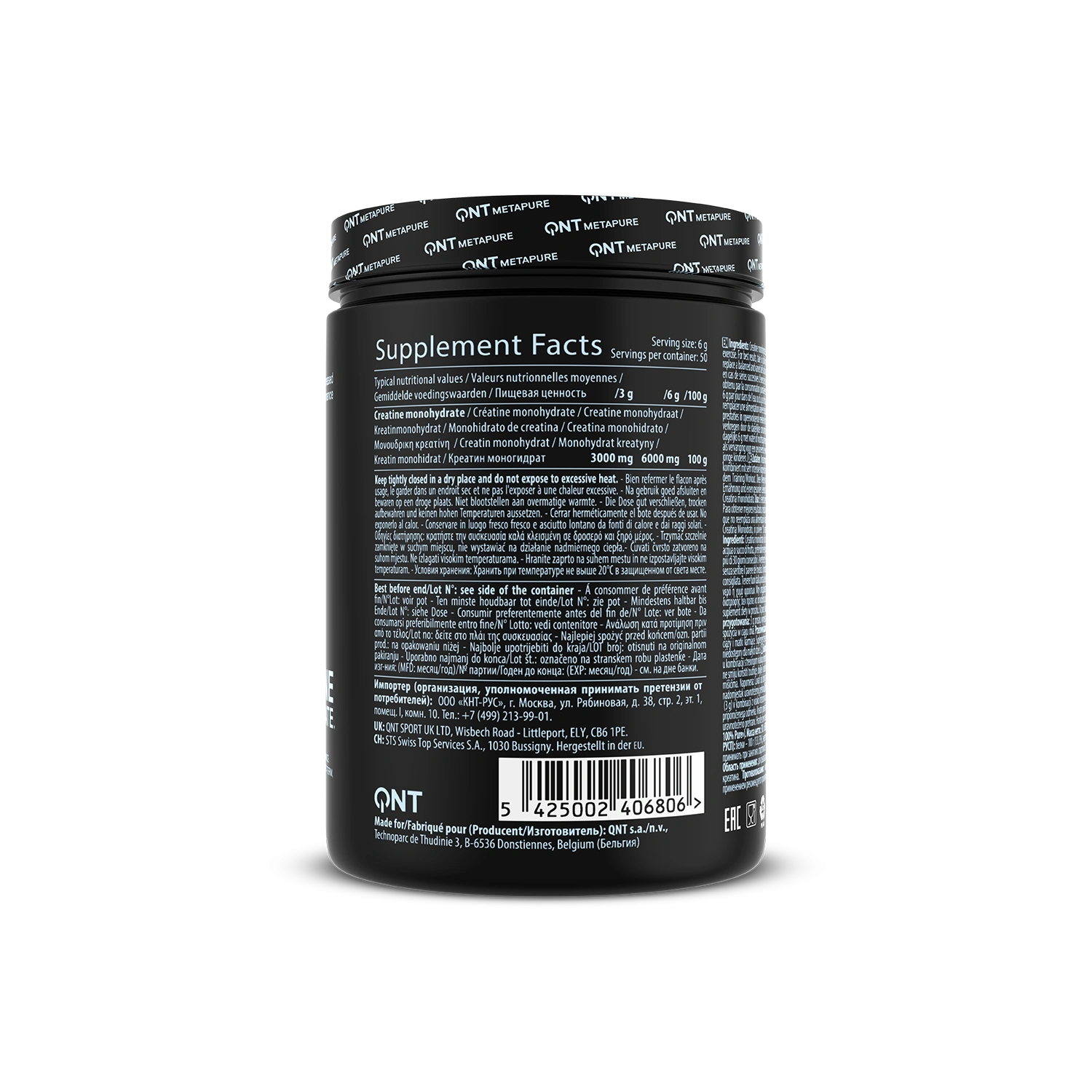
Creatine: What It Is and Why Your Body Really Needs It
Creatine isn't just a supplement for athletes—it's also an important source of energy for the body and brain. Find out how it benefits each of us and how to use it safely and easily every day.

The importance of sleep and supplements for improving sleep
Sleep is important for human health. Failing to get enough sleep or not dedicating enough time to quality sleep can increase the risk of chronic diseases, obesity, and metabolic syndrome. Lack of sleep negatively affects the production of ghrelin and leptin, which can increase hunger and make a person prone to overeating calorie-dense foods. Furthermore, lack of sleep negatively impacts concentration, alertness, memory, and recovery after physical exertion, and it increases the risk of depression and colds. Conversely, a good sleep routine improves general well-being, concentration, and memory, helps preserve more muscle mass while losing weight, and improves physical performance in the gym as well as insulin sensitivity. Following a diet can lead to poorer sleep quality. To improve sleep quality, you could consider taking the following supplements: 1. Theanine (theanine is found in tea). Theanine helps the mind, reduces anxiety, and helps improve sleep quality; 2. Valerian (a medicinal plant). Valerian supplements can be useful for improving sleep quality; you should take a dose of about 450 mg an hour before bed (effects should appear after 6-8 weeks); 3. GABA (gamma-aminobutyric acid). GABA is a relaxation-promoting and anti-anxiety supplement that can improve sleep quality (you could take about 500 mg an hour before bed); 4. Magnesium and zinc. Magnesium can help reduce feelings of tiredness and fatigue and have a calming effect (depending on the form of magnesium); zinc can help maintain normal testosterone levels in the blood, macronutrient metabolism, etc.; 5. 5-HTP (a combination of the amino acid tryptophan). In the brain, 5-HTP converts into the chemical serotonin. Serotonin levels decrease while dieting, and lower serotonin levels during a diet contribute to mood swings, increased carbohydrate cravings, and greater hunger. 5-HTP can improve sleep quality and help with weight loss; 6. Melatonin (melatonin is a neurohormone secreted by the pineal gland in the brain). Light inhibits melatonin synthesis. Using melatonin can help normalize irregular sleep. Melatonin can help you fall asleep and is useful for people who work shift jobs or frequently change time zones. Melatonin has a general neuroprotective effect because it is a powerful antioxidant, and it also possesses several anti-cancer properties. It is currently being researched. Melatonin can reduce weight gain. Melatonin supplements are beneficial for eye health and can help improve mood. Smokers respond less to the benefits of melatonin, and older people produce less melatonin at night. Furthermore, depression is associated with lower levels of melatonin in the body. Using melatonin is not associated with negative effects (the body does not produce less hormone when taking the supplement). Taking melatonin does not cause addiction and is not toxic. To improve sleep, you could start taking melatonin at a dose of 0.5 mg to 5 mg if a lower dose is ineffective. Also, you must understand that the benefits of melatonin are not dose-dependent—taking more does not mean you will fall asleep faster. Melatonin should be taken 30 minutes before bed. An interesting observation is that melatonin stimulates the release of growth hormone, so one might consider higher melatonin consumption (5 mg compared to 500 mcg, although both doses are quite effective); 7. Glycine (glycine is an amino acid). Glycine is an effective supplement for improving sleep. Glycine can improve sleep quality; clinical studies have successfully used doses of 3–5 grams taken with meals and before bed. In summary, sleep supplements can improve sleep, and better sleep can improve overall well-being and facilitate weight loss, so take care of your sleep quality, and your body will thank you with a better body composition, improved well-being, and reduced hunger. All supplements for sleep improvement here. References: Lam, F., Bukhsh, A., Rehman, H., Waqas, M., Shahid, N., Khaliel, A., Elhanish, A., Karoud, M., Telb, A. and Khan, T., 2019. Efficacy and Safety of Whey Protein Supplements on Vital Sign and Physical Performance Among Athletes: A Network Meta-Analysis. Frontiers in Pharmacology, 10. Kostoglou-Athanassiou I, Treacher DF, Wheeler MJ, Forsling ML. Melatonin administration and pituitary hormone secretion. Clin Endocrinol (Oxf). 1998 Jan;48(1):31-7. Megwalu UC, Finnell JE, Piccirillo JF. The effects of melatonin on tinnitus and sleep. Otolaryngol Head Neck Surg. 2006 Feb;134(2):210-3. Lemoine P, Nir T, Laudon M, Zisapel N. Prolonged-release melatonin improves sleep quality and morning alertness in insomnia patients aged 55 years and older and has no withdrawal effects. J Sleep Res. 2007 Dec;16(4):372-80. Shell W, Bullias D, Charuvastra E, May LA, Silver DS. A randomized, placebo-controlled trial of an amino acid preparation on timing and quality of sleep. Am J Ther. 2010 Mar-Apr;17(2):133-9. Barton DL, Atherton PJ, Bauer BA, Moore DF Jr, Mattar BI, Lavasseur BI, Rowland KM Jr, Zon RT, Lelindqwister NA, Nagargoje GG, Morgenthaler TI, Sloan JA, Loprinzi CL. The use of Valeriana officinalis (Valerian) in improving sleep in patients who are undergoing treatment for cancer: a phase III randomized, placebo-controlled, double-blind study (NCCTG Trial, N01C5). Inagawa, K., Hiraoka, T., Kohda, T. et al. Subjective effects of glycine ingestion before bedtime on sleep quality. Sleep Biol. Rhythms 4, 75–77 (2006).

Collagen for beauty and beyond
Collagen is the main component of connective tissues that make up several body parts, including tendons, ligaments, skin, and muscles; it is also the most abundant component of the extracellular matrix and a protein that influences the condition, structure, and functions of the skin. The extracellular matrix retains water and supports smooth, firm, and strong skin. Therefore, it is important to get enough collagen for beautiful skin. Why is collagen needed? In total, there are about 28 types of collagen, which are divided into different groups. There are five most common types: 1. This type makes up 90% of your body's collagen. This collagen provides structure for skin, bones, tendons, cartilage, connective tissue, and tooth structure. 2. This type of collagen is a key component of cartilage and cushions your joints. 3. Reticular connective tissue. This type supports the structure of muscles, organs, and arteries. 4. This type helps in filtration processes and is found in the layers of your skin. It also forms the base of epithelial tissue. 5. Mostly found on cell surfaces, in hair, and in the placenta. As you age, your body produces less collagen, which is why facial skin becomes less firm and elastic, and cartilage weakens; therefore, it is important to get more collagen from your diet, eat enough protein, and promote a healthy lifestyle. Considering the benefits of collagen, the supplement market has been supplemented with many different types of collagen supplements in recent years. Most collagen supplements are hydrolyzed so that the collagen is more easily absorbed by the human body. In addition to collagen supplements, there are several food products that can help you get some collagen, such as pork skin and bone broth. People do not like eating these products, so they decide to take collagen supplements to enrich their diet with collagen. In general, collagen intake can have positive health benefits, reduce joint pain, and contribute slightly to more beautiful facial skin (as you age, collagen turnover in the skin slows down, so the skin no longer looks as beautiful or firm, and it becomes dry and thinner). Furthermore, factors such as sunlight, smoking, environmental pollution, alcohol abuse, and nutrient deficiencies can accelerate skin aging and reduce collagen synthesis. One study indicated that collagen intake reduced wrinkles by 20%. The study involved 114 middle-aged women: the women consumed about 2.5 grams of type I hydrolyzed collagen daily for 8 weeks. In addition to its positive benefits for the skin, collagen has other beneficial properties: Collagen intake positively affects joints, helping to alleviate joint pain and maintain the structure of cartilage that protects the joints. As a person ages, the body's collagen decreases, which increases the risk of degenerative joint disorders such as osteoarthritis. Some studies have shown that taking collagen supplements can help improve symptoms of osteoarthritis and generally reduce joint pain. In one study, 73 athletes were given collagen supplements: the athletes had to consume 10 g of collagen per day for 24 consecutive weeks. Athletes who took collagen supplements experienced reduced joint pain compared to the group that did not. Other studies indicate that small amounts of collagen intake help reduce joint pain and facilitate physical activity. Other research suggests that collagen intake can accumulate in cartilage, reducing joint inflammation and pain, but one would need to consume about 8–12 grams of collagen per day for 6–12 weeks. Collagen positively affects bone health. Bones are mostly composed of type I collagen. For this reason, collagen supplements may help reduce the risk of osteoporosis. It is believed that collagen supplements may improve bone mass, but more research is needed to confirm this claim, as there have been too few studies. Finally, one systematic review examined eleven studies involving 805 patients. In eight studies, collagen hydrolysate from 2.5 g/day to 10 g/day was used for 8–24 weeks to treat skin aging and cellulite. Two studies used collagen tripeptide, 3 g/day for 4–12 weeks; the use of peptides noticeably improved skin elasticity and dryness. In addition, one study showed that collagen dipeptides had a minimal anti-aging effect proportional to the amount of collagen dipeptide. Overall, researchers indicated that collagen supplements may be effective, but more research is needed to establish the health benefits of collagen, including the safety of taking collagen supplements. In summary, collagen is an important protein that provides structure to many parts of the body. Collagen supplements can be beneficial for health and beauty. Some preliminary studies suggest that they may improve skin quality, muscle function, and reduce joint pain. References: "Reports on Extracellular Matrix Proteins Findings from University of California Provide New Insights (Oral Collagen Supplementation: a Systematic Review of Dermatological Applications)." Life Science Weekly, 19 Feb. 2019, p. 3928. Gale Academic OneFile Select. The dynamic anatomy and patterning of skin. Wong R, Geyer S, Weninger W, Guimberteau JC, Wong JK. Exp Dermatol. 2016 Feb; 25(2):92-8. The skin aging exposome. Krutmann J, Bouloc A, Sore G, Bernard BA, Passeron T. J Dermatol Sci. 2017 Mar; 85(3):152-161. Oral Collagen Supplementation: A Systematic Review of Dermatological Applications. Choi FD, Sung CT, Juhasz ML, Mesinkovsk NA. J Drugs Dermatol. 2019 Jan 1; 18(1):9-16. Collagen hydrolysate intake increases skin collagen expression and suppresses matrix metalloproteinase 2 activity. Zague V, de Freitas V, da Costa Rosa M, de Castro GÁ, Jaeger RG, Machado-Santelli GM. J Med Food. 2011 Jun; 14(6):618-24. Extracellular matrix regulation of fibroblast function: redefining our perspective on skin aging. Cole MA, Quan T, Voorhees JJ, Fisher GJ. J Cell Commun Signal. 2018 Mar; 12(1):35-43. Nutraceuticals for Skin Care: A Comprehensive Review of Human Clinical Studies. Pérez-Sánchez A, Barrajón-Catalán E, Herranz-López M, Micol V Nutrients. 2018 Mar 24; 10(4). From Structure to Phenotype: Impact of Collagen Alterations on Human Health. Arseni L, Lombardi A, Orioli D Int J Mol Sci. 2018 May 8; 19(5). Asserin J, Lati E, Shioya T, Prawitt J. The effect of oral collagen peptide supplementation on skin moisture and the dermal collagen network: evidence from an ex vivo model and randomized, placebo-controlled clinical trials. J Cosmet Dermatol. 2015 Dec;14(4):291-301. Borumand M, Sibilla S. Daily consumption of the collagen supplement Pure Gold Collagen® reduces visible signs of aging. Clin Interv Aging. 2014 Oct 13;9:1747-58. Moskowitz RW. Role of collagen hydrolysate in bone and joint disease. Semin Arthritis Rheum. 2000 Oct;30(2):87-99. Schauss AG, Stenehjem J, Park J, Endres JR, Clewell A. Effect of the novel low molecular weight hydrolyzed chicken sternal cartilage extract, BioCell Collagen, on improving osteoarthritis-related symptoms: a randomized, double-blind, placebo-controlled trial. J Agric Food Chem. 2012 Apr 25;60(16):4096-101. Clark KL, Sebastianelli W, Flechsenhar KR, Aukermann DF, Meza F, Millard RL, Deitch JR, Sherbondy PS, Albert A. 24-Week study on the use of collagen hydrolysate as a dietary supplement in athletes with activity-related joint pain. Curr Med Res Opin. 2008 May;24(5):1485-96. Bello AE, Oesser S. Collagen hydrolysate for the treatment of osteoarthritis and other joint disorders: a review of the literature. Curr Med Res Opin. 2006 Nov;22(11):2221-32. Asserin J, Lati E, Shioya T, Prawitt J. The effect of oral collagen peptide supplementation on skin moisture and the dermal collagen network: evidence from an ex vivo model and randomized, placebo-controlled clinical trials. J Cosmet Dermatol. 2015 Dec;14(4):291-301. Bello AE, Oesser S. Collagen hydrolysate for the treatment of osteoarthritis and other joint disorders: a review of the literature. Curr Med Res Opin. 2006 Nov;22(11):2221-32. Porfírio, E. and Fanaro, G., 2016. Collagen supplementation as a complementary therapy for the prevention and treatment of osteoporosis and osteoarthritis: a systematic review. Revista Brasileira de Geriatria e Gerontologia, 19(1), pp.153-164. König D, Oesser S, Scharla S, Zdzieblik D, Gollhofer A. Specific Collagen Peptides Improve Bone Mineral Density and Bone Markers in Postmenopausal Women-A Randomized Controlled Study. Nutrients. 2018;10(1):97. Published 2018 Jan 16. Viguet-Carrin S, Garnero P, Delmas PD. The role of collagen in bone strength. Osteoporos Int. 2006;17(3):319-36.

Testosterones Characteristics and Supplements
Testosterone is the primary male sex hormone. In the male body, testosterone affects male reproductive organs: the testes and prostate, and also influences secondary sexual characteristics, such as muscle mass, bone mass, and body hair. Furthermore, testosterone is linked to a man's health and well-being, as well as the prevention of osteoporosis. Insufficient testosterone levels can lead to abnormalities, including weakness and bone deterioration. Therefore, it is important to ensure that a man produces enough testosterone to feel energetic, maintain a high libido, have sufficient energy, and recover faster from physical exertion, considering that testosterone levels decrease as one ages and experiences significant stress. Symptoms you may encounter if testosterone production decreases: 1. Reduced libido. 2. Feelings of depression. 3. Reduced self-confidence. 4. Unintentional weight gain. 5. Poor mood. You can increase testosterone concentration in the body through natural means: 1. You must start doing strength training. Short and effective strength training sessions can increase testosterone production. Studies indicate that people who exercise regularly have higher testosterone levels compared to those who do not. 2. You must eat a balanced diet. Sufficient consumption of healthy fats, carbohydrates, and proteins positively affects testosterone production and suppresses inflammatory processes. 3. You must reduce the stress you experience. Excessive stress negatively affects testosterone production. Therefore, try to reduce the amount of stress you experience, start promoting a healthy lifestyle, dedicate more time to quality sleep, start practicing yoga, and engage in meditation. 4. Include vitamin D supplements in your diet. Studies indicate that vitamin D deficiency negatively affects human health and testosterone levels. Sufficient vitamin D intake can increase testosterone production and improve overall well-being. Given that Lithuanians are often deficient in vitamin D, one should increase testosterone levels and take advantage of other vitamin D benefits: spend more time in sunlight, or take vitamin D supplements (in the vitamin D3 form) daily. 5. Include multivitamins in your diet. Studies indicate that sufficient vitamin and mineral intake positively affects health. Vitamin and mineral deficiencies are associated with various health disorders. Scientific studies indicate that the intake of zinc and B-group vitamins can increase sperm quality by an average of about 74%. Other studies indicate that sufficient intake of vitamin E, zinc, and selenium can positively influence testosterone production, though more research is needed to determine the benefits of these supplements and vitamins. Undoubtedly, for people who are deficient in these vitamins, taking them should help them feel better. You can include natural preparations in your diet: 1. Ashwagandha. Ashwagandha is a natural stress-reduction remedy from traditional Chinese medicine. Studies indicate that the use of ashwagandha positively affects testosterone production and helps reduce cortisol release. 2. Ginger. Ginger is a spice plant of the Zingiberaceae family. Consumption of ginger or ginger supplements can positively affect testosterone production and also have health benefits. 3. D-aspartic acid. D-aspartic acid is a natural amino acid that can increase low testosterone levels. The use of D-aspartic acid can improve testosterone production for those individuals who have low testosterone levels. 4. Fenugreek. Fenugreek is an annual plant of the legume family, common in Southern Europe. The use of fenugreek can positively affect testosterone production. A 2020 study indicates that the consumption of fenugreek extract can increase testosterone levels and positively affect strength metrics. 5. DHEA. DHEA (dehydroepiandrosterone) is a precursor to an endogenous steroid hormone. DHEA helps regulate testosterone and estrogen levels in the human body. Studies indicate that DHEA use can increase testosterone production in older individuals. In summary, testosterone is important for well-being and sexual health. Overall, there are many supplements that promote testosterone production, but only a few have proven benefits. Therefore, to improve testosterone production, it is necessary to combine a healthy lifestyle with the use of high-quality supplements, vitamins, and minerals. Also, a balanced diet, avoiding preparations with estrogen, and avoiding alcohol are important. All of our available testosterone boosters here. References: Hagmar M, Berglund B, Brismar K, Hirschberg AL. Body composition and endocrine profile of male Olympic athletes striving for leanness. Clin J Sport Med. 2013 May;23(3):197-201. Mahdi AA, Shukla KK, Ahmad MK, et al. Withania somnifera Improves Semen Quality in Stress-Related Male Fertility [published online ahead of print, 2009 Sep 29]. Evid Based Complement Alternat Med. 2009;2011:576962. Liu TC, Lin CH, Huang CY, Ivy JL, Kuo CH. Effect of acute DHEA administration on free testosterone in middle-aged and young men following high-intensity interval training. Eur J Appl Physiol. 2013 Jul;113(7):1783-92. Mansoori A, Hosseini S, Zilaee M, Hormoznejad R, Fathi M. Effect of fenugreek extract supplement on testosterone levels in male: A meta-analysis of clinical trials. Phytother Res. 2020 Jul;34(7):1550-1555. Pilz S, Frisch S, Koertke H, Kuhn J, Dreier J, Obermayer-Pietsch B, Wehr E, Zittermann A. Effect of vitamin D supplementation on testosterone levels in men. Horm Metab Res. 2011 Mar;43(3):223-5. Topo E, Soricelli A, D'Aniello A, Ronsini S, D'Aniello G. The role and molecular mechanism of D-aspartic acid in the release and synthesis of LH and testosterone in humans and rats. Reprod Biol Endocrinol. 2009;7:120. Published 2009 Oct 27. Nassar GN, Leslie SW. Physiology, Testosterone. [Updated 2020 Sep 23]. In: StatPearls [Internet]. Treasure Island (FL): StatPearls Publishing; 2020 Jan-. Available from: https://www.ncbi.nlm.nih.gov/books/NBK526128/ Heitor O. Santos & Filipe J. Teixeira (2019) Use of medicinal doses of zinc as a safe and efficient coadjutant in the treatment of male hypogonadism, The Aging Male. The effect of Ginger on semen parameters and serum FSH, LH & testosterone of infertile men · Waleed Abid Al-Kadir Mares*, Wisam S. Najam. The Medical Journal of Tikrit University, 2012, Volume 18- 2 ج2, Issue 182, Pages 322--329 Akmal M, Qadri JQ, Al-Waili NS, Thangal S, Haq A, Saloom KY. Improvement in human semen quality after oral supplementation of vitamin C. J Med Food. 2006 Fall;9(3):440-2. Wong WY, Merkus HM, Thomas CM, Menkveld R, Zielhuis GA, Steegers-Theunissen RP. Effects of folic acid and zinc sulfate on male factor subfertility: a double-blind, randomized, placebo-controlled trial. Fertil Steril. 2002 Mar;77(3):491-8. Pilz S, Frisch S, Koertke H, Kuhn J, Dreier J, Obermayer-Pietsch B, Wehr E, Zittermann A. Effect of vitamin D supplementation on testosterone levels in men. Horm Metab Res. 2011 Mar;43(3):223-5. Hoogeveen AR, Zonderland ML. Relationships between testosterone, cortisol and performance in professional cyclists. Int J Sports Med. 1996 Aug;17(6):423-8. Bishop DT, Meikle AW, Slattery ML, Stringham JD, Ford MH, West DW. The effect of nutritional factors on sex hormone levels in male twins. Genet Epidemiol. 1988;5(1):43-59. Ari Z, Kutlu N, Uyanik BS, Taneli F, Buyukyazi G, Tavli T. Serum testosterone, growth hormone, and insulin-like growth factor-1 levels, mental reaction time, and maximal aerobic exercise in sedentary and long-term physically trained elderly males. Int J Neurosci. 2004 May;114(5):623-37. Mooradian AD, Morley JE, Korenman SG (February 1987). "Biological actions of androgens". Endocrine Reviews. 8 (1): 1–28. Bassil N, Alkaade S, Morley JE (June 2009). "The benefits and risks of testosterone replacement therapy: a review". Therapeutics and Clinical Risk Management. 5 (3): 427–48. Tuck SP, Francis RM (2009). "Testosterone, bone and osteoporosis". Advances in the Management of Testosterone Deficiency. Frontiers of Hormone Research. 37. pp. 123–32.
BCAA AMINO ACIDS AND THEIR BENEFITS FOR EXERCISE
In recent years, branched-chain amino acid supplements have made a comeback in the bodybuilding and fitness community, and for good reason. The benefits of BCAAs in sports are proven. Many studies have been conducted in recent years to confirm this. While BCAAs are beneficial during bulking phases, BCAAs are even more useful for maintaining muscle mass during a calorie deficit. This product is especially popular among athletes preparing for competitions. Catabolism Dieting is catabolism, which means the body can cause muscle breakdown for several reasons. The lower your subcutaneous fat layer, the more likely your body will try to shed muscle mass, as the body tries harder and harder to maintain fat stores, and it is much more convenient for the body to store fat. Another downside of being in a calorie deficit is that protein synthesis slows down, as does metabolism. Drowsiness also joins all these inconveniences. By depleting glycogen stores, you will no longer be able to perform very intense workouts with maximum weights, and the muscle, meanwhile, will adapt to the new, lighter load and, of course, will decrease. BCAA Support How do we fight all the shortcomings listed? It has long been established that branched-chain amino acids (especially leucine) stimulate protein synthesis and improve protein absorption. BCAAs protect muscles from breakdown by reducing the rate of protein breakdown, as well as reducing the activity of active components in the body responsible for the same rate of breakdown, thus protecting and maintaining muscle mass. Given these facts, we see that a calorie deficit can be combated, losing a smaller amount of quality muscle. BCAAs can also help improve workout intensity. During physical exertion, our serotonin levels rise, which means that intensity will decrease and you will feel fatigued. This happens due to the effect of tryptophan, which is converted into serotonin. BCAAs significantly reduce the amount of tryptophan, while less serotonin is released into the body, which will allow you to train harder and more intensely. BCAAs and Whey Protein Despite the many positive properties of BCAAs, there are many skeptics who tend to believe that buying BCAAs is simply overpaying, and to get as much BCAAs as possible, you simply need to consume more whey protein. Although whey protein is enriched with BCAAs, this does not mean that it is the most effective strategy. In whey protein, BCAAs are in peptide form, which binds together with other amino acids, and for the chain to be effective, it must pass through the entire digestive tract and only then will the BCAA chain be absorbed into the blood. Although whey protein is digested quite quickly, the process will still take several hours. BCAAs separately as a supplement are in free form, do not require digestion, and are absorbed into the blood very quickly. Even a few grams of free-form BCAAs will be absorbed significantly faster than 30 grams of whey protein. By the way, let's not forget that BCAAs have a direct effect on protein synthesis and the duration of protein breakdown. Furthermore, because BCAAs bypass the liver and intestines and enter directly into the bloodstream, this chain can be used as a direct energy source during exercise. Valine and isoleucine are considered glycogenic amino acids, meaning they can be converted into glucose and serve as an energy source during exercise, which will help get rid of fatigue during workouts. Conclusion Studies have shown that people who adhere to a diet supplemented with BCAAs lose weight much faster and without drastic muscle loss. Here's some food for thought, my friends: maintaining quality muscle while losing a larger amount of body fat can be helped by one supplement! Our market is full of unnecessary supplements that promise quick results in the shortest possible time. Instead of blindly believing fairy tales, check out the power of BCAAs, because the benefits of BCAAs are obvious! Translated into Lithuanian from: http://www.bodybuilding.com/fun/bcaas-the-many-benefits-of-amino-acids.html

Collagen supplements – necessary for athletes
It is often said that sports are especially important: it is through sports that we can achieve the look we desire; improve our physical and emotional state; completely solve or at least alleviate some health problems. And this is absolutely true, but it is also important not to forget that everyone who exercises must take proper care of their joints. To achieve this goal, collagen supplements could be a particularly valuable choice. It's time to find out why. First of all, it is worth noting that during exercise (regardless of the duration and intensity of the chosen workouts), the entire musculoskeletal system is subjected to a heavy load, and collagen supplements will help maintain its functionality. It is no secret that the skin also experiences a significant load during exercise. Collagen supplements will help maintain the excellent initial condition of the skin, as this protein accounts for as much as 70% of our skin. However, collagen is particularly beneficial for the joints of athletes. As you know, sports will yield positive and noticeable results only if you exercise properly, i.e., perform all exercises correctly. It would seem that this is an extremely easy task, but it only appears so at first glance, as many athletes admit that aching or painful joints prevent them from performing exercises correctly. For these reasons, people who exercise are often forced to look for favorable positions during their workout, which hinders the proper execution of exercises and ensures the effectiveness of the training. Aching or painful joints are often felt because the joint cartilage wears down. Well, collagen renews them, ensures the slipperiness of joint surfaces, so the athlete can move freely, perform exercises in various positions, and maximum joint flexibility is ensured. By the way, it is often thought that the mentioned hindrances affect people in older age, but the real situation is different: even people under 30 complain about these problems, and this is completely natural, as collagen production in our body begins to slow down as early as 25. It is also no secret that athletes face a high risk of joint injuries (especially when training starts without warm-up exercises or when exercising without a coach's supervision). However, if you use collagen for joints, the likelihood of injuries will be lower, as this protein positively affects and strengthens the joints. So, if you exercise, you must pay special attention to your joints. By using collagen for your joints, you will guarantee freedom of movement and the ability to perform exercises correctly and effectively, which will ensure the effectiveness of your workout.

Vitamins, minerals and weight loss (1)
When creating a calorie deficit, it is harder to obtain the necessary amount of vitamins and minerals from food, considering nutrient absorption. Furthermore, food must be of high quality, and one must eat plenty of vegetables, fruits, and berries to get all the necessary nutrients and minerals, including omega-3. People and athletes often do not get enough nutrients; additionally, women are at a higher risk of not getting enough vitamins and minerals from their diet (due to lower calorie needs). Most commonly, people are deficient in zinc, iron, vitamin D, magnesium, calcium, iodine, and B-group vitamins. A lack of vitamins and minerals can cause general health problems, worsened bone condition, reduced productivity, and lack of energy. Under ideal conditions, all nutrients, vitamins, and minerals could be obtained from one's diet, but due to rushing, stress, and concerns regarding food quality, this is difficult to achieve; therefore, it is worth considering the use of food supplements. This is especially true given that some people dislike certain foods (e.g., beef, fatty fish) or are vegans. Considering this, we can state that obtaining enough vitamins and minerals is almost impossible, so people should consider taking supplements. Supplements that could be included while dieting: Multivitamins and minerals Multivitamins and minerals can be used by people who are dieting, cannot consume many food products, or have low income. Studies have shown that micronutrient deficiency is associated with a higher risk of being overweight, obesity, and other dangerous and debilitating diseases. Since more than two-thirds of the US population is overweight or obese, and studies show that a third are on a diet at any given time, they do not get enough vitamins and minerals; therefore, they could obtain them from supplements to avoid mineral and vitamin deficiencies. As you have already understood, when dieting and eating unbalanced meals, you should include multivitamins and minerals in your diet. Multivitamins should be taken during a meal. The nutrients or other components in the food improve the absorption of vitamins and minerals. Some vitamins (A, D, E, and K) are fat-soluble and are best absorbed when eating fats (e.g., carrots + olive oil). Vitamin D All vitamins are important, but Lithuanians are most commonly deficient in vitamin D. Worldwide, more than a billion people face vitamin D deficiency. Vitamin D regulates the function of over 200 genes and is essential for the growth and development of the organism. Vitamin D deficiency can cause obesity, diabetes, hypertension, chronic fatigue syndrome, osteoporosis, etc. By getting enough of this vitamin, it is possible to avoid the aforementioned ailments. Fat-soluble vitamins are easy to overdose on, so you must monitor how much you get from food and take supplements responsibly. Low calcium and vitamin D intake is linked to an increase in body fat; one study showed that women who consumed plenty of vitamin D lost more weight than those who did not. Vitamin D is required for athletes. Not getting enough vitamin D can impair recovery and physical performance in competitions or the gym, making it harder to lose weight, especially for those athletes who live and train in Norway, Sweden, Lithuania, and other regions where there is less sun. Vitamin D comes in two forms: D2 and D3. The D3 form is absorbed better, so it is better to choose the vitamin D3 form. Thus, when dieting, you must ensure you get enough vitamin D so that your weight-loss journey is easier. Calcium Studies indicate that a diet lacking in calcium is associated with higher body weight. Sufficient calcium intake during a diet helps reduce body weight and body fat gain, or facilitates weight loss. Calcium is required for bones. Moreover, calcium is necessary for lipid breakdown and suppresses lipogenesis. Other studies indicate that insufficient dietary calcium is a risk factor for being overweight. Calcium supplements from dairy can help reduce body weight. Calcium/dairy supplements promote fat oxidation and fat content in feces. Calcium supplements and dairy products can help reduce energy intake and limit calorie content in the diet, reduce hunger, and facilitate weight loss. If you decide to use calcium, it would be beneficial to choose calcium carbonate. Calcium carbonate is one of the best-absorbed forms of calcium, including calcium citrate, which also features decent absorption and is important for strong bones. Furthermore, you will get greater benefits from calcium supplements if you split the dosage into several meals per day, as this will promote better calcium absorption. In summary, while dieting, it would be good to obtain enough calcium from food or supplements so that you feel well and, perhaps, improve fat burning. The second part of the article is here. References: Ada L, Dorsch S, Canning CG (2006). "Strengthening interventions increase strength and improve activity after stroke: A systematic review". Australian Journal of Physiotherapy. 52 (4): 241–48. Shelton RC, Puleo E, Syngal S, Emmons KM. Multivitamin use among multi-ethnic, low-income adults. Cancer Causes Control. 2009 Oct;20(8):1271-80. Calton JB. Prevalence of micronutrient deficiency in popular diet plans. J Int Soc Sports Nutr. 2010 Jun 10;7:24. Holick MF, Chen TC. Vitamin D deficiency: a worldwide problem with health consequences. Am J Clin Nutr. 2008 Apr;87(4):1080S-6S. Cannell JJ, Hollis BW, Sorenson MB, Taft TN, Anderson JJ. Athletic performance and vitamin D. Med Sci Sports Exerc. 2009 May;41(5):1102-10. Romagnoli E, Mascia ML, Cipriani C, Fassino V, Mazzei F, D'Erasmo E, Carnevale V, Scillitani A, Minisola S. Short and long-term variations in serum calciotropic hormones after a single very large dose of ergocalciferol (vitamin D2) or cholecalciferol (vitamin D3) in the elderly. J Clin Endocrinol Metab. 2008 Naeem Z. Vitamin d deficiency- an ignored epidemic. Int J Health Sci (Qassim). 2010;4(1):V-VI.Mason C et. al. trial. Vitamin D3 supplementation during weight loss: a double-blind randomized controlled trial1,2,3 Am J Clin Nutr. (2014) 99(5): 1015–1025.Tremblay A, Gilbert JA. Human obesity: is insufficient calcium/dairy intake part of the problem? J Am Coll Nutr. 2011 Oct;30(5 Suppl 1):449S-53S. Shapses SA, Heshka S, Heymsfield SB. Effect of calcium supplementation on weight and fat loss in women. J Clin Endocrinol Metab. 2004;89(2):632-637.

Fish oil and weight loss
Fish oil and weight loss Today, many Lithuanians do not get enough omega-3, eicosapentaenoic acid (EPA), and docosahexaenoic acid (DHA) from their diet because they do not eat fatty fish (salmon, roe, cod liver, herring, oysters, sardines), as high-quality fish is expensive; therefore, it is important to include omega-3 in your diet. A sufficient amount of omega-3 in the human diet reduces inflammatory processes in the body, improves immune system function, and also improves fat mobilization while slightly stimulating fat burning and weight loss. Fish oil is essential for women and helps reduce the risk of colon, uterine, and skin cancer. Additionally, fish oil consumption can help reduce symptoms of depression, high blood pressure, diabetes, and other disease risks. Furthermore, DHA is crucial for a baby's brain development. Adequate fish oil intake can improve a newborn's health. Consuming fish oil can improve brain sensitivity to leptin (which can help with dieting and feeling better), and an insufficient amount of EPA/DHA in the brain is associated with unpleasant mood swings or even psychological illnesses. Moreover, fish oil supplements can help alleviate PMS symptoms. It would be beneficial to obtain about 1.8–3.0 grams of EPA/DHA from your diet or supplements. You can also get EPA/DHA from krill oil, which may be even more beneficial than fish oil. Krill oil looks different from fish oil. Fish oil is usually yellow, while krill oil is pink due to the antioxidant astaxanthin it contains. It should be mentioned that fish oil supplements react to heat and light, so they should be stored in dark bottles in a cool place, such as a refrigerator. Some people experience unpleasant sensations and burping when taking fish oil supplements; these symptoms can be mitigated by using supplements in enteric-coated capsules and keeping them in a cool place. In summary, omega-3 is important when dieting; everyone should enrich their diet with these acids to improve weight loss and overall well-being, brain function, and the activity of the nervous, cardiovascular, and circulatory systems. Adding that omega-3 positively affects bones, joints, vision, the endocrine system, the immune system, inflammatory processes in the body, metabolism, and recovery after training or injuries. Zinc and weight loss Zinc is essential for the human body. A zinc deficiency can cause cataracts, allergies, diabetes, skin and eye diseases, prostate adenoma, chronic fatigue, and psychological illnesses; zinc can also affect digestion. Zinc is involved in the activation of more than 300 enzymes in the body, the synthesis of nucleic acids (DNA and RNA) and proteins, and hormone metabolism (especially sex hormones); it directly affects tissue and skeletal collagen and improves vision. Not getting enough zinc impairs testosterone production (therefore, men should get enough zinc to produce sufficient testosterone before considering the use of more serious supplements). Zinc is involved in many biological processes: zinc is essential for people who are dieting. Not getting enough zinc from your diet can lead to lower thyroid hormone levels and a slower metabolism. A study found that taking zinc supplements for several months improved zinc levels in the human body and increased thyroid hormone levels. Additionally, other studies have indicated that zinc consumption allows for more weight loss and reduced body measurements (if the person is not getting enough zinc from their diet). An interesting observation is that zinc positively affects sleep quality, and better sleep equals optimal weight loss. Furthermore, it has been proven that zinc and magnesium improve serotonin signaling, which helps reduce cravings for sweet foods and symptoms of depression; this may indicate that zinc consumption can help control calorie intake and assist in weight loss. The first part of the article is here. References: Calder PC1, Yaqoob P.Omega-3 polyunsaturated fatty acids and human health outcomes. Biofactors. (2009) 35(3):266-72. Simopoulos AP.Omega-3 fatty acids in inflammation and autoimmune diseases. J Am Coll Nutr. (2002) 21(6):495- 505.Navarini L et. al. Polyunsaturated fatty acids: any role in rheumatoid arthritis? Lipids Health Dis. 2017 Oct 10;16(1):197. Wilson PB and LA Madrigal. Associations among Omega-3 Fatty Acid Status, Anxiety, and Mental Toughness in Female Collegiate Athletes. J Am Coll Nutr. (2017) Sep 14:1-6. Buckley JD1, Howe PR. Anti-obesity effects of long-chain omega-3 polyunsaturated fatty acids. Obes Rev. (2009) 10(6):648-59 Visioli F et. al. Dietary intake of fish vs. formulations leads to higher plasma concentrations of n-3 fatty acids. Lipids. (2003) 38(4):415-8.Bourre JM et al. Dietary omega-3 fatty acids for women. Biomed Pharmacother. (2007) 61(2-3):105-12.Gray, B., Steyn, F., Davies, P. et al. Omega-3 fatty acids: a review of the effects on adiponectin and leptin and potential implications for obesity management. Eur J Clin Nutr 67, 1234–1242 (2013). Filho, EAR et. al.Essential fatty acids for premenstrual syndrome and their effect on prolactin and total cholesterol levels: a randomized, double blind, placebo-controlled study Reprod Health. (2011) Jan 17;8:2Noreen EE et. al.Effects of supplemental fish oil on resting metabolic rate, body composition, and salivary cortisol in healthy adults J Int Soc Sports Nutr. 2010; 7: 31. Published online (2010) Oct 8.Sampalis F et. al.Evaluation of the effects of Neptune Krill Oil on the management of premenstrual syndrome and dysmenorrhea. Altern Med Rev. (2003) 8(2):171-9. Köhler A, Sarkkinen E, Tapola N, Niskanen T, Bruheim I. Bioavailability of fatty acids from krill oil, krill meal and fish oil in healthy subjects--a randomized, single-dose, cross-over trial. Lipids Health Dis. 2015 Mar 15;14:19. Payahoo L, Ostadrahimi A, Mobasseri M, Khaje Bishak Y, Farrin N, Asghari Jafarabadi M, Mahluji S. Effects of zinc supplementation on the anthropometric measurements, lipid profiles and fasting blood glucose in the healthy obese adults. Adv Pharm Bull. 2013;3(1):161-5. Khorsandi H, Nikpayam O, Yousefi R, et al. Zinc supplementation improves body weight management, inflammatory biomarkers and insulin resistance in individuals with obesity: a randomized, placebo-controlled, double-blind trial. Diabetol Metab Syndr. 2019;11:101. Published 2019 Dec 2. Cherasse Y, Urade Y. Dietary Zinc Acts as a Sleep Modulator. Int J Mol Sci. 2017;18(11):2334. Published 2017 Nov 5. Szewczyk B, Poleszak E, Sowa-Kućma M, Siwek M, Dudek D, Ryszewska-Pokraśniewicz B, Radziwoń-Zaleska M, Opoka W, Czekaj J, Pilc A, Nowak G. Antidepressant activity of zinc and magnesium in view of the current hypotheses of antidepressant action. Pharmacol Rep. 2008 Sep-Oct;60(5):588-9. PMID: 19066406. Maxwell C, Volpe SL. Effect of zinc supplementation on thyroid hormone function. A case study of two college females. Ann Nutr Metab. 2007;51(2):188-94.

PRE-WORKOUTS. HOW TO CHOOSE THE RIGHT ONE?
NO Stimulators (Nitric Oxide Stimulators) - Excellent pre-workout products that can take your training to the next level. However, poor quality ones can only waste our time and money. We will tell you the difference and give you tips on how to choose the right one. Pre-workout supplements are one of the best-selling and fastest-growing categories in the supplement market today. It's amazing how nutrients consumed within the critical one-hour window before a workout can influence the body and workout effectiveness. Good pre-workout NO stimulators can increase strength, endurance, focus, and muscle pump. There are countless of them, but how do you choose one? To help you find the right NO stimulator, we will provide information that will save you money on supplements that are not worth it. STRENGTH AND POWER ENHANCERS Too many pre-workout supplements are based on stimulants, and as a result, they do not deliver real nutrients to muscle fibers. Make sure that your pre-workout supplement contains at least a few of these ingredients, all of which are clinically suggested to increase muscle strength. BETAINE Also known as Trimethylglycine, this modified amino acid usually comes from beets. Scientific studies have shown that betaine helps increase strength and power by up to 25%. BETA-ALANINE This amino acid forms the dipeptide (double amino acid protein) carnosine, which helps muscles contract more strongly. Studies show that taking beta-alanine before a workout promotes muscle strength and power. This substance can also improve muscle endurance. One way to tell if your supplement has enough beta-alanine is if your skin, especially around the lips, starts to tingle or itch. Only products containing time-tested beta-alanine will not cause this sensation. This tingling is a sign of non-standard beta-alanine. CREATINE You're probably surprised that we didn't put creatine at the top of the strength and power enhancers list. While you definitely want to make sure you're taking some form of creatine before your workout, the reason we put creatine after beta-alanine is that many guys tend to take creatine as a separate supplement. If that's not you, then make sure your chosen pre-workout product contains at least one creatine form. As already proven, it is one of the most effective strength-boosting products on the market. ENERGY BOOSTERS This category does not include stimulants. Although caffeine can increase muscle endurance, the body needs real nutrients to truly increase endurance without additional central nervous system stimulation. Make sure your pre-workout supplement contains at least two of the substances listed below. TYROSINE This amino acid has supporting evidence that it helps increase energy without any nervous side effects. Scientific studies also show that this substance can increase endurance and help concentration. The body uses it as a precursor to produce several important hormones and neurotransmitters, such as epinephrine (adrenaline) and dopamine. TAURINE Studies show that taurine can help increase muscle endurance by up to 50%. One way taurine can enhance endurance is by helping the heart pump more blood to the muscles, according to a study conducted in Germany. And we're not just talking about endurance that you associate with cardio. A separate study found that subjects who consumed drinks containing taurine before a workout could perform more repetitions with a barbell than when they consumed a placebo. If your pre-workout supplement does not contain taurine, make sure it includes other energy boosters. RHODIOLA ROSEA This plant helps stimulate adaptogens as it increases the body's resistance to various stressors. It can help support the activity of crucial hormones such as testosterone, growth hormone (GH), insulin-like growth factor-1 (IGF-1), dopamine, and thyroid hormones. Additionally, this plant extract can help control healthy levels of the catabolic hormone cortisol. SCHISANDRA CHINENSIS The native Chinese vine berry has been used for centuries in traditional Chinese medicine. It can support muscle endurance, as well as aid brain function and even help keep cortisol levels low. B GROUP VITAMINS Vitamins B6 and B12 are very important for energy production. If you take a separate B vitamin complex, it is not very important that your pre-workout product contains these vitamins. STIMULANTS Most guys want a pre-workout product full of stimulants that will make their heads go crazy... Don't be like that. First, make sure that the supplement you choose has at least some real strength and energy-boosting nutrients, and then you can look for stimulants in the composition. CAFFEINE Not only is it the most popular supplement in the world that provides a boost during a workout after a long day at work, but caffeine also promotes muscle strength and endurance. It has also been found that caffeine reduces muscle pain during training, meaning you can train pain-free. For a better effect, look for caffeine in tablets or capsules (anhydrous). Caffeine from guarana, coffee, or green tea is good, but many believe that this form is less effective than anhydrous caffeine, which has been shown in clinical trials to increase effectiveness. MATE The leaves of this powerful plant contain unique xanthine alkaloids such as theobromine, theophylline, and caffeine, which work together to help boost you before a workout, increase strength and endurance, and help clear your mind. Many claim that the effect they get from mate is longer-lasting without additional nervous side effects. MUSCLE BUILDING INGREDIENTS Certain ingredients consumed before a workout can help you support muscle mass growth. Of course, creatine will highlight your muscles due to water retention, but it will also increase strength. Its benefits will come indirectly from increased strength, and directly from faster recovery, which is why you would want to take creatine after a workout as well. This section covers substances that can actually promote muscle hypertrophy during a workout. BRANCHED-CHAIN AMINO ACIDS (BCAA) BCAA (leucine, isoleucine, valine) are the most important amino acids responsible for muscle growth. They also reduce fatigue and are used in muscles as a fuel source. Some pre-workout products may be limited to leucine, which is sufficient, as it is the most essential amino acid from BCAAs due to its greatest influence on muscle protein synthesis. GLUTAMINE During intense training, muscles can deplete glutamine, which in turn can harm muscle growth, as well as immune system function, making you more prone to colds and illnesses. Glutamine can also increase growth hormone levels and even alleviate acidity, reduce fatigue, and maintain intensity. One of the main reasons is that glutamine promotes muscle growth during training by maintaining high leucine levels in muscle fibers, however, if you are getting enough leucine, then glutamine in a pre-workout product is not essential, although it can be beneficial. CARNITINE We also mentioned this diverse amino acid as a compound that is also a muscle builder, as many of carnitine's benefits lead to muscle growth. For example, it has been found that carnitine increases blood flow to working muscles and helps with recovery. It has also been shown to support androgen receptors in muscle cells, to which testosterone binds and initiates growth. NITRIC OXIDE BOOSTERS (FOR MUSCLE PUMP) Aside from stimulants, most guys also look for a pre-workout product that promotes nitric oxide (NO) enhancement. These are the two categories, NO boosters and stimulants, that keep the pre-workout supplement market alive today. A good muscle pump not only helps you look impressive in the gym but also promotes long-term muscle growth. CITRULLINE The body converts citrulline into arginine, which is then converted into NO. So why should we look for citrulline in a product instead of arginine? Because when we consume arginine, some of it is used up by intestinal cells. This can reduce the amount that reaches your bloodstream. When we digest citrulline, it actually increases arginine concentration in the blood and nitric oxide better than arginine alone. ARGININE As mentioned above, this is an amino acid that is easily converted in the body into nitric oxide. But since L-arginine can be poorly absorbed, you need to look for a product with other forms of arginine, such as arginine AKG, arginine hydrochloride, or arginine ketoisocaproate, to help increase NO levels. GPLC A special form of carnitine known as Glycine Propionyl-L-Carnitine (GPLC) is a patented compound that combines the amino acid glycine with a modified form of carnitine called propionyl-L-carnitine. This formula helps increase carnitine absorption in muscle tissues. One study showed that trained male weightlifters who took GPLC for four weeks had 30% higher NO levels than when they took a placebo. PYCNOGENOL This flavonoid from French maritime pine is a powerful antioxidant. One way they can increase NO levels is by eliminating free radicals that break down NO. Studies show that pycnogenol also promotes NO levels by increasing nitric oxide synthase activity, thereby allowing more arginine to be converted to NO. NITRATES Nitrates are converted into nitrites by bacteria living on the tongue. When digested, nitrite can easily be converted into nitric oxide in the body. Nitrates are commonly found in vegetables, with beets having the most. Some companies also add nitrates to supplements, such as amino acids or creatine. Regardless of how they are presented, nitrates are powerful NO boosters. GLYCEROL Glycerol is typically composed of triglycerides, which are the main fats in our diet. Although it is not an NO booster, it can also increase muscle pump because it has strong osmotic properties, meaning it accumulates a lot of fluid in blood vessels, which increases muscle pump. Glycerol can also help prevent dehydration and maintain proper body temperature. Although glycerol is far from being such an important ingredient in your pre-workout product, indirect studies show that a product with a good dose of glycerol can maintain muscle pump for longer. BRAIN FUNCTION ENHANCERS When you train, it is essentially an athlete's fight against himself and against weights. Like any athlete, you need to focus very strongly. Not only can this improve your training effectiveness in the gym, but it also affects the connection between your thoughts and muscles. Studies show that it actually even affects muscle mass growth. Below is a list of several very effective brain function enhancers that are commonly used in pre-workout products. CHOLINE This is an important nutrient that can help increase muscle strength and brain function due to choline being very important in the formation of the neurotransmitter acetylcholine. By providing your nervous system with more acetylcholine, you can improve stronger muscle contractions for longer. DMAE Dimethylaminoethanol (DMAE) began to be marketed in the 1950s to improve learning and memory in individuals with attention disorders. DMAE increases choline levels in the brain better than taking choline itself, as DMAE inhibits the breakdown of choline, which should lead to higher acetylcholine levels, and thus improves mental functions, mood, and even increases muscle strength. HUPERZINE This extract, derived from moss, protects acetylcholine from breakdown in the brain, maintains a sharper mind, and improves mood and attention. FAT BURNERS Even if your goal is not to get rid of fat, fat-burning ingredients in your pre-workout product can help maintain lean muscle mass growth, and also encourage the body to use your accumulated fat layer for fuel, thus giving you more energy during your workout. GREEN TEA EXTRACT Some pre-workout products include green tea extract because it provides many beneficial properties for our body and can also contribute to a more effective workout. The active ingredient in green tea is a catechin called epigallocatechin gallate (EGCG), which increases fat burning by inhibiting an enzyme that normally breaks down norepinephrine. This leads to higher epinephrine levels, which promote faster fat burning and provide a mild stimulating effect. SYNEPHRINE Structurally similar to epinephrine. Synephrine works by increasing the fat-burning process and is one of the active components found in the bitter orange plant (Citrus aurantium). Article translated from: http://www.bodybuilding.com/fun/does-your-pre-workout-supplement-suck.html

OMEGA-3 BENEFITS FOR YOUR BODY
Omega-3 fatty acids are known as a vital element for the human body. In this article, we will tell you about the benefits of these acids for your body and why it is important to include this supplement in your daily supplement regimen. What is Omega-3? Omega-3 are essential fatty acids. These fatty acids are not produced by the body itself, so they must be obtained from food or supplements. They are also divided into three types: Alpha-linolenic acid (ALA); Eicosapentaenoic acid (EPA); Docosahexaenoic acid (DHA). ALA is mainly found in various seeds, seed oils, and vegetables. But the two main fatty acids are EPA and DHA, which are mainly found in meat, fish, and supplements. The human body can absorb EPA and DHA from ALA, but this process occurs to a small extent. This means that the two main fatty acids will not be fully absorbed from seeds, seed oils, or vegetables. For this reason, it is better to concentrate on products such as meat, fish, or fish oil supplements to fully absorb and process these important fatty acids. Benefits of Omega 3 This fatty acid has been extensively researched by scientists, and we will share 4 main reasons why you should include Omega-3 in your daily supplement regimen. Helps maintain healthy blood triglyceride levels Triglycerides are an energy source rich in fatty acids and fat-soluble vitamins. An increase in triglycerides in the blood can damage blood vessels and lead to diseases such as high blood pressure, cerebral strokes, heart attacks, non-healing leg ulcers, etc. However, a properly consumed amount of omega-3 fatty acids can help maintain healthy blood triglyceride levels and thus help your body protect blood vessels and help prevent all other previously listed diseases. Also, consuming these acids can help you maintain healthy blood glucose and cholesterol levels. Helps with dieting Nobody likes to diet by starving. Consuming Omega-3 fatty acids can make the dieting process easier for you. Scientific studies have shown that athletes who consume more than 1,300mg of omega-3 fatty acids per day do not feel excessive hunger and have more energy during a diet. Helps burn fat Omega-3 not only helps with dieting and thus burning fat, but also helps to get a better training effect. The "American Journal of Clinical Nutrition" conducted a study in which subjects were divided into 4 groups according to the combinations provided: Group 1 consumed only sunflower oil (omega-6) Group 2 consumed sunflower oil and trained Group 3 consumed only omega-3 Group 4 consumed omega-3 and trained The results showed that the group of athletes who consumed omega-3 fatty acids and also trained (Group 4) lost the most fat compared to other study groups. Also, this group of athletes improved their blood cholesterol levels. Thus, consuming omega-3 will help you train effectively and see better results for your body and well-being. Improves cognitive functions It is scientifically proven that omega-3 fatty acids improve human cognitive functions. Studies have shown that daily consumption of these fatty acids helped people improve brain activity, concentration, and general psychological well-being during the day. In other words, consuming omega-3 acids will help you train and work not only harder, but also smarter! Omega-3 supplements: how to choose and how much to consume? Of course, you can consume the required amount of Omega-3 fatty acids by calculating the EPA and DHA content in each product you eat, but the easiest and simplest way to consume and most easily absorb these fatty acids is by using supplements. Most omega-3 supplements contain 1-4 grams (1,000-4,000mg) of fatty acids per serving. To ensure the body receives a full dose of essential omega-3 fatty acids, it is recommended to consume at least 1.5 to 3 grams (1,500-3,000mg) of EPA and DHA. Instead of simply consuming the portion indicated on the supplement package, it is recommended to carefully examine the product's composition and then consume an amount that provides 1.5 to 3 grams of EPA and DHA per day, every day. By focusing not only on total omega-3 but also on EPA and DHA content, you will ensure all the benefits mentioned in this article for your body. Translated into Lithuanian from: http://www.bodybuilding.com/content/your-guide-to-omega-3-fatty-acids.html

TOP 5 VITAMINS FOR MUSCLE GROWTH AND RECOVERY
Vitamins for athletes and their impact on your results. How can a vitamin deficiency affect your gym performance? You'll find out in this article! As you drive home from the gym, muscle growth and recovery are already happening at the cellular level. Cell synthesis and tissue repair depend on a variety of vitamins and minerals. While these vitamins can usually be found and obtained from a balanced diet, lifters often experience deficiencies in certain vitamins that can hinder their muscle growth and recovery. Learn how certain vitamins can affect and improve your gym results. 1. Vitamin A It turns out that Vitamin A is one of the forgotten vitamins. It is well-known for its positive effects on eye health, but many of its other benefits are often ignored. For athletes and bodybuilders, Vitamin A is beneficial because it helps support protein synthesis, a process that is very important for muscle mass growth. Vitamin A levels decrease when protein synthesis increases. If its role in muscle mass growth and repair is insufficient, Vitamin A also has a direct effect on testosterone - the most important muscle-building hormone in our body. In one study, 102 boys with delayed puberty were given additional Vitamin A and iron. The study results showed that their bodies began to produce a similar amount of testosterone as the group that used synthetic testosterone. This showed that a Vitamin A deficiency can have a significant impact on healthy testosterone production, in men of any age. Finally, Vitamin A plays an important role in helping to strengthen muscles, promotes bone development, and stimulates the maturation of young cells more quickly. 2. Vitamin D Vitamin D is probably one of the most important vitamins when it comes to muscle growth and recovery. Vitamin D is unique in that the body has contact with direct sunlight, which stimulates its production. We all know that Vitamin D is important for preventing diseases, but most people are deficient in it. But how can Vitamin D affect muscle mass growth and recovery? Vitamin D is the most important of all vitamins when it comes to testosterone production! Several scientific studies have proven that Vitamin D can even increase explosive power when training according to a strength training program compared to participants who received a placebo. Vitamin D plays an important role in protein synthesis, which is partly a consequence of testosterone production. In fact, a study on men with low testosterone found that supplementation with Vitamin D increased testosterone production by 20%. In addition to its effects on testosterone and muscle mass growth, Vitamin D can strengthen bones. Vitamin D works together with calcium and magnesium, which are essential minerals for bone development. 3. Vitamin C Vitamin C is one of the most well-known vitamins on the planet. We've all had colds and always received advice like, "Make sure you increase your Vitamin C intake!" But what are its benefits for muscle mass growth and recovery? Well, first of all, Vitamin C is a powerful antioxidant that protects muscle cells from the harmful effects of free radicals. In addition, it acts as an aid in the formation of testosterone and other anabolic hormones. The benefits for muscles don't end there! Vitamin C also helps form collagen. This is the main component of connective tissue. Vitamin C becomes an essential element in helping to protect against bone and muscle injuries. By strengthening collagen, joints are more able to withstand heavy weights with a lower chance of injury. In one study, researchers at the University of North Carolina found that Vitamin C supplements, before and after workouts, reduced muscle soreness and prevented glutathione oxidation, indicating that it is a very powerful antioxidant. It is very important to pay attention to this, because delayed muscle soreness is not the most pleasant, and Vitamin C reduces it by working as an antioxidant in the cells. 4. Vitamin E Vitamin E has a lot of practical evidence. Many people know it as a suppressor of stretch marks and skin problems, but few know what other properties this vitamin possesses! Good news for athletes and bodybuilders! Vitamin E is also a very powerful antioxidant that works to protect the integrity of cells in the body. Exercise and intense training produce free radicals in our bodies, which are toxic products for our cells. As these free radicals accumulate, the body becomes toxic, which leads to impaired bodily functions, muscle growth, recovery, and immune health. Vitamin E helps protect the body from these free radicals and remove them. The end result is reduced muscle damage and suppression of oxidative stress. 5. B vitamins (B6, folic acid, and B12) Vitamin B6, folic acid, and B12 are undoubtedly the most important B vitamins when it comes to muscle mass growth and recovery! Both vitamins B6 and B12 play a direct role in protein metabolism. In fact, studies have shown that the higher the protein intake, the more Vitamin B6 is required to support the metabolism of increased protein intake. Another interesting fact is that Vitamin B6 is needed to help better absorb Vitamin B12. Together, these B vitamins are very important for the production of red blood cells and immune system cells, both of which are invaluable for muscle growth and recovery. Considering folic acid (Vitamin B9) along with vitamins B6 and B12 can reduce homocysteine levels in the blood and improve nitric oxide production and endothelial function. The end result is better blood circulation and nutrient delivery to working muscles! Link to the original article: https://www.muscleandstrength.com/articles/5-most-important-vitamins-for-muscle-growth-recovery

How ashwagandha can benefit you
A Brief Overview of Ashwagandha Ashwagandha, scientifically known as Withania somnifera, is a small shrub native to India and North Africa, used for its medicinal properties for over 3000 years. Its root, which has a distinct odor reminiscent of horse sweat (hence its name, translated from Sanskrit as "smell of a horse"), is the most commonly used part of the plant for its therapeutic benefits. The history of ashwagandha use is deeply rooted in ancient Ayurvedic medicine, where it is classified as a Rasayana – an herbal preparation that promotes longevity, rejuvenation, and vitality. Ayurvedic texts, dating back to 6000 BCE, refer to ashwagandha as a potent herb capable of combating various ailments from stress to insomnia. Research has shown that ashwagandha contains biologically active compounds such as withanolides, alkaloids, and steroidal lactones, which may contribute to its diverse therapeutic effects. Despite its growing popularity, ashwagandha remains surrounded by myths and misconceptions. One common myth is that ashwagandha is a sedative herb that causes drowsiness. While it does possess calming properties that can aid relaxation and sleep, it does not have a sedative effect similar to prescription drugs. Another myth is that ashwagandha is only beneficial for men, particularly in enhancing masculinity and fertility. In reality, ashwagandha offers a wide range of benefits for individuals of all genders and ages, supporting overall health and well-being. What is Ashwagandha? Ashwagandha is also known as Indian ginseng. This small evergreen shrub, native to the arid regions of India, the Middle East, and North Africa, thrives in dry climates and sandy soils. The roots, which are harvested and dried for medicinal use, contain the highest concentration of bioactive compounds responsible for ashwagandha's therapeutic effects. Ashwagandha's effects stem from a blend of biologically active compounds, with withanolides being the main component. These naturally occurring steroidal lactones possess adaptogenic properties, helping the body adapt to stressors and maintain homeostasis. Determining the appropriate ashwagandha dosage is crucial for optimizing its benefits and minimizing the risk of adverse effects. Dosage recommendations can vary depending on factors such as age, weight, overall health status, and the specific supplement formulation. Generally, most studies suggest a daily dose of 300-600 milligrams of standardized extract, typically containing 5% withanolides. However, to assess individual sensitivity and response, it is essential to start with a lower dose and gradually increase it as tolerated. Additionally, to ensure safe and effective supplementation, it is advisable to follow the manufacturer's instructions and adhere to any warnings or precautions listed on the product label. Benefits of Ashwagandha Ashwagandha Helps Reduce Anxiety and Stress Ashwagandha, with its adaptogenic properties, is a powerful ally in combating stress and anxiety. Adaptogens are natural substances that help the body adapt to stressors, promoting resilience and balance. Ashwagandha's adaptogenic qualities allow it to modulate the body's stress response system, helping to mitigate the negative effects of chronic stress. By regulating cortisol levels – the primary stress hormone – ashwagandha promotes a state of equilibrium, allowing individuals to navigate life's challenges with greater ease and calm. Numerous studies have investigated ashwagandha's effect on cortisol levels, revealing its potential to induce a profound sense of tranquility and relaxation. Research indicates that ashwagandha supplements can significantly reduce cortisol levels, especially in those experiencing chronic stress or anxiety. By inhibiting the body's stress response, ashwagandha paves the way for improved emotional well-being and mental clarity. Unlike stimulants, which provide short-term bursts of energy, ashwagandha offers sustained vitality. By leveraging its adaptogenic properties, ashwagandha helps optimize energy levels while promoting a sense of balance and equilibrium. Ashwagandha Improves Sleep Quality Adequate sleep is crucial for replenishing energy reserves, maintaining cognitive functions, and supporting overall health. If you have trouble sleeping—difficulty falling asleep, frequent awakenings, or waking up unrefreshed—your body needs help, as a state of constant fatigue can eventually lead to the onset or exacerbation of various diseases. By promoting relaxation and accelerating the onset of sleep and extending sleep duration, ashwagandha helps people get restful sleep. Ashwagandha Aids Muscle Recovery According to scientific research, withanolides derived from ashwagandha help muscle recovery, making ashwagandha valuable in sports medicine. Ashwagandha Improves Reproductive Functions A meta-analysis found that ashwagandha improves reproductive system function. The use of ashwagandha preparations helps women relax, which helps them get aroused and achieve orgasm faster. Other studies have shown that ashwagandha extracts improve male sperm quality. Ashwagandha Usage Typically, ashwagandha is taken in standard doses of 250-1250 mg per day; this amount can be consumed either at once or divided throughout the day. The amount can, of course, vary significantly depending on the concentration of withanolides. Ashwagandha can be taken on an empty stomach or with food. However, there will be no effect from a few random uses – to feel the effect, ashwagandha should be used for several months. Like any dietary supplement, ashwagandha should be taken according to health status and recommendations. As with any dietary supplement, the use of ashwagandha should be discussed with a doctor for those taking medications, as well as pregnant or breastfeeding women. No dietary supplement can replace a healthy diet, work-rest regimen, or physical activity, so it is first necessary to ensure adequate nutrition, physical activity, and a healthy lifestyle. Ashwagandha can be taken in various forms, the most common of which are capsules and powders. It is important not to exceed the recommended daily dose. The price of ashwagandha supplements can vary significantly from one another – it is important to assess the concentration of the active ingredient (what proportion of the supplement is ashwagandha extract and how many withanolides are in that extract) and the quantity of the supplement (weight in grams or number of tablets). Ashwagandha - What to Remember In conclusion, ashwagandha is a plant that can provide diverse benefits for your health. From stress reduction and anxiety management to immune support and increased alertness, ashwagandha's adaptogenic properties make it a valuable dietary supplement.