



Articles
Articles
GLUTEN: MYTHS AND TRUTHS
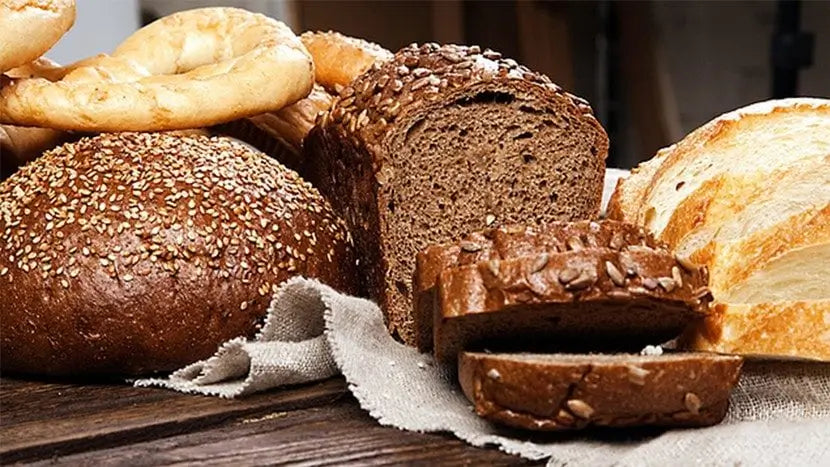
For years, "gluten-free diets" have been both praised and criticized by the health and fitness community. For most people, a gluten-free diet is simply a normal part of healthy living. Others try to avoid gluten to control the symptoms of celiac disease, an immune disorder in which gluten consumption damages the small intestine. Still others believe that the whole thing is an inflated media bubble. No matter why you avoid gluten, here's what you need to know about this problematic protein: What exactly is gluten? Gluten is not a toxic man-made chemical; it's a simple, natural protein found in wheat, barley, and rye. Food manufacturers use it to create texture, shape, and to improve product elasticity and softness. Gliadin, a protein structure found in gluten, plays an important role in the bread-making process by making it rise when baked. Gluten can be found everywhere, from beer, chicken broth, spices, and even candy. These days, many people choose to avoid gluten, believing they will be healthier and avoid digestive problems. There's also bad news when completely giving up gluten: your diet may lack B vitamins, iron, and dietary fiber. Studies show that eating whole grains reduces the risk of developing diabetes or cardiovascular disease. Unless you are absolutely sure that your body is intolerant to gluten, otherwise it is perfectly fine for your health. Celiac disease and gluten sensitivity Whether you're walking through a grocery store or reading a restaurant menu, it's very difficult not to see the phrase "gluten-free." This might lead you to believe that there are many people with celiac disease who need to be warned about gluten in food. It's true that people with celiac disease must avoid gluten. However, this condition has been diagnosed in only 0.3-1.2% of Americans. Celiac disease is diagnosed after numerous blood and intestinal biopsy tests. People diagnosed with celiac disease must avoid gluten to keep their small intestine healthy and functional. There are also other people who have, or think they might have, a sensitivity to gluten products. Gluten sensitivity is also known as gluten intolerance. Like celiac disease, gluten intolerance affects a very, very small portion of the population. If so few people have celiac disease and gluten intolerance, why are so many people in the sports community strictly against gluten? Can gluten negatively impact your physical condition and performance? Gluten and fat burning The "gluten-free" diet in the fitness community has been closely associated with fat burning. So far, there is no evidence that gluten has an impact on this. Everything comes down to calorie intake and creating a deficit, which is the most important factor in fat loss. Many people who start a "gluten-free" diet usually switch from high-calorie processed foods to low-calorie healthy foods such as fruits and vegetables. How much does gluten affect weight loss? It is still not clear. As with any other diet, the key to success is creating a calorie deficit, not eliminating one product or another. Gluten and athletic performance Many athletes believe that a "gluten-free" diet will improve their athletic performance. This may be true, but it only applies to people with celiac disease or gluten intolerance. Unfortunately, there is no test to show gluten tolerance; it is determined by the individual and how they feel after eating food containing gluten. Athletes who mistakenly believe that gluten is the cause of their potential abdominal problems may make negative changes to their diet and completely cut out healthy and valuable products, such as whole-grain bread. A study was conducted where scientists gathered a group of athletes with no history of gluten intolerance. The scientists then instructed the athletes to follow a strict gluten-free diet, avoiding all products containing gluten. At the end of the study, it was concluded that, at least in the short term, "gluten-free" diets had no impact on physical performance. Athletes who suffer from celiac disease or are truly intolerant to gluten must follow such a diet, otherwise, problems with iron absorption may occur in the body, which can lead to anemia. Celiac disease can also hinder the absorption of vitamin D and calcium, which can lead to osteoporosis and damage bones. Gluten and the digestive system If you suspect you are intolerant to gluten, first try eliminating it from your diet. This is an experimental process during which you will observe how your body reacts. If you notice positive changes in your digestion, be sure to get tested for celiac disease or at least continue to maintain a reduced intake of gluten. Remember that gluten intolerance is a truly rare phenomenon. Another possibility is that you simply tolerate lactose or certain oils and spices. In general, if you have any digestive problems, the first thing you should do is eliminate lactose, and only then gluten. So, should you follow a "gluten-free" diet? It is your choice what to eat, whether it be gluten-containing products or not. Overall, little research encourages giving up gluten. An average person will not experience major changes in health or athletic performance, but may lose important nutrients. Of course, if you have been diagnosed with celiac disease or gluten intolerance, the less gluten enters your body, the better. Ultimately, if you believe that certain foods are negatively affecting your health, talk to a dietitian and together decide on the best option. Ye, E. Q., Chacko, S. A., Chou, E. L., Kugizaki, M., & Liu, S. (2012). Greater whole-grain intake is associated with lower risk of type 2 diabetes, cardiovascular disease, and weight gain. The Journal of Nutrition, 142(7), 1304-1313. Bizzaro, N., Tozzoli, R., Villalta, D., Fabris, M., & Tonutti, E. (2012). Cutting-edge issues in celiac disease and in gluten intolerance. Clinical Reviews in Allergy & Immunology, 42(3), 279-287.

Protein bars
With protein bars becoming increasingly popular in Lithuania, Apolono Papildai has decided to briefly discuss their nutritional composition, how they differ, and their pros and cons. Globally, protein bars are a frequently chosen snack because they are designed to enrich a person's diet with nutrients and vitamins. People like protein bars because they help diversify their dietary intake. Furthermore, protein bars are a quick and tasty snack that can replace sweets when you crave something sugary; they also help those who lead busy lives and have little time for food preparation reach their daily protein intake goals. Nutritional composition of protein bars Since 2019, more high-quality protein bars have appeared on the Lithuanian supplement market (QNT Milkii, Grenade Carb KIlla, QNT Protein Joy, etc.). However, you must understand that there are many different types of protein bars on the Lithuanian market that do not have the best composition, so before buying protein bars, you must ensure that the bar is made of high-quality ingredients and has a good ratio of nutrients. The majority of protein bars are composed of: whey protein, sweeteners, flavorings, cocoa powder, and substances that improve the bar's taste and shelf life. Higher-calorie bars contain oats, nuts, fruit pieces, and seeds. These bars are suitable for individuals who want to gain weight or recover after a workout. Protein bars are a good source of protein and carbohydrates, depending on their composition; one can also obtain some calcium, B vitamins, potassium, and iron from them, and some bars are fortified with additional vitamins, making them suitable for vegetarians. Before buying protein bars, you should ensure that they do not contain too much sugar, fructose, or maple syrup, as such low-quality bars are abundant in supermarkets; therefore, before purchasing, you could always consult with the staff at a sports supplement store. Supplement store consultants will recommend the highest-quality products. Main pros of protein bars They are an excellent, quick snack when there is no time for food preparation. Also, you can eat protein bars anywhere, meaning a protein bar can replace an unhealthy snack or meal when you are in a hurry, driving a car, or on a bus, making it a practical choice. In addition, a high-quality protein bar can be a great post-workout snack that can aid in recovery if it is not possible to eat a balanced meal. Finally, protein bars can help you obtain additional fiber, vitamins, and minerals needed for general well-being. Protein bars are useful for weight loss because they enrich the diet with protein. Higher protein intake increases the thermic effect of food (helping burn more kcal per day and promoting weight loss) and also provides a greater feeling of satiety. Protein bars can help with weight gain. To gain weight, one needs to create a caloric surplus. Protein bars with a higher carbohydrate content can help increase caloric intake. Main cons of protein bars Many types of bars have been created. Not all bars are high-quality, so you should choose bars that do not contain high amounts of sugar, fats, or obscure ingredients. Always consult with a specialist before buying a bar to avoid purchasing a low-quality product. In summary, protein bars can help you increase your protein intake, replace unhealthy snacks, and diversify your diet. Before choosing a product, it is important to evaluate its nutritional value and quality. Do not choose bars that are full of sugar and other obscure ingredients. A balanced diet and a healthy lifestyle are the most important. Our full range of protein bars. References: Campos-Nonato I, Hernandez L, Barquera S. Effect of a High-Protein Diet versus Standard-Protein Diet on Weight Loss and Biomarkers of Metabolic Syndrome: A Randomized Clinical Trial. Obes Facts. 2017;10(3):238-251. Burke LM, Kiens B, Ivy JL. Carbohydrates and fat for training and recovery. J Sports Sci. 2004 Jan;22(1):15-30.

Vitamins, minerals and weight loss (1)
When creating a calorie deficit, it is harder to obtain the necessary amount of vitamins and minerals from food, considering nutrient absorption. Furthermore, food must be of high quality, and one must eat plenty of vegetables, fruits, and berries to get all the necessary nutrients and minerals, including omega-3. People and athletes often do not get enough nutrients; additionally, women are at a higher risk of not getting enough vitamins and minerals from their diet (due to lower calorie needs). Most commonly, people are deficient in zinc, iron, vitamin D, magnesium, calcium, iodine, and B-group vitamins. A lack of vitamins and minerals can cause general health problems, worsened bone condition, reduced productivity, and lack of energy. Under ideal conditions, all nutrients, vitamins, and minerals could be obtained from one's diet, but due to rushing, stress, and concerns regarding food quality, this is difficult to achieve; therefore, it is worth considering the use of food supplements. This is especially true given that some people dislike certain foods (e.g., beef, fatty fish) or are vegans. Considering this, we can state that obtaining enough vitamins and minerals is almost impossible, so people should consider taking supplements. Supplements that could be included while dieting: Multivitamins and minerals Multivitamins and minerals can be used by people who are dieting, cannot consume many food products, or have low income. Studies have shown that micronutrient deficiency is associated with a higher risk of being overweight, obesity, and other dangerous and debilitating diseases. Since more than two-thirds of the US population is overweight or obese, and studies show that a third are on a diet at any given time, they do not get enough vitamins and minerals; therefore, they could obtain them from supplements to avoid mineral and vitamin deficiencies. As you have already understood, when dieting and eating unbalanced meals, you should include multivitamins and minerals in your diet. Multivitamins should be taken during a meal. The nutrients or other components in the food improve the absorption of vitamins and minerals. Some vitamins (A, D, E, and K) are fat-soluble and are best absorbed when eating fats (e.g., carrots + olive oil). Vitamin D All vitamins are important, but Lithuanians are most commonly deficient in vitamin D. Worldwide, more than a billion people face vitamin D deficiency. Vitamin D regulates the function of over 200 genes and is essential for the growth and development of the organism. Vitamin D deficiency can cause obesity, diabetes, hypertension, chronic fatigue syndrome, osteoporosis, etc. By getting enough of this vitamin, it is possible to avoid the aforementioned ailments. Fat-soluble vitamins are easy to overdose on, so you must monitor how much you get from food and take supplements responsibly. Low calcium and vitamin D intake is linked to an increase in body fat; one study showed that women who consumed plenty of vitamin D lost more weight than those who did not. Vitamin D is required for athletes. Not getting enough vitamin D can impair recovery and physical performance in competitions or the gym, making it harder to lose weight, especially for those athletes who live and train in Norway, Sweden, Lithuania, and other regions where there is less sun. Vitamin D comes in two forms: D2 and D3. The D3 form is absorbed better, so it is better to choose the vitamin D3 form. Thus, when dieting, you must ensure you get enough vitamin D so that your weight-loss journey is easier. Calcium Studies indicate that a diet lacking in calcium is associated with higher body weight. Sufficient calcium intake during a diet helps reduce body weight and body fat gain, or facilitates weight loss. Calcium is required for bones. Moreover, calcium is necessary for lipid breakdown and suppresses lipogenesis. Other studies indicate that insufficient dietary calcium is a risk factor for being overweight. Calcium supplements from dairy can help reduce body weight. Calcium/dairy supplements promote fat oxidation and fat content in feces. Calcium supplements and dairy products can help reduce energy intake and limit calorie content in the diet, reduce hunger, and facilitate weight loss. If you decide to use calcium, it would be beneficial to choose calcium carbonate. Calcium carbonate is one of the best-absorbed forms of calcium, including calcium citrate, which also features decent absorption and is important for strong bones. Furthermore, you will get greater benefits from calcium supplements if you split the dosage into several meals per day, as this will promote better calcium absorption. In summary, while dieting, it would be good to obtain enough calcium from food or supplements so that you feel well and, perhaps, improve fat burning. The second part of the article is here. References: Ada L, Dorsch S, Canning CG (2006). "Strengthening interventions increase strength and improve activity after stroke: A systematic review". Australian Journal of Physiotherapy. 52 (4): 241–48. Shelton RC, Puleo E, Syngal S, Emmons KM. Multivitamin use among multi-ethnic, low-income adults. Cancer Causes Control. 2009 Oct;20(8):1271-80. Calton JB. Prevalence of micronutrient deficiency in popular diet plans. J Int Soc Sports Nutr. 2010 Jun 10;7:24. Holick MF, Chen TC. Vitamin D deficiency: a worldwide problem with health consequences. Am J Clin Nutr. 2008 Apr;87(4):1080S-6S. Cannell JJ, Hollis BW, Sorenson MB, Taft TN, Anderson JJ. Athletic performance and vitamin D. Med Sci Sports Exerc. 2009 May;41(5):1102-10. Romagnoli E, Mascia ML, Cipriani C, Fassino V, Mazzei F, D'Erasmo E, Carnevale V, Scillitani A, Minisola S. Short and long-term variations in serum calciotropic hormones after a single very large dose of ergocalciferol (vitamin D2) or cholecalciferol (vitamin D3) in the elderly. J Clin Endocrinol Metab. 2008 Naeem Z. Vitamin d deficiency- an ignored epidemic. Int J Health Sci (Qassim). 2010;4(1):V-VI.Mason C et. al. trial. Vitamin D3 supplementation during weight loss: a double-blind randomized controlled trial1,2,3 Am J Clin Nutr. (2014) 99(5): 1015–1025.Tremblay A, Gilbert JA. Human obesity: is insufficient calcium/dairy intake part of the problem? J Am Coll Nutr. 2011 Oct;30(5 Suppl 1):449S-53S. Shapses SA, Heshka S, Heymsfield SB. Effect of calcium supplementation on weight and fat loss in women. J Clin Endocrinol Metab. 2004;89(2):632-637.

Fish oil and weight loss
Fish oil and weight loss Today, many Lithuanians do not get enough omega-3, eicosapentaenoic acid (EPA), and docosahexaenoic acid (DHA) from their diet because they do not eat fatty fish (salmon, roe, cod liver, herring, oysters, sardines), as high-quality fish is expensive; therefore, it is important to include omega-3 in your diet. A sufficient amount of omega-3 in the human diet reduces inflammatory processes in the body, improves immune system function, and also improves fat mobilization while slightly stimulating fat burning and weight loss. Fish oil is essential for women and helps reduce the risk of colon, uterine, and skin cancer. Additionally, fish oil consumption can help reduce symptoms of depression, high blood pressure, diabetes, and other disease risks. Furthermore, DHA is crucial for a baby's brain development. Adequate fish oil intake can improve a newborn's health. Consuming fish oil can improve brain sensitivity to leptin (which can help with dieting and feeling better), and an insufficient amount of EPA/DHA in the brain is associated with unpleasant mood swings or even psychological illnesses. Moreover, fish oil supplements can help alleviate PMS symptoms. It would be beneficial to obtain about 1.8–3.0 grams of EPA/DHA from your diet or supplements. You can also get EPA/DHA from krill oil, which may be even more beneficial than fish oil. Krill oil looks different from fish oil. Fish oil is usually yellow, while krill oil is pink due to the antioxidant astaxanthin it contains. It should be mentioned that fish oil supplements react to heat and light, so they should be stored in dark bottles in a cool place, such as a refrigerator. Some people experience unpleasant sensations and burping when taking fish oil supplements; these symptoms can be mitigated by using supplements in enteric-coated capsules and keeping them in a cool place. In summary, omega-3 is important when dieting; everyone should enrich their diet with these acids to improve weight loss and overall well-being, brain function, and the activity of the nervous, cardiovascular, and circulatory systems. Adding that omega-3 positively affects bones, joints, vision, the endocrine system, the immune system, inflammatory processes in the body, metabolism, and recovery after training or injuries. Zinc and weight loss Zinc is essential for the human body. A zinc deficiency can cause cataracts, allergies, diabetes, skin and eye diseases, prostate adenoma, chronic fatigue, and psychological illnesses; zinc can also affect digestion. Zinc is involved in the activation of more than 300 enzymes in the body, the synthesis of nucleic acids (DNA and RNA) and proteins, and hormone metabolism (especially sex hormones); it directly affects tissue and skeletal collagen and improves vision. Not getting enough zinc impairs testosterone production (therefore, men should get enough zinc to produce sufficient testosterone before considering the use of more serious supplements). Zinc is involved in many biological processes: zinc is essential for people who are dieting. Not getting enough zinc from your diet can lead to lower thyroid hormone levels and a slower metabolism. A study found that taking zinc supplements for several months improved zinc levels in the human body and increased thyroid hormone levels. Additionally, other studies have indicated that zinc consumption allows for more weight loss and reduced body measurements (if the person is not getting enough zinc from their diet). An interesting observation is that zinc positively affects sleep quality, and better sleep equals optimal weight loss. Furthermore, it has been proven that zinc and magnesium improve serotonin signaling, which helps reduce cravings for sweet foods and symptoms of depression; this may indicate that zinc consumption can help control calorie intake and assist in weight loss. The first part of the article is here. References: Calder PC1, Yaqoob P.Omega-3 polyunsaturated fatty acids and human health outcomes. Biofactors. (2009) 35(3):266-72. Simopoulos AP.Omega-3 fatty acids in inflammation and autoimmune diseases. J Am Coll Nutr. (2002) 21(6):495- 505.Navarini L et. al. Polyunsaturated fatty acids: any role in rheumatoid arthritis? Lipids Health Dis. 2017 Oct 10;16(1):197. Wilson PB and LA Madrigal. Associations among Omega-3 Fatty Acid Status, Anxiety, and Mental Toughness in Female Collegiate Athletes. J Am Coll Nutr. (2017) Sep 14:1-6. Buckley JD1, Howe PR. Anti-obesity effects of long-chain omega-3 polyunsaturated fatty acids. Obes Rev. (2009) 10(6):648-59 Visioli F et. al. Dietary intake of fish vs. formulations leads to higher plasma concentrations of n-3 fatty acids. Lipids. (2003) 38(4):415-8.Bourre JM et al. Dietary omega-3 fatty acids for women. Biomed Pharmacother. (2007) 61(2-3):105-12.Gray, B., Steyn, F., Davies, P. et al. Omega-3 fatty acids: a review of the effects on adiponectin and leptin and potential implications for obesity management. Eur J Clin Nutr 67, 1234–1242 (2013). Filho, EAR et. al.Essential fatty acids for premenstrual syndrome and their effect on prolactin and total cholesterol levels: a randomized, double blind, placebo-controlled study Reprod Health. (2011) Jan 17;8:2Noreen EE et. al.Effects of supplemental fish oil on resting metabolic rate, body composition, and salivary cortisol in healthy adults J Int Soc Sports Nutr. 2010; 7: 31. Published online (2010) Oct 8.Sampalis F et. al.Evaluation of the effects of Neptune Krill Oil on the management of premenstrual syndrome and dysmenorrhea. Altern Med Rev. (2003) 8(2):171-9. Köhler A, Sarkkinen E, Tapola N, Niskanen T, Bruheim I. Bioavailability of fatty acids from krill oil, krill meal and fish oil in healthy subjects--a randomized, single-dose, cross-over trial. Lipids Health Dis. 2015 Mar 15;14:19. Payahoo L, Ostadrahimi A, Mobasseri M, Khaje Bishak Y, Farrin N, Asghari Jafarabadi M, Mahluji S. Effects of zinc supplementation on the anthropometric measurements, lipid profiles and fasting blood glucose in the healthy obese adults. Adv Pharm Bull. 2013;3(1):161-5. Khorsandi H, Nikpayam O, Yousefi R, et al. Zinc supplementation improves body weight management, inflammatory biomarkers and insulin resistance in individuals with obesity: a randomized, placebo-controlled, double-blind trial. Diabetol Metab Syndr. 2019;11:101. Published 2019 Dec 2. Cherasse Y, Urade Y. Dietary Zinc Acts as a Sleep Modulator. Int J Mol Sci. 2017;18(11):2334. Published 2017 Nov 5. Szewczyk B, Poleszak E, Sowa-Kućma M, Siwek M, Dudek D, Ryszewska-Pokraśniewicz B, Radziwoń-Zaleska M, Opoka W, Czekaj J, Pilc A, Nowak G. Antidepressant activity of zinc and magnesium in view of the current hypotheses of antidepressant action. Pharmacol Rep. 2008 Sep-Oct;60(5):588-9. PMID: 19066406. Maxwell C, Volpe SL. Effect of zinc supplementation on thyroid hormone function. A case study of two college females. Ann Nutr Metab. 2007;51(2):188-94.

THE BEST DIET MAY BE THE ONE WITHOUT IT
A ten-year study involving around 5,000 young people found that those who managed their weight best practically didn't follow any diet. Find out what helped them lose weight and what caused them to gain it. Over the past decade, a team of Finnish scientists studied and monitored the weight management habits of over 4,500 people in their 20s. They found that, on average, about a quarter of the young men and women participating in the study maintained their weight over 10 years. A significantly smaller percentage (3.8% of men, 7.5% of women) lost weight. Those who lost or maintained their weight shared two common traits: they never skipped meals and never followed a diet. Conversely, the biggest factors associated with weight gain among women were those who had two or more children, consumed high-sugar foods, skipped meals, and were dissatisfied with their lives. Young men who gained weight also skipped meals, had periods of dieting, and smoked. How to eat healthy without dieting One increasingly popular alternative to traditional dieting is the "flexible dieting" method, also known as "If It Fits Your Macros" or "IIFYM". The idea behind this approach is to eat foods that help you meet your daily nutritional goals (macros) but by consuming a much wider variety of foods, so that your body doesn't get used to it and you don't get bored eating the same thing, and so that you don't feel like you're on a diet. If eating food regularly is a challenge for you, this can help you understand what kind of personality you are. Are you a "habitual light-eater," an "insatiable eater," or a "professional grazer" (Professional grazers are people who never eat a full meal but constantly snack). The more you know which type you are, the better you can adapt to it and eat accordingly to get the calories and macronutrients you need. Get the basic facts – and some delicious recipes. The foundation of any successful nutrition plan is understanding how many calories you need to consume each day and what the ideal ratio between macronutrients (fats, proteins, and carbohydrates) is. Order a meal plan, and we'll do that for you! There are countless recipes on the internet for breakfast, lunch, dinner, and even healthy snacks or desserts, so don't be lazy and start today!

ARE YOUR "DIET HABITS" SECRETLY HARMING YOUR WEIGHT LOSS?
Which of these "Eating Habits" describes you? Find out why your progress has stalled and what to do about it. It takes much more than just knowing about healthy eating and the basics of weight loss. If you are not seeing the results you want to achieve, or at least the results you wanted to achieve, despite adhering to the regimen regularly, it may be that your "Eating Habits" are holding you back. These habits describe how you behave and what happens to you when you consume certain foods. Ignoring them, these actions can separate an incredible body from an average one. Here are six "Eating Habits" that people have and with which you will encounter, and how to deal with them on your fitness journey. 1. THE CASUAL INDULGER. This personality lives by the motto "Work hard, play harder". When starting to exercise and follow a diet during the week, the casual indulger is as straight as an arrow, their work ethic at the gym is strong and their clean eating is consistent, without any deviations. Then the weekend or special holidays come and it's like Superman was hit with Kryptonite (a mineral that weakens him). As if they had closed the book on their Monday-Friday schedule, they also say goodbye to maintaining their eating habits. For this type of person, socializing with food and drinks is the number one priority, saying "No" is impossible because they have a fear of missing out on something special, and always say "Yes" out of guilt, obligation, or social ritual (Everyone does it and so should I). Already at the football stadium entrance, they drink liberal amounts of beer, eat endless chicken wings, hotdogs, and burgers. They can't resist two-for-one Margaritas or happy hour specials, and yet life needs to be enjoyed, right? Solution: Pay attention to your surroundings and ask yourself, "Am I relaxing from true hunger or overeating, overdrinking, because it's normal in society and it pressures me?" Events you want to attend can be just as fun without getting drunk or stuffing yourself with unnecessary food. Moderation is more important than anything else for this type of person. Meet up with friends and go to all the events you want, but limit your drinking and overeating. Just remember that the strict regimen you follow for five working days and training like a Spartan cannot compensate for stuffing yourself with anything and neglecting yourself for the other 48 hours. This sport requires consistency, and relaxation should be occasional and moderate, especially for this type of person. 2. THE INSATIABLE EATER. This personality's motto: "I see food, I eat it." As the name suggests, this type of person has an insatiable appetite. Unfortunately, this indicates that he or she has little self-control when it comes to portion sizes, which can be maddening. This type of person can train like a beast, but such exercising is often seen as a reason to eat more unhealthy food. Solution: The insatiable eater needs to learn from the Okinawans and practice the "hara hachi bu" philosophy, which roughly translates to, "Eat until 80 percent full." Practice by writing down everything you eat in a notebook or by filling everything out in a phone app (of which there are many nowadays), this will help you analyze what and how much you eat. Practice eating slowly and pausing between each bite to truly enjoy the food, its taste. Patience while eating is very significant, as our brains do not immediately understand and "register" that the stomach is already full, and this can very easily lead to overeating. 3. THE PROFESSIONAL GRAZER. Instead of eating balanced and normal portions and risking eating a bit more than you need in one sitting, this type of person simply eats small portions, but all day long: a handful of nuts here, one or a few candies there, and who can resist mom's homemade cookies? This type of person eats out of boredom, curiosity, nervousness, or because food is easily accessible. This type of person does not aim for a perfect body, as they constantly fail and fail because they do not understand that all calories add up, no matter what the portions or quantities are. Usually, they eat much more than they should and don't even realize it. They are disappointed when they don't see results, because after all, their portion size is so small! And they don't even notice that they snack 12 times a day. Solution: The number one priority for this type of person is to understand that all calories add up, regardless of portions or quantities, everything counts. To get rid of such behavior, track your food intake for at least a couple of days, so you can understand the problems you are experiencing and that you need to change. A few more tips we would recommend practicing: Eat fewer snacks, choose larger and more filling portions, double-check your fiber intake, this food slows down digestion and promotes satiety! Fiber-rich foods include whole grains, fruits, and vegetables. Ask yourself "Why am I snacking? Is it because I'm nervous, anxious, or just bored?" And finally, consider your hydration status. If you don't drink enough water, it greatly affects how hungry you feel, when in reality you're just dehydrated. 4. THE EMOTIONAL EATER. Had a bad day at work? Was school tragic? Are other significant things stressing you out? Or are upcoming tasks or events making you anxious? No matter the case, it's time to eat. Well, at least for this type of person. Stressful disturbances for this type of person are usually quelled with food, usually food high in trans fats (fast food) or full of sugar. While this type of person exercises consistently, their results do not reflect or align with how hard they train. This type of person is driven by emotion, they brag to everyone about achieving minimal results, then abandon everything due to a problem and later suffer from social pressure, and then they deeply regret and blame themselves for it. Solution: The biggest weapon for this type of person is awareness. Just because life seems out of control in one area doesn't mean you have to let it affect other aspects. Before you start devouring everything, ask yourself "Why" three times before deciding to do so. Most often you will realize that you are not hungry – it's boredom and you need to get out of your comfort zone, out of stressful situations, because you will only feel short-term pleasure and that will solve nothing, it will only disappoint you even more, because you will have another problem. Change your mindset about food and stress. It is very important for you to seek healthier alternatives to food for stress relief. These alternatives could be not just food, but going for a walk, deep breathing, going to a workout, reading, or simply talking to a friend. Another measure is to ensure that you don't have snacks at hand, so that you don't have the problem you faced before. Out of sight, out of mind! 5. 24/7 LUNCH. Seven days a week, this person has lunch at different restaurants. This person lacks culinary skills. Usually, this type of person is not interested in learning them at all. They usually use the excuse "too busy" to cook and prepare food. So they rely on takeout and restaurant-prepared food. Hey, we'd all love to enjoy restaurant food whenever we want, but constantly eating such food is dangerous. This type cannot control the portions prepared by the restaurant. They simply cannot know what and how much oil is used, what ingredients are used in their food and where they come from. Of course, it looks like a plate of chicken breast and rice, but the chicken was probably cooked with a considerable amount of oil and the rice prepared with butter and other ingredients not used when cooking at home. So, when it was expected to consume about 500-600 calories, it could eventually turn out to be 1000 or even more. Solution: You don't have to be the best chef or cook world-class food, but you should be able to prepare a few simple, quick meals that will help you throughout the workday. Look for frozen vegetables that you only need to throw into boiling water and season your porridges, because food should be tasty! Cook everything at once, this will save you time. When eating at home, you will know exactly how much and what you consume and avoid the macro element guessing game. For busy individuals, we suggest practicing eating the same meals – eating 2-3 of the same dishes per week – to simplify the food planning and preparation process. This is why most healthy eating experts suggest cooking food once or twice a week, to avoid guessing what, how, and how much to cook each day. An example of a consistent meal is simple: Your diet should consist of meat, grains, and vegetables. If you are losing weight – eat more vegetables (You can consume a lot of them, and they have few calories, plus they help digest food better as they are rich in fiber), if you are gaining weight – eat more grains. 6. THE "MULTITASKER" While working, writing, driving, or watching a series, these people mindlessly munch, as their attention is directed elsewhere. Popcorn, sweets, and a good movie, anyone? Multitaskers are hardworking at the gym but don't see results because they tend to overlook what they eat. They simply lack a balanced diet. Solution: Stop multitasking. Seriously. Multitasking is great in some areas, but not in this activity. Besides, only about 2% of people can truly multitask, so you're probably not one of them. Invest in a calendar that will help you organize your schedule. Arrange it so that you can calmly eat your food relaxed, instead of eating in a hurry, completely unsure of what, say, while talking on the phone or while working at your job or browsing the internet. In reality, just sit down separately from everything at a table and concentrate only on the one thing you are doing. Doing one activity at a time prevents you from getting distracted and munching on "hidden calories" (which you don't count at all). Moreover, you can become more productive and efficient by giving your full attention to one task you are performing. So now that you've learned about all six eating types, tell us: Which of these six types is causing the most harm and biggest problems on your fitness journey? And what do you plan to do about it? Write to us and we guarantee we will help you find a solution and give you a concrete answer on what to do!

4 HIGH-PROTEIN SNACKS FOR YOUR SUMMER ROAD TRIPS
4 HIGH-PROTEIN SNACKS FOR YOUR SUMMER TRIPS The best part of any summer trip is the feeling of freedom – the freedom to go where you want, do what you want, and eat what you want. Wait. The last part of that sentence is key. If you're putting in effort at the gym and working hard towards your goals, it's important to maintain your nutrition – even during a relaxing trip. A little forward planning and preparation will ensure you have healthy, high-protein snacks on hand for the road. 1. PEANUT BUTTER BANANA "SUSHI" Anyone can make sandwiches, put them in a box, and call it travel food. But eating while driving on complex, fast highways can be dangerous and difficult. But we have a quick and easy suggestion for you: Wrap peanut butter with a banana slice in a whole-grain tortilla, like sushi. The result is simply excellent – bite-sized pieces help avoid driving and mess problems. You can easily pick them up without distracting from driving. 2. BACON AND APPLE EGG MUFFINS If you haven't tried making muffins with scrambled eggs yet, you've waited too long. These little wonders consist of scrambled eggs mixed with other ingredients and then baked in a muffin tin to create convenient, high-protein snacks. This recipe, created by Cate Ritter, Functional Diagnostic Nutrition Practitioner and owner of "Cate's Nutrition Kitchen", couldn't be tastier. You get the best snack – a combination of tastes (sweet, savory, and salty) all in one. 3. PROTEIN PEANUT BUTTER BALLS. What you really want is sweets, the crispy taste of a protein bar, but there's no need to spend 2-3 euros on one at a convenience store. This recipe for protein balls from Detric Smith, powerlifting coach, exercise physiologist, and owner of "Results Performance Training", is delicious down to the last bite, requires no baking or long preparation. Plus, it's a mixed and balanced (protein, carbohydrate, and fat mixture that will help keep your energy stable. 4. CREAMY TUNA DIP Another favorite high-protein snack from Detric Smith offers an alternative to your typical tuna salad, and it's much more appealing than eating tuna straight from the can with a spoon. "Instead of using traditional mayonnaise, I use fat-free cream cheese. It adds a unique flavor and more protein without unnecessary fat," says Smith. The trick, of course, is storage – this recipe requires refrigeration. Prepare it and keep it in the fridge until you leave, then transfer it to a cooler, and the problem is solved. When you're hungry, use this dish as a dip for your favorite crackers. It's also delicious with rice cakes.

FAT BURNERS. 7 WAYS TO LOSE WEIGHT FASTER
Weight loss supplements (Fat burners) are not magic capsules that will produce miraculous results just by taking them; fats won't disappear on their own. However, by following the seven suggested steps, you can ease your journey to that dreamed-of "perfect" body! A properly balanced diet and intense workouts are your most important weapons. You simply cannot get rid of fat without hard work in the gym and kitchen. However, well-formulated fat burners can help you see your desired results faster. The supplement market is overflowing with fat burners that boost metabolism, have a thermogenic effect, suppress appetite, or block carbohydrate and fat absorption. But burners won't have a significant impact without dedicated effort. We have prepared 7 steps for you that will increase the effectiveness of fat burners and help you get rid of fat layers more easily. 1. Choose the right path Just like everything in life, what you invest and how hard you pursue your goal is what you will get; the path to weight loss is similar. You cannot simply buy a fat burner and expect it to fix everything. As mentioned earlier, there are no magic pills. Many products are designed not only to enhance fat burning but also to curb appetite and provide more energy. A quality fat burner will help you achieve your desired goal more easily, but again, you should also have a complete and suitable workout program in your hands. 2. Choose the right burner for you There are many products on the market, so finding the right fat burner for your goals can sometimes be challenging. However, there are a few tips that can help. Fat burners are usually divided into two broad categories: those with stimulants and those without. Stimulant-containing burners will include ingredients such as caffeine, synephrine, tyramine, and yohimbine (or Yohimbe). These ingredients will help you get more energy, suppress appetite, and increase fat release from fat cells (to burn fat as energy).Burners without stimulants usually contain components such as:green tea extract, various carnitine formulas, such as acetyl-L-carnitine; appetite-suppressing ingredients like Caralluma fimbriata extract, or Phaseolus vulgaris (white beans) and Cynara scolymus (artichoke) extract. These are suitable for people who are sensitive to stimulant-containing substances, such as those mentioned above. 3. Timing is key Since fat burning requires a diet plan with a caloric deficit, we recommend choosing products with an appetite-suppressing effect. Take the burner 30 minutes before breakfast and lunch. If you chose a burner without stimulants, you can take a serving before dinner as well. This will not only help ensure a feeling of fullness after meals but also speed up your metabolism. 4. Water Thanks to fat burners, your metabolism speeds up significantly, and you will notice that you sweat more. Additionally, stimulants like caffeine have a diuretic effect, so you may need to visit the restroom more often. These conditions can lead to dehydration and slow down your metabolism. Drinking 2.5-3.5 liters of water per day will keep you from feeling hungry, make you much more energetic, and it has been proven to accelerate metabolism and, with it, fat-burning processes. Recommendation: drink at least 1 cup (250 ml) of water with each serving of fat burner to ensure optimal absorption and hydration. If you exercise in a hot environment and sweat for an extended period, you may need to double your water intake. 5. Cycle your burners Over time, the body becomes resistant to certain ingredients. Adaptation also occurs with stimulants. Furthermore, too many stimulants can lead to elevated cortisol levels (a hormone that breaks down muscle and promotes fat storage). To avoid these unnecessary processes, it is recommended to cycle burners with and without stimulants. The optimal option is to use stronger burners for 3-4 weeks and then take two weeks off from them. During these two weeks, you can incorporate weaker burners (without stimulants). 6. Get enough rest One of the most important, yet often overlooked, steps on the path to lean muscle gain is deep sleep. In fact, some people who use fat burners simply get extra energy for work because they constantly suffer from lack of sleep. Unfortunately, this approach can increase the level of the aforementioned hormone cortisol in the blood and may reduce testosterone production, and these processes will significantly slow down your progress. Sleep is essential for recovery, regeneration, and hormonal balance. You've likely heard this before: eight hours of deep sleep per night. If you notice that your fat burners interfere with sleep, do not take supplements with stimulants later than 5-6 PM. This applies not only to burners but also to pre-workout supplements, creatine blends with stimulants, and so on. 7. Benefits of caffeine and green tea extract If you truly want to significantly boost your metabolism, choose a burner that contains caffeine and green tea extract. Take 1 serving immediately upon waking, and another 30 minutes before your cardio. Most people don't consider the thermogenic effect of green tea, focusing only on the effects of caffeine, but this isn't entirely accurate. When these two components are biochemically combined, the catechin-polyphenol (ECGC) in green tea, when combined with caffeine, releases norepinephrine (NE), and the synergistic action stops NE reuptake, providing energy for a longer period.Norepinephrine is a key factor in the process of fat burning and breakdown, as well as appetite suppression. Previous studies have shown that individuals who used green tea extract before cardio achieved significantly better fat burning results than those who took a placebo. Thanks to caffeine, energy released from fats is used as fuel to nourish the body; caffeine improves focus and provides motivation. It has been proven that caffeine reduces muscle soreness associated with weightlifting. You will work harder and longer, achieving your desired results faster.

Which proteins are the best? How to choose a protein supplement based on your goal
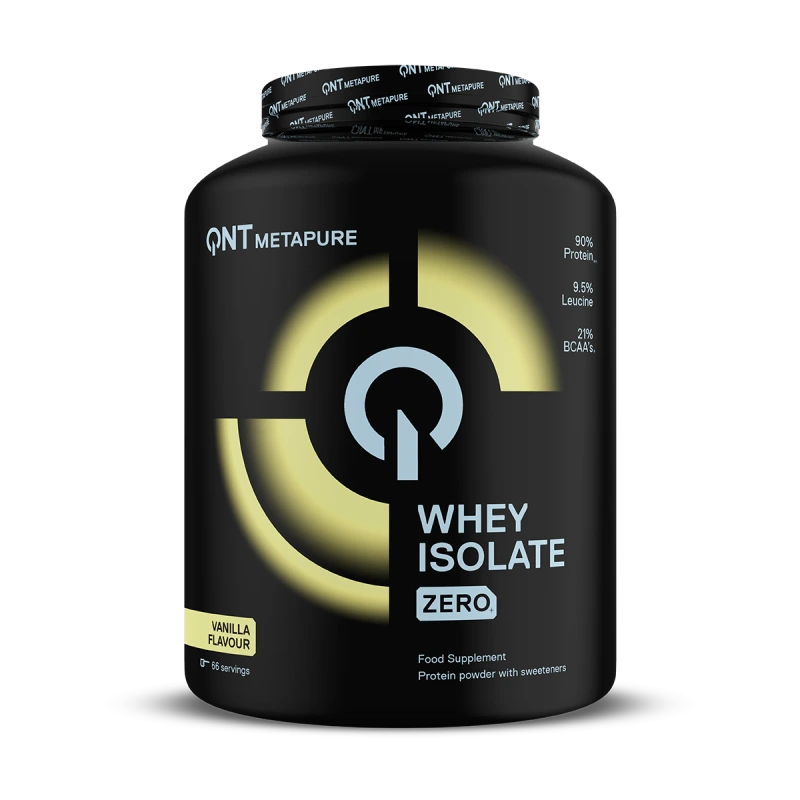
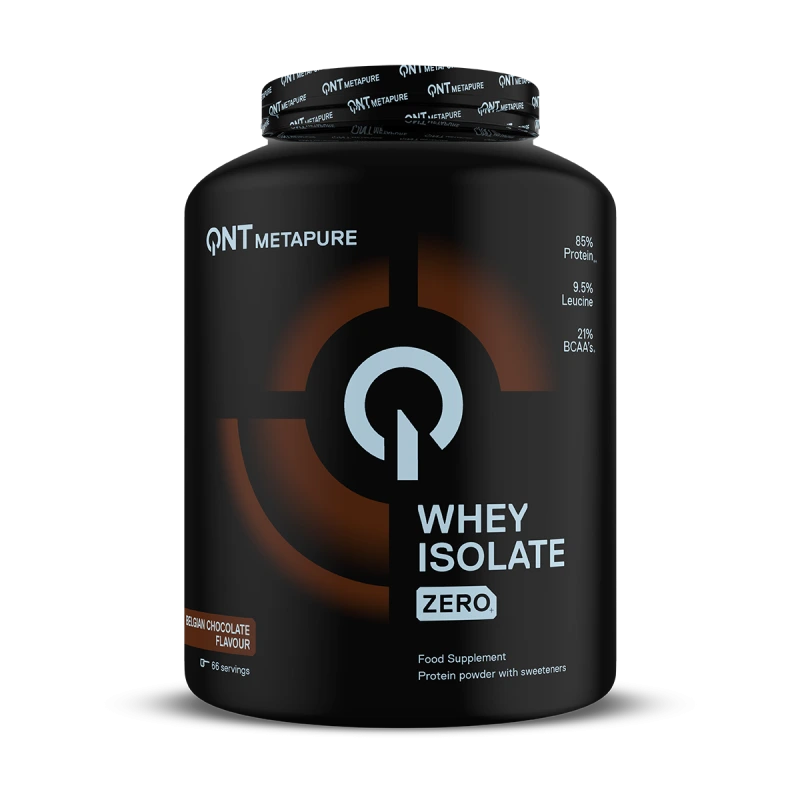
Updated: July 24, 2026There are dozens of protein supplements on store shelves, and the question "which protein is best" has no single answer. The best protein depends on your goal: muscle building, weight loss, or lactose intolerance. In this article, you will find a comparison table of types, specific dosages in grams, and answers to frequently asked questions so that you can choose a product based on reasoning rather than chance.Which protein is best?The short answer depends on your goal: for muscle building, an isolate or concentrate is best; for weight loss, a lower-calorie isolate; and before bed, casein. If you are lactose intolerant, choose an isolate or a plant-based protein: both are practically lactose-free. In sports nutrition, the words "protein" (baltymai) and "protein" (proteinas) are often used interchangeably, although "proteinas" usually refers to a specific supplement, while "baltymai" is a broader concept that encompasses both food and supplements.Each type differs in protein content, absorption rate, and price. You will find a detailed comparison in the table below.Types of protein and how they differThe five main types of protein supplements differ in how they are processed and, consequently, in their properties. When making cheese, a byproduct called whey remains. It is processed into powder: fat, lactose, and water are removed, and flavorings and sweeteners are added. This results in whey protein, which forms the basis for concentrates, isolates, and hydrolysates. Type Protein per serving Absorption rate When to take Price Best for Protein concentrate (WPC) 70–80% medium any time of day lowest universal, for beginners Protein isolate (WPI) 85–90% fast post-workout medium–high those wanting fewer calories, lactose-sensitive Hydrolysate up to 90% fastest immediately after intense exercise highest athletes needing rapid absorption Casein 75–85% slow (6–8 hrs) before bed medium sustained protein delivery at night Plant-based protein varies by source medium–slow any time of day medium–high vegans, lactose intolerant Isolate is filtered further, meaning it contains more protein and fewer calories per serving. The same filtration process removes almost all lactose, making isolate much easier to digest for those sensitive to it. You pay slightly more for this additional processing than you would for a concentrate.The quality of plant-based proteins varies significantly and depends on amino acid digestibility, indicated by the PDCAAS (Protein Digestibility Corrected Amino Acid Score). Whey concentrate and isolate score 1.00, soy isolate 0.98, pea protein about 0.89, while hemp and rice proteins score significantly lower, around 0.4–0.5. The position of the International Society of Sports Nutrition (Jäger et al., 2017) discusses protein quality and the combining of sources. A newer, more accurate metric is the DIAAS (Digestible Indispensable Amino Acid Score): it is increasingly used instead of PDCAAS as it more accurately reflects the actual absorption of amino acids in the intestines.In practice, this means it is worth combining one plant source with another, such as pea protein with rice, to obtain a more complete amino acid profile. You can find concentrates, isolates, and casein in their respective collections: protein, protein isolate, casein, whey protein (WPC), and plant-based protein.Best protein for muscle buildingFor muscle growth, isolate or concentrate is best, taken after a workout in doses of 20–40 g per meal. This dosage effectively stimulates muscle protein synthesis (Jäger et al., 2017). A smaller dose may not fully activate synthesis, while more than 40 g at once typically provides no additional benefit to muscles.The total daily intake for an athlete building muscle is 1.4–2.0 g of protein per kilogram of body weight. A meta-analysis by Morton et al. (2018), involving over 1,800 participants, showed that the benefit to muscle mass plateaus at around 1.6 g/kg on average, though the individual limit may reach 2.2 g/kg. In other words, for some people, a higher amount still provides a slight additional effect, but for the average person who works out, a larger dose does not necessarily mean faster progress.The "anabolic window" myth is also worth noting. It was long believed that protein needed to be consumed within 30 minutes of a workout, but newer studies suggest a much wider window – up to 3–5 hours, depending on the total daily protein intake (Aragon and Schoenfeld, 2013). This means that not having a shake immediately after training does not significantly affect results if you eat a protein-rich meal within the next few hours.Digestive comfort is also important: for some people, it is not just the amount of protein that matters, but how easily the product is digested. In this case, supplements with digestive enzymes are suitable, such as QNT Light Digest Whey Protein – it is one of the best-selling products in the store precisely because of the combination of easy digestion and concentrated protein. You can find ideas for protein-rich meals alongside supplements in our article on the 10 best foods for muscle mass growth.Best protein for womenThe best protein for women does not differ significantly from what is suitable for men: men's and women's bodies absorb protein the same way. The only differences are individual body weight, activity levels, and goals, not gender. A woman looking to build muscle can use the same isolate or concentrate as a man, with the dosage adjusted to her body weight.A stereotype still prevalent in the market is that "women's" protein must be very low in protein and carbohydrates and have a sweet taste. This marketing approach is not scientifically grounded: protein requirements are determined by muscle mass, activity, and goals, not by gender itself.It is worth mentioning another myth: collagen as "women's protein." Collagen proteins are not complete because they lack several essential amino acids, particularly leucine, which is the most important activator of muscle protein synthesis. Therefore, collagen complements the diet but should not replace the primary protein source.For women looking for a specific product, VPLab Ultra Women's Protein is a great choice and one of the best-selling products in the entire store. You can view the general range in the protein collection.Best protein for weight lossWhen losing weight, a lower-calorie isolate is best because it contains almost no carbohydrates or fat, and has the highest protein content. Protein keeps you fuller for longer and helps preserve muscle mass while total calorie intake is reduced – this ensures that weight loss comes from fat rather than muscle.When losing weight, the daily requirement is often increased to 1.8–2.2 g/kg to protect muscles from wasting away. When combined with strength training and a strict calorie deficit, requirements may increase further – up to 2.3–3.1 g/kg of lean body mass, rather than total weight (Helms et al., 2014). This distinction is important: calculating based on total weight makes it easy to overestimate. Studies show that whey protein helps maintain muscle protein synthesis during a deficit (Hector et al., 2015).In practice, a pure isolate is suitable, for example, QNT Zero Carb Metapure or BioTechUSA Iso Whey Zero. You can find supplements more commonly chosen for weight loss in the weight loss collection.Protein for those lactose intolerantFor people who are lactose intolerant, isolate or plant-based proteins are best because both are practically lactose-free. Isolate is filtered further during production, leaving only traces of lactose, unlike concentrates, which contain more. Due to the extra processing, isolate costs more, but for those who experience bloating or discomfort after taking concentrate, the price difference is often worth it.Plant-based proteins are another alternative that is completely free of dairy components. They are suitable not only for those who are lactose intolerant but also for vegans and vegetarians, although, as mentioned, it is better to choose a combination of several plant sources for a more complete amino acid profile.Hydrolysate can also be a solution: during production, proteins are pre-broken down, so lactose is reduced, though not as radically as in an isolate. You can find the entire range of lactose-free products in the lactose-free protein collection.When and how much protein to takeProtein requirements depend on your goal, not on the principle of "the more, the better." The basic minimum is 0.8 g of protein per kilogram of body weight per day, but this norm is intended for inactive people and is not suitable for those who work out.For those who exercise actively, 1.4–2.0 g/kg per day is recommended (Jäger et al., 2017). For a person weighing 70 kg, this means 98–140 g of protein daily. When losing weight, the requirement rises to 1.8–2.2 g/kg to preserve muscle mass and suppress hunger: for the same 70 kg person, this would be 126–154 g per day.The timing of intake depends on the type chosen. Whey protein is best taken after a workout when the body needs a fast source of protein. Casein is worth taking before bed because its slow absorption over 6–8 hours provides muscles with protein throughout the night. Regardless of the time, the guiding rule remains the same – 20–30 g of protein per meal, rather than one large amount once a day.You can calculate your precise daily requirement based on weight, activity, and goals with our protein calculator.FAQWhat is the difference between "baltymai" and "proteinas"? In sports nutrition, these words are often used as synonyms. "Proteinas" usually refers to a specific supplement (powder), while "baltymai" is a broader concept that includes both food and supplements.What is the best protein for a beginner? Protein concentrate (WPC) is most often recommended for beginners: it is universal, dissolves well, and is the least expensive of all whey types.Does protein help with weight loss? Protein is digested more slowly than carbohydrates, so it keeps you fuller for longer. A higher-protein diet also helps preserve more muscle mass than a low-protein diet.Is a high protein intake harmful to the kidneys? For healthy people, a higher protein intake does not harm the kidneys: a review of studies (Devries et al., 2018) found no changes in kidney function between healthy adults who consumed more or less protein. For those with pre-existing kidney disease, it is worth discussing protein intake with a doctor.How much protein do I need per day? It depends on the goal: from 0.8 g/kg for basic needs to 1.4–2.2 g/kg for those exercising actively or losing weight. You will find the exact number based on your weight in the protein calculator.A quick guide to choosingThere is no one universal answer to the question "which protein is best" – there is only the one that best suits your goal. For muscle building, choose isolate or concentrate after training; for weight loss, a lower-calorie isolate; and before bed, casein. If you are lactose intolerant, an isolate or plant-based protein solves the problem without additional discomfort.The next step is simple: calculate your daily requirement based on your weight and goal, then choose a product from the corresponding category.