



Updated: July 24, 2026
There are dozens of protein supplements on store shelves, and the question "which protein is best" has no single answer. The best protein depends on your goal: muscle building, weight loss, or lactose intolerance. In this article, you will find a comparison table of types, specific dosages in grams, and answers to frequently asked questions so that you can choose a product based on reasoning rather than chance.
Which protein is best?
The short answer depends on your goal: for muscle building, an isolate or concentrate is best; for weight loss, a lower-calorie isolate; and before bed, casein. If you are lactose intolerant, choose an isolate or a plant-based protein: both are practically lactose-free. In sports nutrition, the words "protein" (baltymai) and "protein" (proteinas) are often used interchangeably, although "proteinas" usually refers to a specific supplement, while "baltymai" is a broader concept that encompasses both food and supplements.
Each type differs in protein content, absorption rate, and price. You will find a detailed comparison in the table below.
Types of protein and how they differ
The five main types of protein supplements differ in how they are processed and, consequently, in their properties. When making cheese, a byproduct called whey remains. It is processed into powder: fat, lactose, and water are removed, and flavorings and sweeteners are added. This results in whey protein, which forms the basis for concentrates, isolates, and hydrolysates.

| Type | Protein per serving | Absorption rate | When to take | Price | Best for |
|---|---|---|---|---|---|
| Protein concentrate (WPC) | 70–80% | medium | any time of day | lowest | universal, for beginners |
| Protein isolate (WPI) | 85–90% | fast | post-workout | medium–high | those wanting fewer calories, lactose-sensitive |
| Hydrolysate | up to 90% | fastest | immediately after intense exercise | highest | athletes needing rapid absorption |
| Casein | 75–85% | slow (6–8 hrs) | before bed | medium | sustained protein delivery at night |
| Plant-based protein | varies by source | medium–slow | any time of day | medium–high | vegans, lactose intolerant |
Isolate is filtered further, meaning it contains more protein and fewer calories per serving. The same filtration process removes almost all lactose, making isolate much easier to digest for those sensitive to it. You pay slightly more for this additional processing than you would for a concentrate.
The quality of plant-based proteins varies significantly and depends on amino acid digestibility, indicated by the PDCAAS (Protein Digestibility Corrected Amino Acid Score). Whey concentrate and isolate score 1.00, soy isolate 0.98, pea protein about 0.89, while hemp and rice proteins score significantly lower, around 0.4–0.5. The position of the International Society of Sports Nutrition (Jäger et al., 2017) discusses protein quality and the combining of sources. A newer, more accurate metric is the DIAAS (Digestible Indispensable Amino Acid Score): it is increasingly used instead of PDCAAS as it more accurately reflects the actual absorption of amino acids in the intestines.
In practice, this means it is worth combining one plant source with another, such as pea protein with rice, to obtain a more complete amino acid profile. You can find concentrates, isolates, and casein in their respective collections: protein, protein isolate, casein, whey protein (WPC), and plant-based protein.
Best protein for muscle building
For muscle growth, isolate or concentrate is best, taken after a workout in doses of 20–40 g per meal. This dosage effectively stimulates muscle protein synthesis (Jäger et al., 2017). A smaller dose may not fully activate synthesis, while more than 40 g at once typically provides no additional benefit to muscles.
The total daily intake for an athlete building muscle is 1.4–2.0 g of protein per kilogram of body weight. A meta-analysis by Morton et al. (2018), involving over 1,800 participants, showed that the benefit to muscle mass plateaus at around 1.6 g/kg on average, though the individual limit may reach 2.2 g/kg. In other words, for some people, a higher amount still provides a slight additional effect, but for the average person who works out, a larger dose does not necessarily mean faster progress.
The "anabolic window" myth is also worth noting. It was long believed that protein needed to be consumed within 30 minutes of a workout, but newer studies suggest a much wider window – up to 3–5 hours, depending on the total daily protein intake (Aragon and Schoenfeld, 2013). This means that not having a shake immediately after training does not significantly affect results if you eat a protein-rich meal within the next few hours.
Digestive comfort is also important: for some people, it is not just the amount of protein that matters, but how easily the product is digested. In this case, supplements with digestive enzymes are suitable, such as QNT Light Digest Whey Protein – it is one of the best-selling products in the store precisely because of the combination of easy digestion and concentrated protein. You can find ideas for protein-rich meals alongside supplements in our article on the 10 best foods for muscle mass growth.
Best protein for women
The best protein for women does not differ significantly from what is suitable for men: men's and women's bodies absorb protein the same way. The only differences are individual body weight, activity levels, and goals, not gender. A woman looking to build muscle can use the same isolate or concentrate as a man, with the dosage adjusted to her body weight.
A stereotype still prevalent in the market is that "women's" protein must be very low in protein and carbohydrates and have a sweet taste. This marketing approach is not scientifically grounded: protein requirements are determined by muscle mass, activity, and goals, not by gender itself.
It is worth mentioning another myth: collagen as "women's protein." Collagen proteins are not complete because they lack several essential amino acids, particularly leucine, which is the most important activator of muscle protein synthesis. Therefore, collagen complements the diet but should not replace the primary protein source.
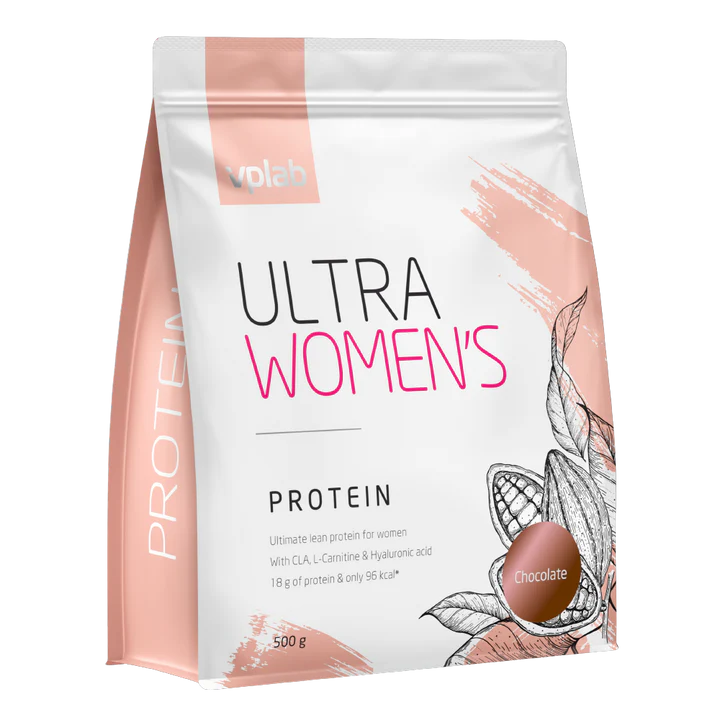
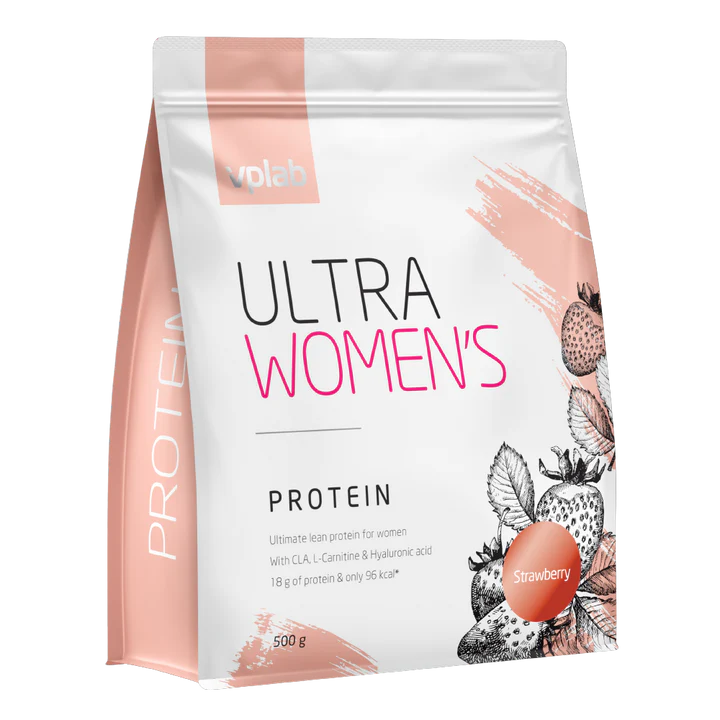
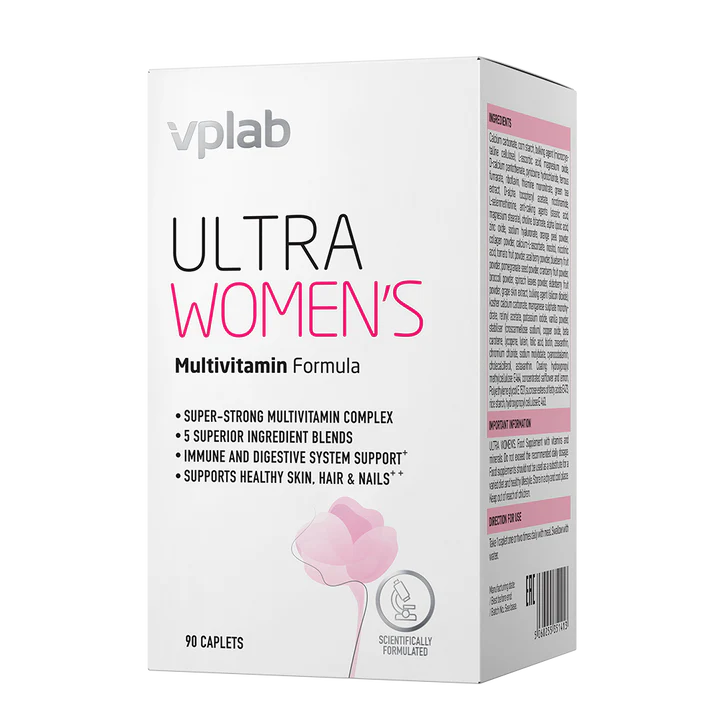
For women looking for a specific product, VPLab Ultra Women's Protein is a great choice and one of the best-selling products in the entire store. You can view the general range in the protein collection.
Best protein for weight loss
When losing weight, a lower-calorie isolate is best because it contains almost no carbohydrates or fat, and has the highest protein content. Protein keeps you fuller for longer and helps preserve muscle mass while total calorie intake is reduced – this ensures that weight loss comes from fat rather than muscle.
When losing weight, the daily requirement is often increased to 1.8–2.2 g/kg to protect muscles from wasting away. When combined with strength training and a strict calorie deficit, requirements may increase further – up to 2.3–3.1 g/kg of lean body mass, rather than total weight (Helms et al., 2014). This distinction is important: calculating based on total weight makes it easy to overestimate. Studies show that whey protein helps maintain muscle protein synthesis during a deficit (Hector et al., 2015).
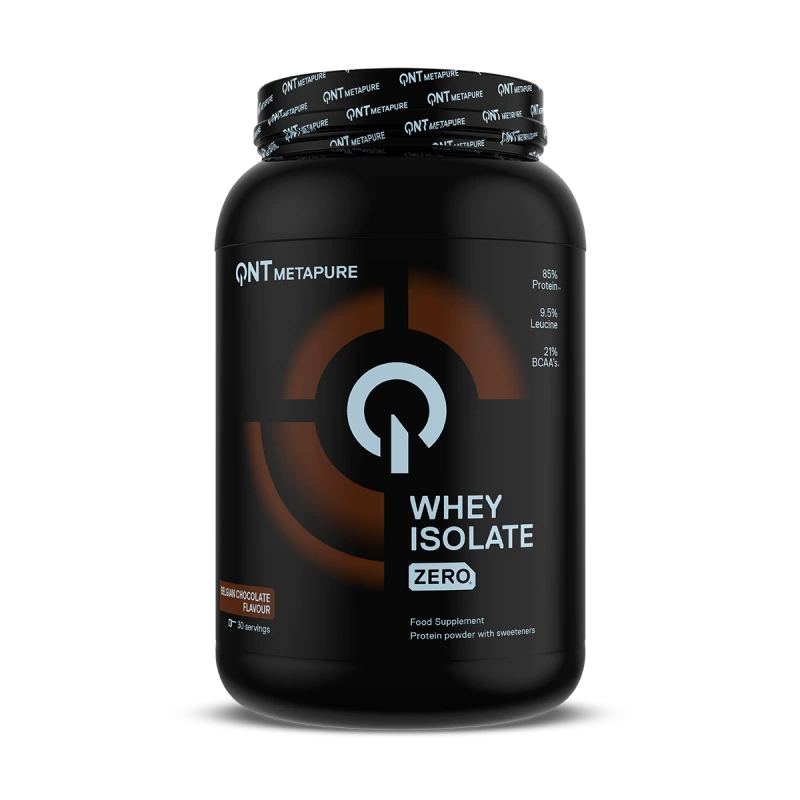
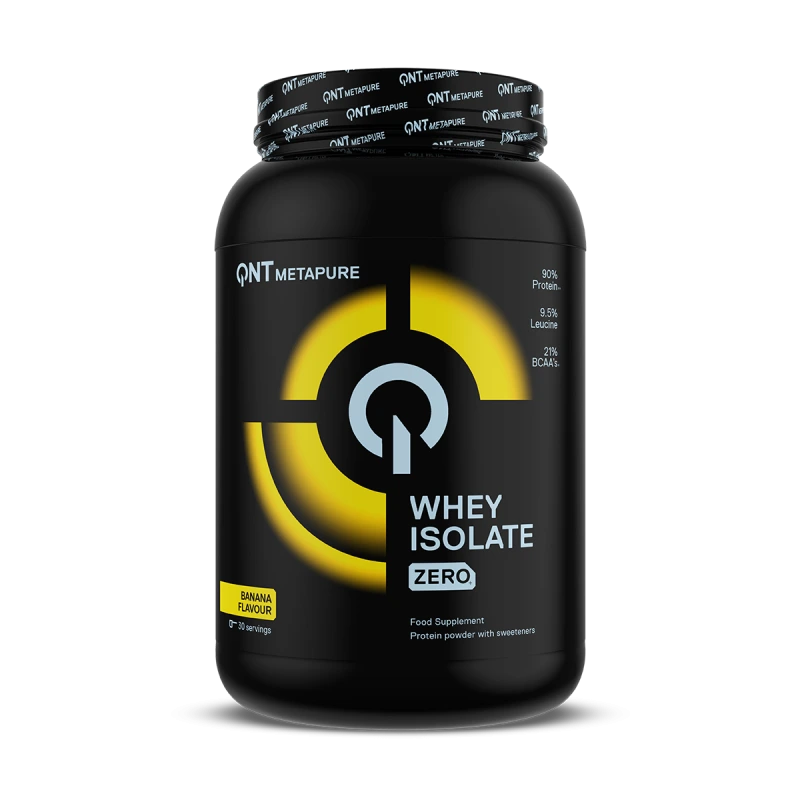
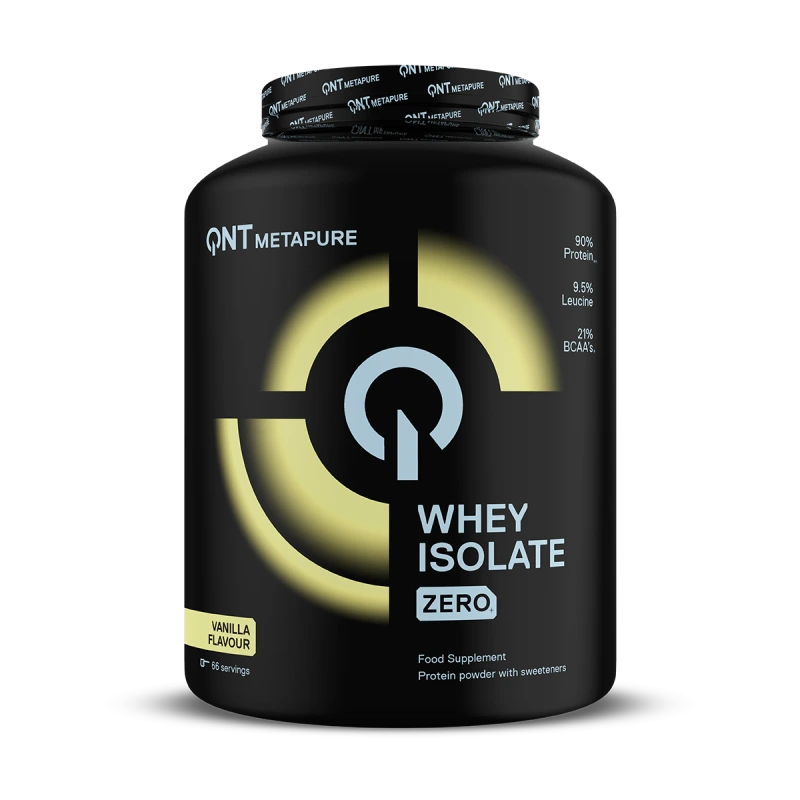
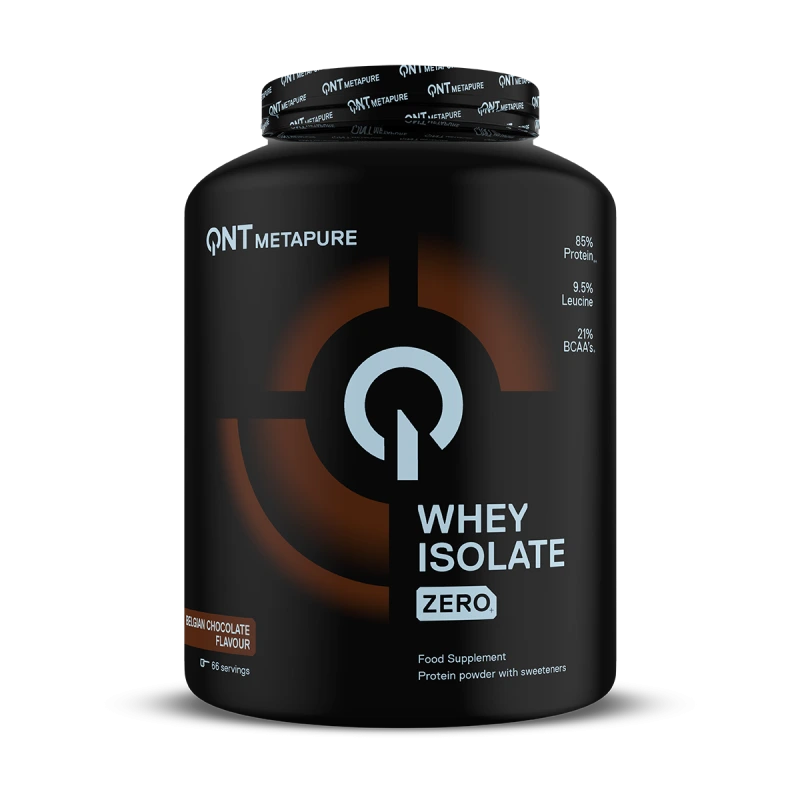
In practice, a pure isolate is suitable, for example, QNT Zero Carb Metapure or BioTechUSA Iso Whey Zero. You can find supplements more commonly chosen for weight loss in the weight loss collection.
Protein for those lactose intolerant
For people who are lactose intolerant, isolate or plant-based proteins are best because both are practically lactose-free. Isolate is filtered further during production, leaving only traces of lactose, unlike concentrates, which contain more. Due to the extra processing, isolate costs more, but for those who experience bloating or discomfort after taking concentrate, the price difference is often worth it.
Plant-based proteins are another alternative that is completely free of dairy components. They are suitable not only for those who are lactose intolerant but also for vegans and vegetarians, although, as mentioned, it is better to choose a combination of several plant sources for a more complete amino acid profile.
Hydrolysate can also be a solution: during production, proteins are pre-broken down, so lactose is reduced, though not as radically as in an isolate. You can find the entire range of lactose-free products in the lactose-free protein collection.
When and how much protein to take
Protein requirements depend on your goal, not on the principle of "the more, the better." The basic minimum is 0.8 g of protein per kilogram of body weight per day, but this norm is intended for inactive people and is not suitable for those who work out.
For those who exercise actively, 1.4–2.0 g/kg per day is recommended (Jäger et al., 2017). For a person weighing 70 kg, this means 98–140 g of protein daily. When losing weight, the requirement rises to 1.8–2.2 g/kg to preserve muscle mass and suppress hunger: for the same 70 kg person, this would be 126–154 g per day.
The timing of intake depends on the type chosen. Whey protein is best taken after a workout when the body needs a fast source of protein. Casein is worth taking before bed because its slow absorption over 6–8 hours provides muscles with protein throughout the night. Regardless of the time, the guiding rule remains the same – 20–30 g of protein per meal, rather than one large amount once a day.
You can calculate your precise daily requirement based on weight, activity, and goals with our protein calculator.
FAQ
What is the difference between "baltymai" and "proteinas"? In sports nutrition, these words are often used as synonyms. "Proteinas" usually refers to a specific supplement (powder), while "baltymai" is a broader concept that includes both food and supplements.
What is the best protein for a beginner? Protein concentrate (WPC) is most often recommended for beginners: it is universal, dissolves well, and is the least expensive of all whey types.
Does protein help with weight loss? Protein is digested more slowly than carbohydrates, so it keeps you fuller for longer. A higher-protein diet also helps preserve more muscle mass than a low-protein diet.
Is a high protein intake harmful to the kidneys? For healthy people, a higher protein intake does not harm the kidneys: a review of studies (Devries et al., 2018) found no changes in kidney function between healthy adults who consumed more or less protein. For those with pre-existing kidney disease, it is worth discussing protein intake with a doctor.
How much protein do I need per day? It depends on the goal: from 0.8 g/kg for basic needs to 1.4–2.2 g/kg for those exercising actively or losing weight. You will find the exact number based on your weight in the protein calculator.
A quick guide to choosing
There is no one universal answer to the question "which protein is best" – there is only the one that best suits your goal. For muscle building, choose isolate or concentrate after training; for weight loss, a lower-calorie isolate; and before bed, casein. If you are lactose intolerant, an isolate or plant-based protein solves the problem without additional discomfort.
The next step is simple: calculate your daily requirement based on your weight and goal, then choose a product from the corresponding category.