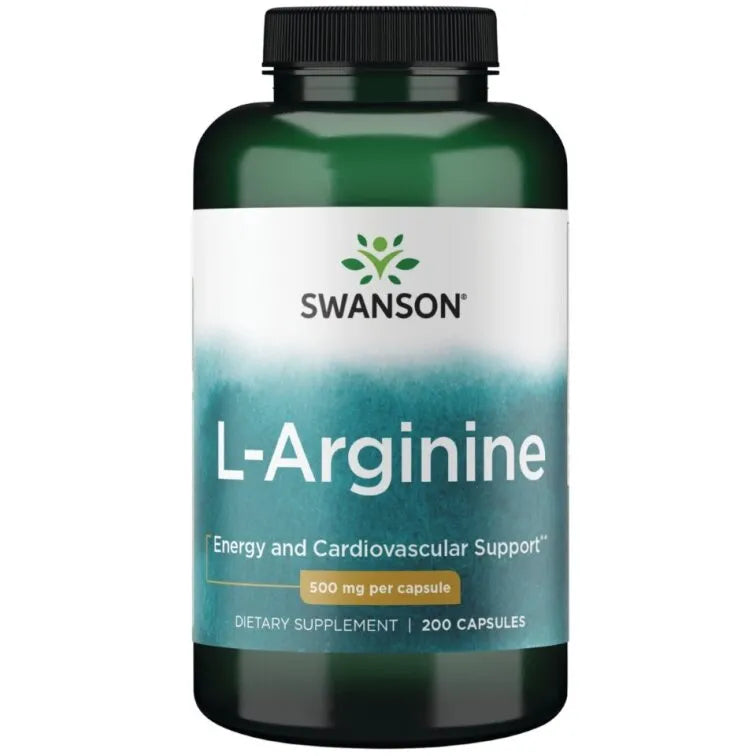




When you are in a muscle-building phase, you do everything to the maximum, sometimes more than you really need to: you lift impossible weights, eat too much protein, and take every supplement you can afford. After all, you want to make the most of this precious growth period, right? When it comes to supplements, if you're spending money on various mass gainers instead of buying food, you're on the wrong path. If your goal is to gain as much muscle mass as possible without adding extra fat to your body, this trio is just for you!
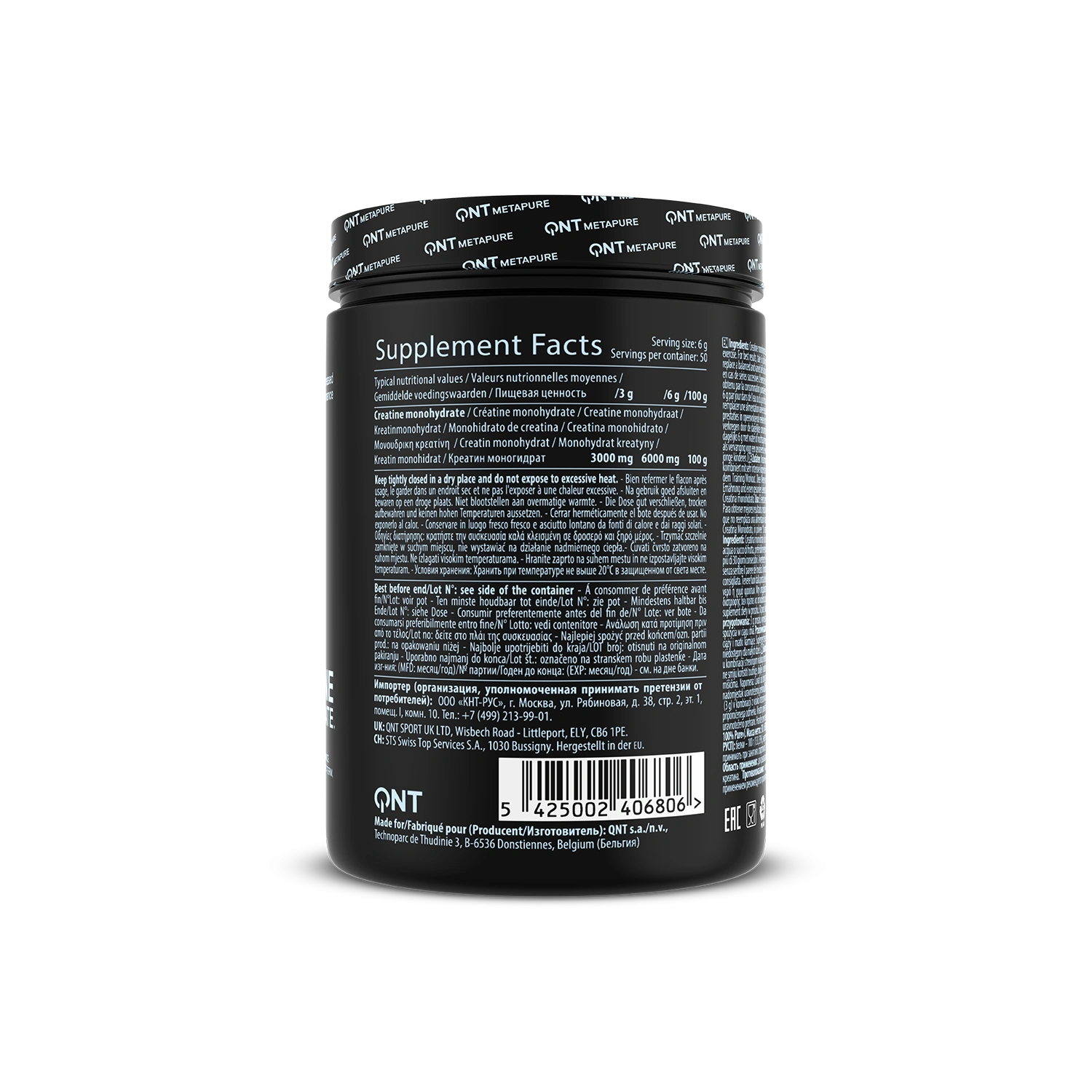
1. Creatine: More energy for more volume
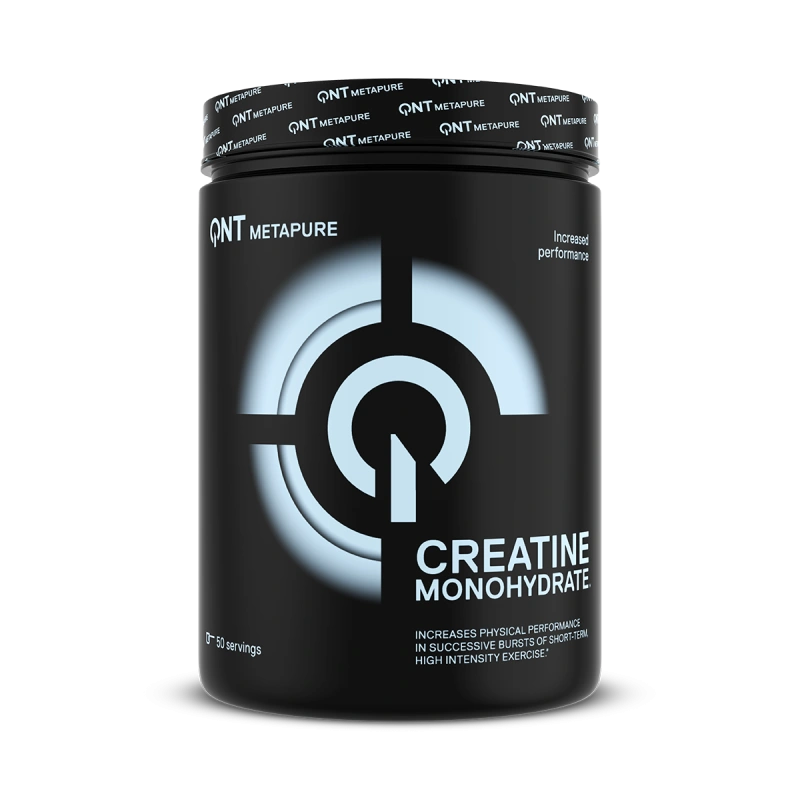
Creatine: a nitrogen-containing compound found in the muscles, nervous tissue, and blood of all vertebrates. About 95% of creatine in the human body is stored in skeletal muscles, with the rest in the heart and brain. Creatine is a natural compound of the amino acids arginine, methionine, and glycine produced in the liver, pancreas, and kidneys. Its production requires three enzymes: L-arginine-glycine amidinotransferase, guanidinoacetate methyltransferase, and methionine adenosyltransferase. In an adult human body, creatine synthesis depends more on the metabolism of arginine and methionine amino acids, and less on glycine. Creatine is one of the main energy sources for muscles, which is why fitness athletes use it very often, and some athletes even continue its cycle throughout the year, although this is not recommended. Many different creatine formulas have been released on the market: polyhydrate, hydrochloride formulas that do not retain water, mixed with probiotics, etc. But most commonly used is the monohydrate formula, which is time-tested and has the most acceptable price.

The amount of creatine you should consume daily depends on your goals. If you're not large, you can take 3-5 grams per day and slowly build up the creatine stores in your muscles. If your goal is to see quick results, you can start creatine consumption with a loading phase. For the first 5-7 days, take 5-7g of creatine five times a day, then switch to a maintenance phase and take 5-7g daily for the rest of the period. Both methods of consumption are effective when used over a longer period.
Don't be alarmed; when you use creatine supplements, you may notice some "bloating" during the loading phase in the first few weeks. For this reason, some athletes skip the loading phase and instead use 5-10g per day.
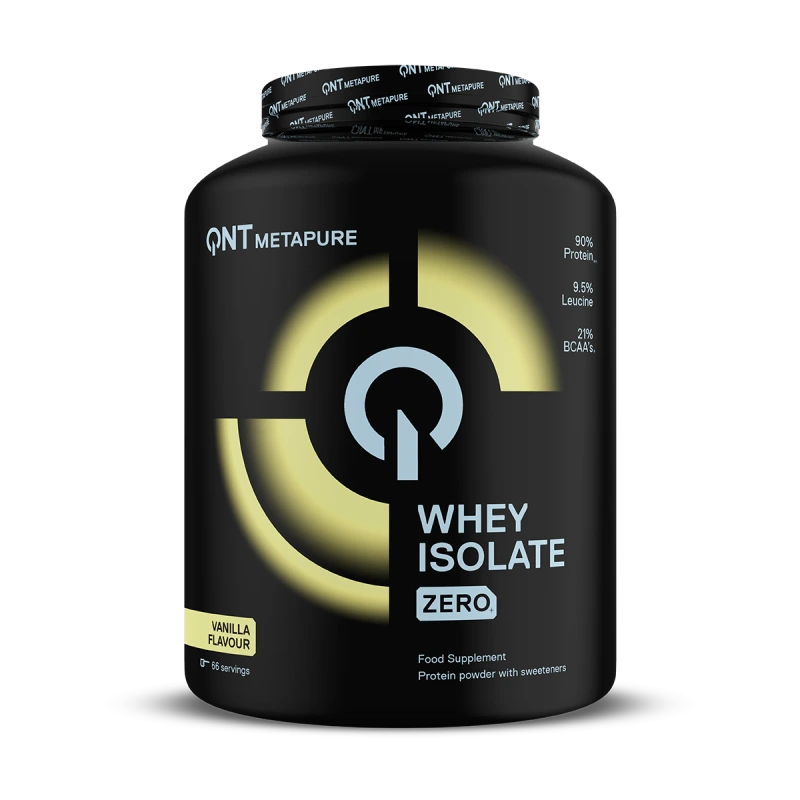
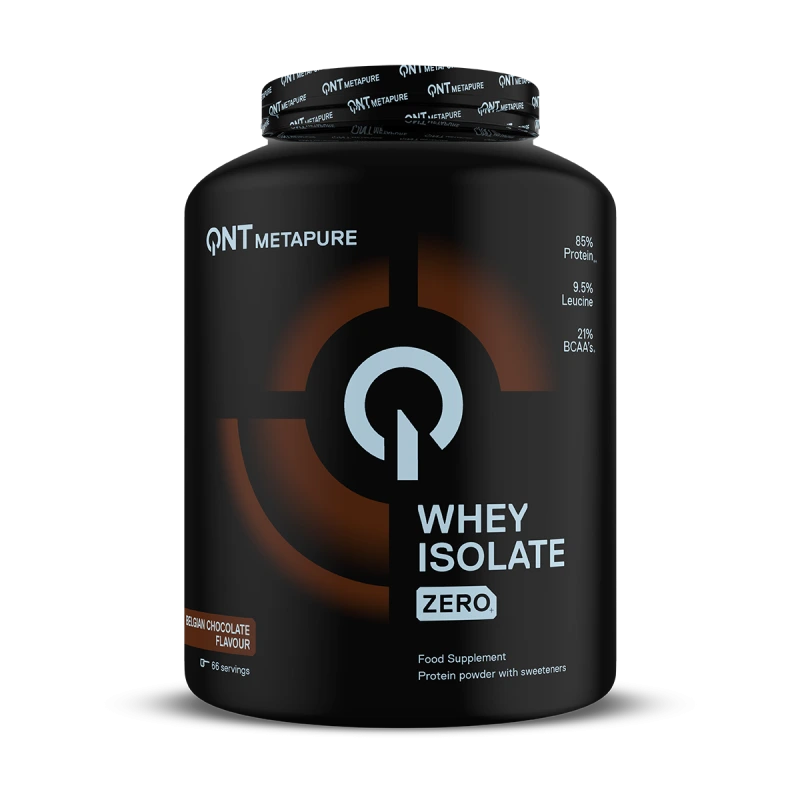
2. Whey Protein
According to some people, the only way to gain mass is to eat an inhumane amount of carbohydrates, but in the world of bodybuilding and fitness, it has long been known that it's practically impossible to gain lean muscle mass without consuming quality whey protein. And when it comes to quality protein, whey protein is king. Whey protein is a very quickly digestible, bioavailable form of protein. It has been found to stimulate or enhance muscle hypertrophy more than other proteins, including casein, soy, and even beef.
Studies in the "Journal of Nutrition and Metabolism" have shown that milk proteins, and especially whey, promote greater muscle hypertrophy than other amino acid sources. To get the full benefits of whey protein, you should consume it at least once a day, and perhaps twice, in a portion of about 20-30 grams. On training days, at least one serving should be consumed after a workout, at which point proteins will be synthesized immediately. Researchers from the University of Toronto found that consuming 25 grams of whey after a workout led to 67-69 percent greater protein synthesis than consuming carbohydrates alone. It was also found that consuming whey protein after exercise showed better recovery rates in 53-70 percent of people compared to athletes who only used carbohydrates after training.
3. Essential Amino Acids
Consuming a sufficient amount of protein can truly ensure significant muscle growth after hard and exhausting workouts. However, studies show that the more trained an athlete is, the more often their body experiences cyclical anabolic (muscle growth) and catabolic (muscle breakdown) periods. Timely initiation of these anabolic processes, when proteins are enriched with all essential amino acids (EAAs), can provide additional hypertrophy for your muscles.
Of course, some bodybuilders can achieve this goal by eating chicken breast and whey protein, which are digested throughout the day, but this doesn't always work. Food and whey significantly reduce appetite, and no matter how much you consume, that food simply won't be digested. On the other hand, essential amino acids can be consumed more or less like water.
Furthermore, more research indicates that amino acids or proteins consumed before a workout can enhance your anabolic response to exercise. This is where additional amino acids come in. EAAs are nine nitrogen-generating compounds that your body must obtain from dietary sources because it cannot produce them itself. Three of these nine are the most important, branched-chain amino acids (BCAAs). These three have a significant impact on insulin and glucose utilization in muscles, and leucine, in particular, is believed to be the most effective in stimulating muscle protein synthesis.
Leucine: an essential amino acid that participates in energy production, hormone production (e.g., growth hormone), and protein and DNA synthesis. Leucine is necessary for the immune, nervous, and endocrine system functions, helps regulate blood glucose concentration, inhibits protein breakdown processes after intense physical exertion, trauma, and stress. It is also essential for growth and nitrogen metabolism in the body. This amino acid lowers elevated blood pressure, stimulates bone, muscle, and skin growth and healing.
Isoleucine: an essential amino acid that participates in protein and deoxyribonucleic acid (DNA) synthesis, blood clotting processes, and immune system activity; it is necessary for hemoglobin production, its compound with amino acids valine and leucine is essential for maintaining muscle structure, promotes muscle recovery processes after intense long-duration physical exertion. If the body lacks isoleucine, muscle mass may decrease during intense training. A lack of leucine can cause hypoglycemia-like symptoms: weakness, fatigue, headache, dizziness.
Valine: an essential amino acid that, in its structure and functions, is similar to other branched-chain amino acids – leucine and isoleucine. It is part of fibrin and other proteins, participates in nervous system activity, maintains emotional stability and mental activity, reduces muscle fatigue. This amino acid can be an energy source for working muscles during long-duration intense exercise or stress. Valine, together with leucine, promotes anabolic reactions in muscles, participates in protein synthesis, and helps maintain a positive protein balance in the body.
Although a lot of information about branched-chain amino acids and leucine explains many positive anabolic reactions to proteins, a recent study from Sweden showed that EAAs stimulate muscle protein synthesis faster than BCAAs and leucine combined within the first 90 minutes after a workout. In fact, EAAs were 18 percent more effective than BCAAs.