



Articles
Articles

How ashwagandha can benefit you
A Brief Overview of Ashwagandha Ashwagandha, scientifically known as Withania somnifera, is a small shrub native to India and North Africa, used for its medicinal properties for over 3000 years. Its root, which has a distinct odor reminiscent of horse sweat (hence its name, translated from Sanskrit as "smell of a horse"), is the most commonly used part of the plant for its therapeutic benefits. The history of ashwagandha use is deeply rooted in ancient Ayurvedic medicine, where it is classified as a Rasayana – an herbal preparation that promotes longevity, rejuvenation, and vitality. Ayurvedic texts, dating back to 6000 BCE, refer to ashwagandha as a potent herb capable of combating various ailments from stress to insomnia. Research has shown that ashwagandha contains biologically active compounds such as withanolides, alkaloids, and steroidal lactones, which may contribute to its diverse therapeutic effects. Despite its growing popularity, ashwagandha remains surrounded by myths and misconceptions. One common myth is that ashwagandha is a sedative herb that causes drowsiness. While it does possess calming properties that can aid relaxation and sleep, it does not have a sedative effect similar to prescription drugs. Another myth is that ashwagandha is only beneficial for men, particularly in enhancing masculinity and fertility. In reality, ashwagandha offers a wide range of benefits for individuals of all genders and ages, supporting overall health and well-being. What is Ashwagandha? Ashwagandha is also known as Indian ginseng. This small evergreen shrub, native to the arid regions of India, the Middle East, and North Africa, thrives in dry climates and sandy soils. The roots, which are harvested and dried for medicinal use, contain the highest concentration of bioactive compounds responsible for ashwagandha's therapeutic effects. Ashwagandha's effects stem from a blend of biologically active compounds, with withanolides being the main component. These naturally occurring steroidal lactones possess adaptogenic properties, helping the body adapt to stressors and maintain homeostasis. Determining the appropriate ashwagandha dosage is crucial for optimizing its benefits and minimizing the risk of adverse effects. Dosage recommendations can vary depending on factors such as age, weight, overall health status, and the specific supplement formulation. Generally, most studies suggest a daily dose of 300-600 milligrams of standardized extract, typically containing 5% withanolides. However, to assess individual sensitivity and response, it is essential to start with a lower dose and gradually increase it as tolerated. Additionally, to ensure safe and effective supplementation, it is advisable to follow the manufacturer's instructions and adhere to any warnings or precautions listed on the product label. Benefits of Ashwagandha Ashwagandha Helps Reduce Anxiety and Stress Ashwagandha, with its adaptogenic properties, is a powerful ally in combating stress and anxiety. Adaptogens are natural substances that help the body adapt to stressors, promoting resilience and balance. Ashwagandha's adaptogenic qualities allow it to modulate the body's stress response system, helping to mitigate the negative effects of chronic stress. By regulating cortisol levels – the primary stress hormone – ashwagandha promotes a state of equilibrium, allowing individuals to navigate life's challenges with greater ease and calm. Numerous studies have investigated ashwagandha's effect on cortisol levels, revealing its potential to induce a profound sense of tranquility and relaxation. Research indicates that ashwagandha supplements can significantly reduce cortisol levels, especially in those experiencing chronic stress or anxiety. By inhibiting the body's stress response, ashwagandha paves the way for improved emotional well-being and mental clarity. Unlike stimulants, which provide short-term bursts of energy, ashwagandha offers sustained vitality. By leveraging its adaptogenic properties, ashwagandha helps optimize energy levels while promoting a sense of balance and equilibrium. Ashwagandha Improves Sleep Quality Adequate sleep is crucial for replenishing energy reserves, maintaining cognitive functions, and supporting overall health. If you have trouble sleeping—difficulty falling asleep, frequent awakenings, or waking up unrefreshed—your body needs help, as a state of constant fatigue can eventually lead to the onset or exacerbation of various diseases. By promoting relaxation and accelerating the onset of sleep and extending sleep duration, ashwagandha helps people get restful sleep. Ashwagandha Aids Muscle Recovery According to scientific research, withanolides derived from ashwagandha help muscle recovery, making ashwagandha valuable in sports medicine. Ashwagandha Improves Reproductive Functions A meta-analysis found that ashwagandha improves reproductive system function. The use of ashwagandha preparations helps women relax, which helps them get aroused and achieve orgasm faster. Other studies have shown that ashwagandha extracts improve male sperm quality. Ashwagandha Usage Typically, ashwagandha is taken in standard doses of 250-1250 mg per day; this amount can be consumed either at once or divided throughout the day. The amount can, of course, vary significantly depending on the concentration of withanolides. Ashwagandha can be taken on an empty stomach or with food. However, there will be no effect from a few random uses – to feel the effect, ashwagandha should be used for several months. Like any dietary supplement, ashwagandha should be taken according to health status and recommendations. As with any dietary supplement, the use of ashwagandha should be discussed with a doctor for those taking medications, as well as pregnant or breastfeeding women. No dietary supplement can replace a healthy diet, work-rest regimen, or physical activity, so it is first necessary to ensure adequate nutrition, physical activity, and a healthy lifestyle. Ashwagandha can be taken in various forms, the most common of which are capsules and powders. It is important not to exceed the recommended daily dose. The price of ashwagandha supplements can vary significantly from one another – it is important to assess the concentration of the active ingredient (what proportion of the supplement is ashwagandha extract and how many withanolides are in that extract) and the quantity of the supplement (weight in grams or number of tablets). Ashwagandha - What to Remember In conclusion, ashwagandha is a plant that can provide diverse benefits for your health. From stress reduction and anxiety management to immune support and increased alertness, ashwagandha's adaptogenic properties make it a valuable dietary supplement.

Top 3 supplements for muscle growth
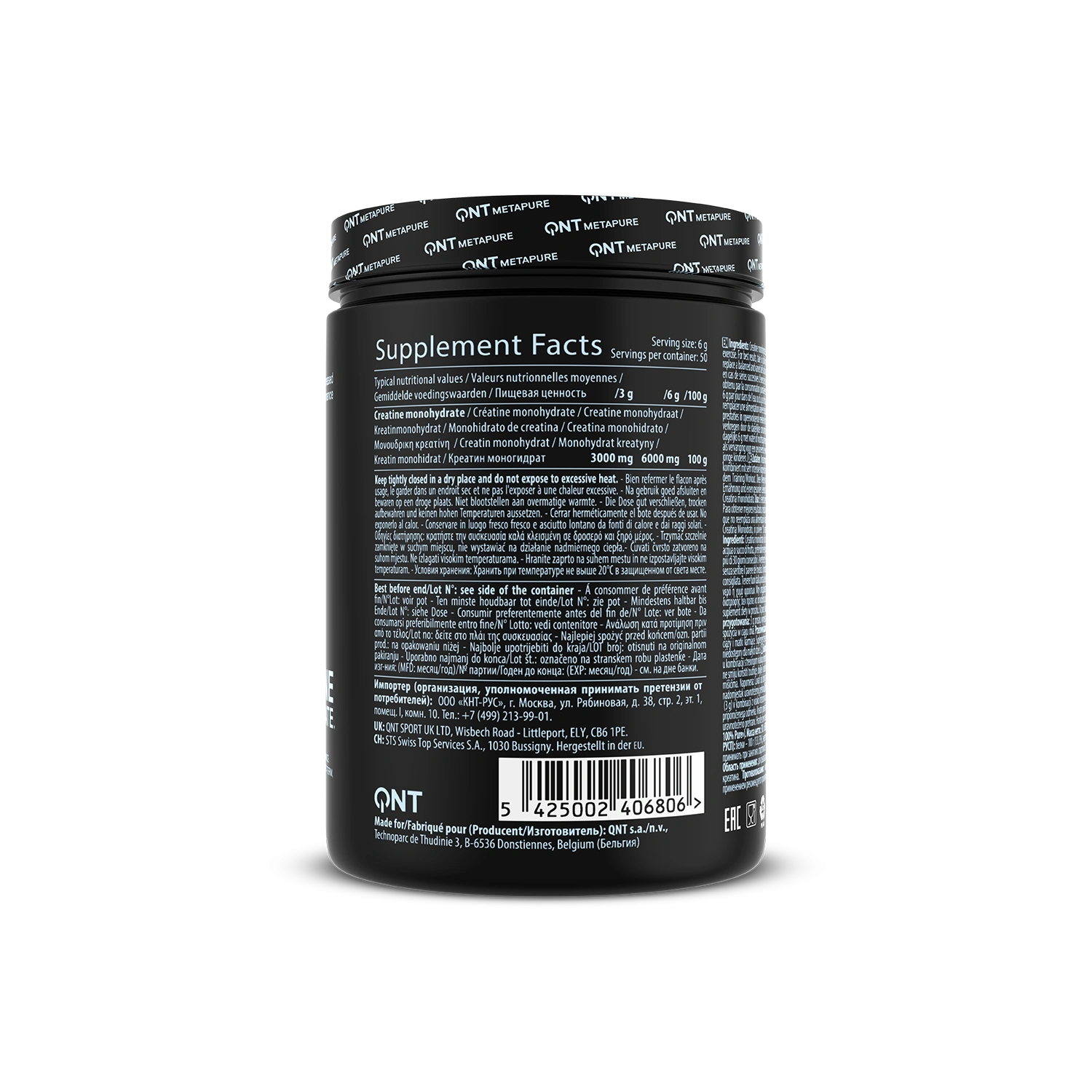
When you are in a muscle-building phase, you do everything to the maximum, sometimes more than you really need to: you lift impossible weights, eat too much protein, and take every supplement you can afford. After all, you want to make the most of this precious growth period, right? When it comes to supplements, if you're spending money on various mass gainers instead of buying food, you're on the wrong path. If your goal is to gain as much muscle mass as possible without adding extra fat to your body, this trio is just for you! 1. Creatine: More energy for more volume Creatine: a nitrogen-containing compound found in the muscles, nervous tissue, and blood of all vertebrates. About 95% of creatine in the human body is stored in skeletal muscles, with the rest in the heart and brain. Creatine is a natural compound of the amino acids arginine, methionine, and glycine produced in the liver, pancreas, and kidneys. Its production requires three enzymes: L-arginine-glycine amidinotransferase, guanidinoacetate methyltransferase, and methionine adenosyltransferase. In an adult human body, creatine synthesis depends more on the metabolism of arginine and methionine amino acids, and less on glycine. Creatine is one of the main energy sources for muscles, which is why fitness athletes use it very often, and some athletes even continue its cycle throughout the year, although this is not recommended. Many different creatine formulas have been released on the market: polyhydrate, hydrochloride formulas that do not retain water, mixed with probiotics, etc. But most commonly used is the monohydrate formula, which is time-tested and has the most acceptable price. The amount of creatine you should consume daily depends on your goals. If you're not large, you can take 3-5 grams per day and slowly build up the creatine stores in your muscles. If your goal is to see quick results, you can start creatine consumption with a loading phase. For the first 5-7 days, take 5-7g of creatine five times a day, then switch to a maintenance phase and take 5-7g daily for the rest of the period. Both methods of consumption are effective when used over a longer period. Don't be alarmed; when you use creatine supplements, you may notice some "bloating" during the loading phase in the first few weeks. For this reason, some athletes skip the loading phase and instead use 5-10g per day. 2. Whey Protein According to some people, the only way to gain mass is to eat an inhumane amount of carbohydrates, but in the world of bodybuilding and fitness, it has long been known that it's practically impossible to gain lean muscle mass without consuming quality whey protein. And when it comes to quality protein, whey protein is king. Whey protein is a very quickly digestible, bioavailable form of protein. It has been found to stimulate or enhance muscle hypertrophy more than other proteins, including casein, soy, and even beef. Studies in the "Journal of Nutrition and Metabolism" have shown that milk proteins, and especially whey, promote greater muscle hypertrophy than other amino acid sources. To get the full benefits of whey protein, you should consume it at least once a day, and perhaps twice, in a portion of about 20-30 grams. On training days, at least one serving should be consumed after a workout, at which point proteins will be synthesized immediately. Researchers from the University of Toronto found that consuming 25 grams of whey after a workout led to 67-69 percent greater protein synthesis than consuming carbohydrates alone. It was also found that consuming whey protein after exercise showed better recovery rates in 53-70 percent of people compared to athletes who only used carbohydrates after training. 3. Essential Amino Acids Consuming a sufficient amount of protein can truly ensure significant muscle growth after hard and exhausting workouts. However, studies show that the more trained an athlete is, the more often their body experiences cyclical anabolic (muscle growth) and catabolic (muscle breakdown) periods. Timely initiation of these anabolic processes, when proteins are enriched with all essential amino acids (EAAs), can provide additional hypertrophy for your muscles. Of course, some bodybuilders can achieve this goal by eating chicken breast and whey protein, which are digested throughout the day, but this doesn't always work. Food and whey significantly reduce appetite, and no matter how much you consume, that food simply won't be digested. On the other hand, essential amino acids can be consumed more or less like water. Furthermore, more research indicates that amino acids or proteins consumed before a workout can enhance your anabolic response to exercise. This is where additional amino acids come in. EAAs are nine nitrogen-generating compounds that your body must obtain from dietary sources because it cannot produce them itself. Three of these nine are the most important, branched-chain amino acids (BCAAs). These three have a significant impact on insulin and glucose utilization in muscles, and leucine, in particular, is believed to be the most effective in stimulating muscle protein synthesis. Leucine: an essential amino acid that participates in energy production, hormone production (e.g., growth hormone), and protein and DNA synthesis. Leucine is necessary for the immune, nervous, and endocrine system functions, helps regulate blood glucose concentration, inhibits protein breakdown processes after intense physical exertion, trauma, and stress. It is also essential for growth and nitrogen metabolism in the body. This amino acid lowers elevated blood pressure, stimulates bone, muscle, and skin growth and healing. Isoleucine: an essential amino acid that participates in protein and deoxyribonucleic acid (DNA) synthesis, blood clotting processes, and immune system activity; it is necessary for hemoglobin production, its compound with amino acids valine and leucine is essential for maintaining muscle structure, promotes muscle recovery processes after intense long-duration physical exertion. If the body lacks isoleucine, muscle mass may decrease during intense training. A lack of leucine can cause hypoglycemia-like symptoms: weakness, fatigue, headache, dizziness. Valine: an essential amino acid that, in its structure and functions, is similar to other branched-chain amino acids – leucine and isoleucine. It is part of fibrin and other proteins, participates in nervous system activity, maintains emotional stability and mental activity, reduces muscle fatigue. This amino acid can be an energy source for working muscles during long-duration intense exercise or stress. Valine, together with leucine, promotes anabolic reactions in muscles, participates in protein synthesis, and helps maintain a positive protein balance in the body. Although a lot of information about branched-chain amino acids and leucine explains many positive anabolic reactions to proteins, a recent study from Sweden showed that EAAs stimulate muscle protein synthesis faster than BCAAs and leucine combined within the first 90 minutes after a workout. In fact, EAAs were 18 percent more effective than BCAAs.

FAT BURNERS. 7 WAYS TO LOSE WEIGHT FASTER
Weight loss supplements (Fat burners) are not magic capsules that will produce miraculous results just by taking them; fats won't disappear on their own. However, by following the seven suggested steps, you can ease your journey to that dreamed-of "perfect" body! A properly balanced diet and intense workouts are your most important weapons. You simply cannot get rid of fat without hard work in the gym and kitchen. However, well-formulated fat burners can help you see your desired results faster. The supplement market is overflowing with fat burners that boost metabolism, have a thermogenic effect, suppress appetite, or block carbohydrate and fat absorption. But burners won't have a significant impact without dedicated effort. We have prepared 7 steps for you that will increase the effectiveness of fat burners and help you get rid of fat layers more easily. 1. Choose the right path Just like everything in life, what you invest and how hard you pursue your goal is what you will get; the path to weight loss is similar. You cannot simply buy a fat burner and expect it to fix everything. As mentioned earlier, there are no magic pills. Many products are designed not only to enhance fat burning but also to curb appetite and provide more energy. A quality fat burner will help you achieve your desired goal more easily, but again, you should also have a complete and suitable workout program in your hands. 2. Choose the right burner for you There are many products on the market, so finding the right fat burner for your goals can sometimes be challenging. However, there are a few tips that can help. Fat burners are usually divided into two broad categories: those with stimulants and those without. Stimulant-containing burners will include ingredients such as caffeine, synephrine, tyramine, and yohimbine (or Yohimbe). These ingredients will help you get more energy, suppress appetite, and increase fat release from fat cells (to burn fat as energy).Burners without stimulants usually contain components such as:green tea extract, various carnitine formulas, such as acetyl-L-carnitine; appetite-suppressing ingredients like Caralluma fimbriata extract, or Phaseolus vulgaris (white beans) and Cynara scolymus (artichoke) extract. These are suitable for people who are sensitive to stimulant-containing substances, such as those mentioned above. 3. Timing is key Since fat burning requires a diet plan with a caloric deficit, we recommend choosing products with an appetite-suppressing effect. Take the burner 30 minutes before breakfast and lunch. If you chose a burner without stimulants, you can take a serving before dinner as well. This will not only help ensure a feeling of fullness after meals but also speed up your metabolism. 4. Water Thanks to fat burners, your metabolism speeds up significantly, and you will notice that you sweat more. Additionally, stimulants like caffeine have a diuretic effect, so you may need to visit the restroom more often. These conditions can lead to dehydration and slow down your metabolism. Drinking 2.5-3.5 liters of water per day will keep you from feeling hungry, make you much more energetic, and it has been proven to accelerate metabolism and, with it, fat-burning processes. Recommendation: drink at least 1 cup (250 ml) of water with each serving of fat burner to ensure optimal absorption and hydration. If you exercise in a hot environment and sweat for an extended period, you may need to double your water intake. 5. Cycle your burners Over time, the body becomes resistant to certain ingredients. Adaptation also occurs with stimulants. Furthermore, too many stimulants can lead to elevated cortisol levels (a hormone that breaks down muscle and promotes fat storage). To avoid these unnecessary processes, it is recommended to cycle burners with and without stimulants. The optimal option is to use stronger burners for 3-4 weeks and then take two weeks off from them. During these two weeks, you can incorporate weaker burners (without stimulants). 6. Get enough rest One of the most important, yet often overlooked, steps on the path to lean muscle gain is deep sleep. In fact, some people who use fat burners simply get extra energy for work because they constantly suffer from lack of sleep. Unfortunately, this approach can increase the level of the aforementioned hormone cortisol in the blood and may reduce testosterone production, and these processes will significantly slow down your progress. Sleep is essential for recovery, regeneration, and hormonal balance. You've likely heard this before: eight hours of deep sleep per night. If you notice that your fat burners interfere with sleep, do not take supplements with stimulants later than 5-6 PM. This applies not only to burners but also to pre-workout supplements, creatine blends with stimulants, and so on. 7. Benefits of caffeine and green tea extract If you truly want to significantly boost your metabolism, choose a burner that contains caffeine and green tea extract. Take 1 serving immediately upon waking, and another 30 minutes before your cardio. Most people don't consider the thermogenic effect of green tea, focusing only on the effects of caffeine, but this isn't entirely accurate. When these two components are biochemically combined, the catechin-polyphenol (ECGC) in green tea, when combined with caffeine, releases norepinephrine (NE), and the synergistic action stops NE reuptake, providing energy for a longer period.Norepinephrine is a key factor in the process of fat burning and breakdown, as well as appetite suppression. Previous studies have shown that individuals who used green tea extract before cardio achieved significantly better fat burning results than those who took a placebo. Thanks to caffeine, energy released from fats is used as fuel to nourish the body; caffeine improves focus and provides motivation. It has been proven that caffeine reduces muscle soreness associated with weightlifting. You will work harder and longer, achieving your desired results faster.

Which proteins are the best? How to choose a protein supplement based on your goal
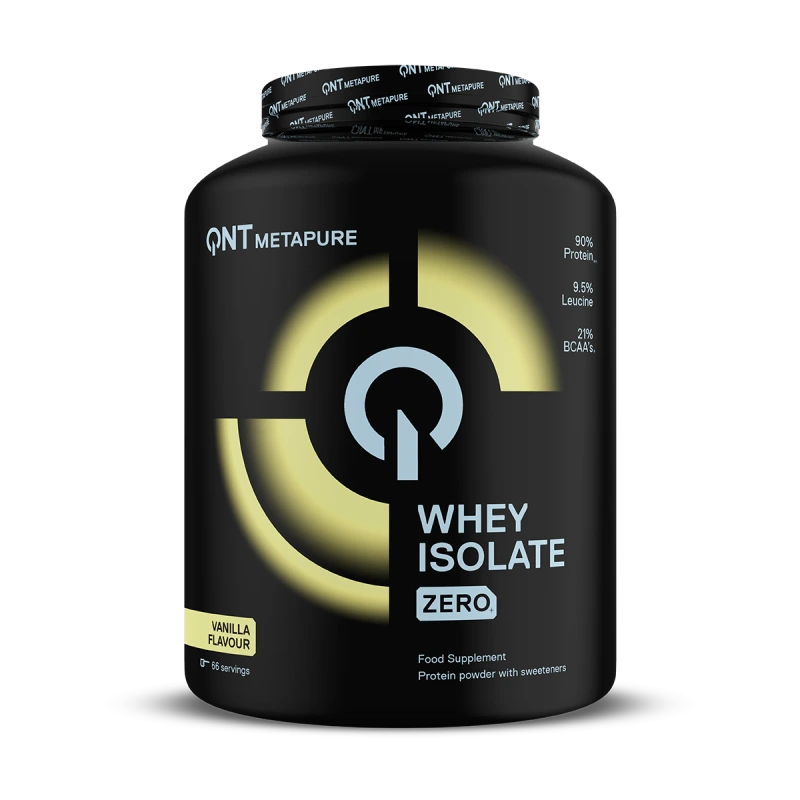
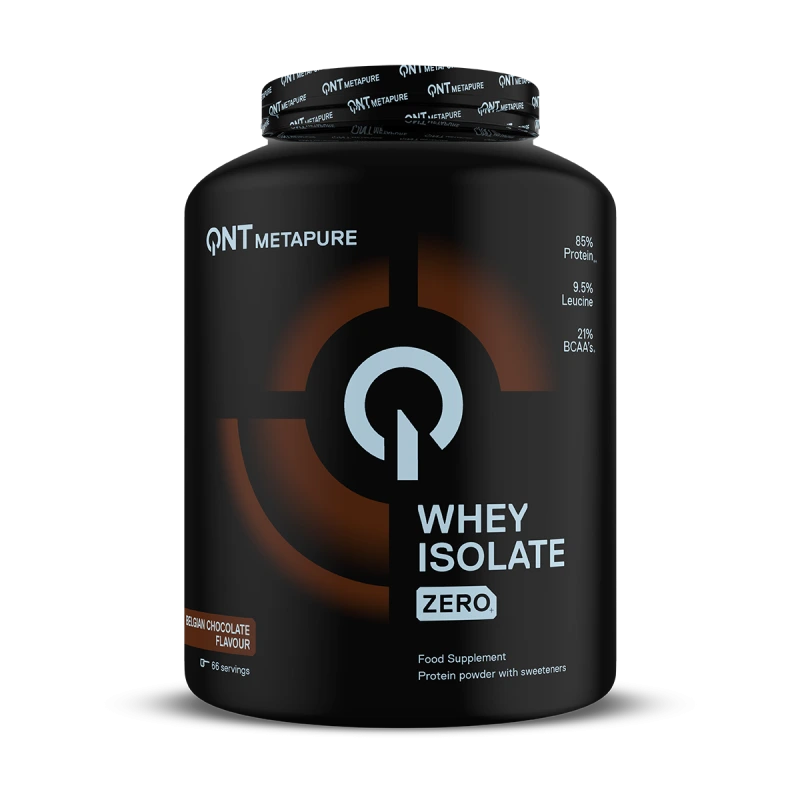
Updated: July 24, 2026There are dozens of protein supplements on store shelves, and the question "which protein is best" has no single answer. The best protein depends on your goal: muscle building, weight loss, or lactose intolerance. In this article, you will find a comparison table of types, specific dosages in grams, and answers to frequently asked questions so that you can choose a product based on reasoning rather than chance.Which protein is best?The short answer depends on your goal: for muscle building, an isolate or concentrate is best; for weight loss, a lower-calorie isolate; and before bed, casein. If you are lactose intolerant, choose an isolate or a plant-based protein: both are practically lactose-free. In sports nutrition, the words "protein" (baltymai) and "protein" (proteinas) are often used interchangeably, although "proteinas" usually refers to a specific supplement, while "baltymai" is a broader concept that encompasses both food and supplements.Each type differs in protein content, absorption rate, and price. You will find a detailed comparison in the table below.Types of protein and how they differThe five main types of protein supplements differ in how they are processed and, consequently, in their properties. When making cheese, a byproduct called whey remains. It is processed into powder: fat, lactose, and water are removed, and flavorings and sweeteners are added. This results in whey protein, which forms the basis for concentrates, isolates, and hydrolysates. Type Protein per serving Absorption rate When to take Price Best for Protein concentrate (WPC) 70–80% medium any time of day lowest universal, for beginners Protein isolate (WPI) 85–90% fast post-workout medium–high those wanting fewer calories, lactose-sensitive Hydrolysate up to 90% fastest immediately after intense exercise highest athletes needing rapid absorption Casein 75–85% slow (6–8 hrs) before bed medium sustained protein delivery at night Plant-based protein varies by source medium–slow any time of day medium–high vegans, lactose intolerant Isolate is filtered further, meaning it contains more protein and fewer calories per serving. The same filtration process removes almost all lactose, making isolate much easier to digest for those sensitive to it. You pay slightly more for this additional processing than you would for a concentrate.The quality of plant-based proteins varies significantly and depends on amino acid digestibility, indicated by the PDCAAS (Protein Digestibility Corrected Amino Acid Score). Whey concentrate and isolate score 1.00, soy isolate 0.98, pea protein about 0.89, while hemp and rice proteins score significantly lower, around 0.4–0.5. The position of the International Society of Sports Nutrition (Jäger et al., 2017) discusses protein quality and the combining of sources. A newer, more accurate metric is the DIAAS (Digestible Indispensable Amino Acid Score): it is increasingly used instead of PDCAAS as it more accurately reflects the actual absorption of amino acids in the intestines.In practice, this means it is worth combining one plant source with another, such as pea protein with rice, to obtain a more complete amino acid profile. You can find concentrates, isolates, and casein in their respective collections: protein, protein isolate, casein, whey protein (WPC), and plant-based protein.Best protein for muscle buildingFor muscle growth, isolate or concentrate is best, taken after a workout in doses of 20–40 g per meal. This dosage effectively stimulates muscle protein synthesis (Jäger et al., 2017). A smaller dose may not fully activate synthesis, while more than 40 g at once typically provides no additional benefit to muscles.The total daily intake for an athlete building muscle is 1.4–2.0 g of protein per kilogram of body weight. A meta-analysis by Morton et al. (2018), involving over 1,800 participants, showed that the benefit to muscle mass plateaus at around 1.6 g/kg on average, though the individual limit may reach 2.2 g/kg. In other words, for some people, a higher amount still provides a slight additional effect, but for the average person who works out, a larger dose does not necessarily mean faster progress.The "anabolic window" myth is also worth noting. It was long believed that protein needed to be consumed within 30 minutes of a workout, but newer studies suggest a much wider window – up to 3–5 hours, depending on the total daily protein intake (Aragon and Schoenfeld, 2013). This means that not having a shake immediately after training does not significantly affect results if you eat a protein-rich meal within the next few hours.Digestive comfort is also important: for some people, it is not just the amount of protein that matters, but how easily the product is digested. In this case, supplements with digestive enzymes are suitable, such as QNT Light Digest Whey Protein – it is one of the best-selling products in the store precisely because of the combination of easy digestion and concentrated protein. You can find ideas for protein-rich meals alongside supplements in our article on the 10 best foods for muscle mass growth.Best protein for womenThe best protein for women does not differ significantly from what is suitable for men: men's and women's bodies absorb protein the same way. The only differences are individual body weight, activity levels, and goals, not gender. A woman looking to build muscle can use the same isolate or concentrate as a man, with the dosage adjusted to her body weight.A stereotype still prevalent in the market is that "women's" protein must be very low in protein and carbohydrates and have a sweet taste. This marketing approach is not scientifically grounded: protein requirements are determined by muscle mass, activity, and goals, not by gender itself.It is worth mentioning another myth: collagen as "women's protein." Collagen proteins are not complete because they lack several essential amino acids, particularly leucine, which is the most important activator of muscle protein synthesis. Therefore, collagen complements the diet but should not replace the primary protein source.For women looking for a specific product, VPLab Ultra Women's Protein is a great choice and one of the best-selling products in the entire store. You can view the general range in the protein collection.Best protein for weight lossWhen losing weight, a lower-calorie isolate is best because it contains almost no carbohydrates or fat, and has the highest protein content. Protein keeps you fuller for longer and helps preserve muscle mass while total calorie intake is reduced – this ensures that weight loss comes from fat rather than muscle.When losing weight, the daily requirement is often increased to 1.8–2.2 g/kg to protect muscles from wasting away. When combined with strength training and a strict calorie deficit, requirements may increase further – up to 2.3–3.1 g/kg of lean body mass, rather than total weight (Helms et al., 2014). This distinction is important: calculating based on total weight makes it easy to overestimate. Studies show that whey protein helps maintain muscle protein synthesis during a deficit (Hector et al., 2015).In practice, a pure isolate is suitable, for example, QNT Zero Carb Metapure or BioTechUSA Iso Whey Zero. You can find supplements more commonly chosen for weight loss in the weight loss collection.Protein for those lactose intolerantFor people who are lactose intolerant, isolate or plant-based proteins are best because both are practically lactose-free. Isolate is filtered further during production, leaving only traces of lactose, unlike concentrates, which contain more. Due to the extra processing, isolate costs more, but for those who experience bloating or discomfort after taking concentrate, the price difference is often worth it.Plant-based proteins are another alternative that is completely free of dairy components. They are suitable not only for those who are lactose intolerant but also for vegans and vegetarians, although, as mentioned, it is better to choose a combination of several plant sources for a more complete amino acid profile.Hydrolysate can also be a solution: during production, proteins are pre-broken down, so lactose is reduced, though not as radically as in an isolate. You can find the entire range of lactose-free products in the lactose-free protein collection.When and how much protein to takeProtein requirements depend on your goal, not on the principle of "the more, the better." The basic minimum is 0.8 g of protein per kilogram of body weight per day, but this norm is intended for inactive people and is not suitable for those who work out.For those who exercise actively, 1.4–2.0 g/kg per day is recommended (Jäger et al., 2017). For a person weighing 70 kg, this means 98–140 g of protein daily. When losing weight, the requirement rises to 1.8–2.2 g/kg to preserve muscle mass and suppress hunger: for the same 70 kg person, this would be 126–154 g per day.The timing of intake depends on the type chosen. Whey protein is best taken after a workout when the body needs a fast source of protein. Casein is worth taking before bed because its slow absorption over 6–8 hours provides muscles with protein throughout the night. Regardless of the time, the guiding rule remains the same – 20–30 g of protein per meal, rather than one large amount once a day.You can calculate your precise daily requirement based on weight, activity, and goals with our protein calculator.FAQWhat is the difference between "baltymai" and "proteinas"? In sports nutrition, these words are often used as synonyms. "Proteinas" usually refers to a specific supplement (powder), while "baltymai" is a broader concept that includes both food and supplements.What is the best protein for a beginner? Protein concentrate (WPC) is most often recommended for beginners: it is universal, dissolves well, and is the least expensive of all whey types.Does protein help with weight loss? Protein is digested more slowly than carbohydrates, so it keeps you fuller for longer. A higher-protein diet also helps preserve more muscle mass than a low-protein diet.Is a high protein intake harmful to the kidneys? For healthy people, a higher protein intake does not harm the kidneys: a review of studies (Devries et al., 2018) found no changes in kidney function between healthy adults who consumed more or less protein. For those with pre-existing kidney disease, it is worth discussing protein intake with a doctor.How much protein do I need per day? It depends on the goal: from 0.8 g/kg for basic needs to 1.4–2.2 g/kg for those exercising actively or losing weight. You will find the exact number based on your weight in the protein calculator.A quick guide to choosingThere is no one universal answer to the question "which protein is best" – there is only the one that best suits your goal. For muscle building, choose isolate or concentrate after training; for weight loss, a lower-calorie isolate; and before bed, casein. If you are lactose intolerant, an isolate or plant-based protein solves the problem without additional discomfort.The next step is simple: calculate your daily requirement based on your weight and goal, then choose a product from the corresponding category.

5 THINGS THAT ARE STOPPING YOUR PROGRESS
5 things that hinder your progress. You want to maintain your usual routine and dedicate yourself to it one hundred percent, but then reality knocks on the door. IFBB PRO athlete Craig Capurso presents five mistakes that can spoil your daily routine and how to fix them. There are no obviously valid reasons not to go to the gym, or for those reasons to prevent you from having an intense and difficult workout once you're there. Craig Capurso has heard them all and has broken them down into these five simple problems. It's all about focusing on your goals and not letting anyone prevent you from achieving them. 1. You do it for other people. This creates a lot of pressure, which affects how you spend your day: children, work, family, friends. We all need to do what we have to do, but what should you do for yourself? Look closely in the mirror. What do you want to achieve each day? Find that thing, then make sure you give yourself enough time to achieve what you want. 2. You don't track your nutrition. "I eat pretty clean," "my diet is pretty good, most of the time." That really won't help you. We're talking about the fuel your body needs to perform at its best all the time. Don't leave your nutrition to chance. Prepare your food in advance, for a longer period, so you always have it with you whenever you get hungry. This will help you stay on track, and avoid buying unhealthy meals in cafes when you're hungry. Plan to achieve what you want. 3. You don't stick to your plan. You exercise, but you don't stick to your diet plan. Failure! You dedicate yourself to sports, but you forget about the rest of the time. Failure! You do exercises, but the workouts are not intense. Another failure! A lot of work goes into a good workout. Prove to yourself that you can do it and stick to it precisely so you can continue to progress. 4. You don't get enough sleep. If you sleep too little, you won't have enough energy to endure the whole day, physically or mentally. Sleep at least 7 hours. This will give you the strength to say "NO!" to unhealthy food and you'll want to say "YES!" giving your all to your workout. 5. You compare yourself to fitness models. "Actually, I'm one of those people who get paid to look according to the client's needs," says Craig Capurso. Photographers take about 25 different shots just to get that one right. It's strange: when I look at some of these photos, I sometimes think "there's no way I could look like that and take such a photo myself." So when you're reviewing your own photos, don't expect perfection. Do the best you can and be happy with who you are!

DO HARD WORKOUTS LOWER YOUR TESTOSTERONE LEVELS?
Do hard workouts lower your testosterone levels? Low testosterone levels can lead to muscle loss, poor workouts, and decreased libido. Learn how to raise your testosterone levels without testosterone boosters or rehabilitation. So, you're giving your all at the gym, and you have and follow a good diet plan. Everything seems fine, right? Not always. Countless athletes overdo these two aspects and often face long-term damage to the entire process. We're not talking about injuries! We're talking about hormones! Studies have shown that high-intensity training can lead to a significant decrease in testosterone, a hormone essential for muscles. Testosterone is also responsible for your overall health and helps you feel as good as you look. If you don't believe it, just look up information about America's fastest marathoner - Ryan Hall. Ryan recently ended his sports career due to chronic fatigue and low testosterone levels from years of training under such conditions. Even if you are not a marathon runner, you still risk experiencing the same or similar consequences that Ryan did, but that's not the solution! There are many ways you can maintain your testosterone levels while continuing intense and strong workouts, even if you don't want to use doctor-prescribed medications or buy testosterone boosters from a supplement store. So, let's reveal a few simple ways that will help you look and feel better! WHAT IS TESTOSTERONE? Testosterone is a hormone responsible for sperm production in the testes and plays a major role in your reproductive system, libido, and sexual function. It also plays a big role in protein synthesis, which affects your workouts, bone density, and ability to gain muscle mass. Simply put, sufficient testosterone greatly aids strength, muscle, and sexual function, but insufficient levels (hypogonadism) can lead to very significant side effects. For example: sexual dysfunction, infertility, stunted growth, low bone-mineral density, decreased muscle mass, and reduced strength. You may also feel less energetic, experience depression, and have trouble sleeping. Testosterone Rehabilitation: Probably Not the Best Option. Due to low libido, erectile dysfunction, and fatigue, some men try testosterone rehabilitation (also known as androgen replacement therapy) to raise their testosterone levels. Rehabilitation can include: supplements, creams, gels, injections, patches, or tablets. Don't think that all your problems can end after such rehabilitation. Reaching for any supplement or product that gives you more of what your body naturally produces (like testosterone) can affect your body's ability to produce it on its own. The use of testosterone products can also reduce sperm production, which can affect your fertility - not something worth risking. Testosterone rehabilitation may not address all symptoms experienced due to low testosterone levels. A 2001 study showed that high doses of testosterone worked well in increasing muscle mass but had no effect on sexual intercourse or desire. Then problems arise with research. Only with a diagnosis of hypogonadism (a condition indicating that the body produces too little testosterone) does the World Anti-Doping Agency (WADA) permit the use of testosterone supplements if it is due to a congenital anomaly, testicular insufficiency, or consequences after radiation and/or chemotherapy. If you are considering participating in competitions – consider whether it is really worth using testosterone supplements. A Cure for Low Testosterone: Try Eating More While much research needs to be done, there is a possibility that for some men, low testosterone levels can be simply raised by eating more and monitoring their physical activity level. Similar studies were conducted in another laboratory. They investigated the potential consequences among very active men with low testosterone levels. The studies showed that a man exhibiting a hypogonadal state and running more than 65 km per week consumed no more calories per day than a sedentary (physically inactive) person, even though they burned about 1000 calories per day during a single run (which should certainly increase appetite and the desire to eat, and consequently, calorie intake should increase). For these active men, increasing their daily calorie intake would be the first good step in addressing their low testosterone symptoms. So, make sure your diet matches your activity level. To get started, calculate how many carbohydrates, proteins, and fats your body needs per day, track your workouts, and try to work and eat that way every day. By the way, if you heard that you need a high amount of nutritious cholesterol to boost testosterone, studies of runners using a high-fat diet found that athletes still had problems with low testosterone. So it seems that the solution is to consume food with all the necessary calories for the body, not just fat intake. Next Step: Talk to Your Doctor! If you have low testosterone levels, try consuming more calories and monitoring your physical activity. If that doesn't work, consult a doctor. Enclomiphene citrate, available only by prescription, has been found to raise testosterone levels without the fear of reducing sperm count or losing fertility. It is also considered a safer form than testosterone rehabilitation, which was thought to cause serious side effects, including heart attacks and blood clots. Most importantly, if you think you have low testosterone levels, you should slow down your pace and first try the simplest, least invasive methods. When the primary solution is as simple as eating more or training less, do not try to look for quick and artificial ways to raise your testosterone levels. In such a case, you risk your health too much.