Skip to content

Free shipping on orders over €79

Vitamins

Vitamins are essential nutrients that help the body function, supporting immunity, energy production, the nervous system, skin health, blood formation, muscle and bone condition, and vision. Our entire health and well-being depend on them.

Compare (0/5)

27 products

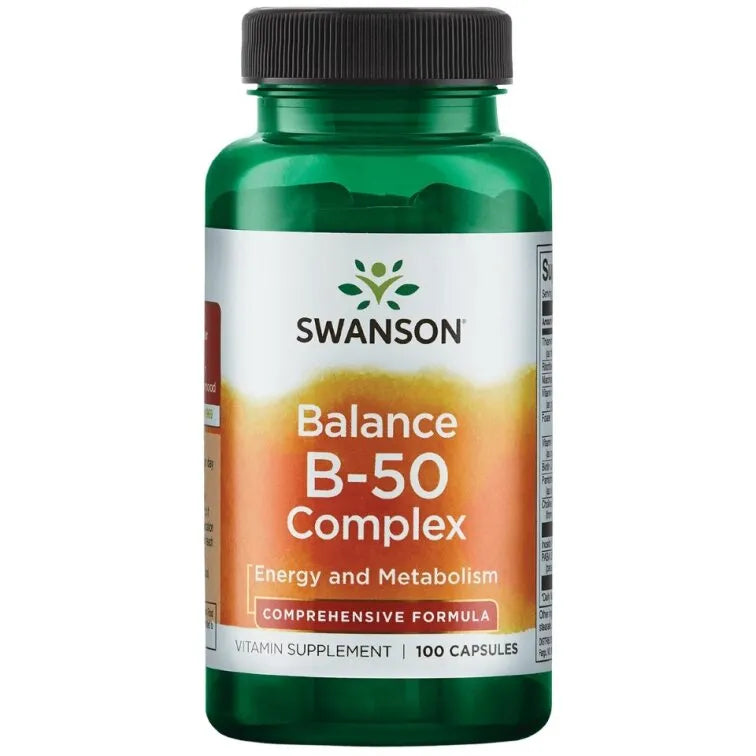
Swanson Vitamin B Complex 100 capsules

Swanson

B vitamins

Swanson Vitamin B Complex 100 capsules

Regular price €13,99
Sale price €13,99 Regular price €18,99
ON Opti-Women 120 Tabs

Optimum Nutrition

Multivitamins for women

ON Opti-Women 120 Tabs

Regular price €39,00
Sale price €39,00 Regular price
Activlab Creavita 300g

ActivLab

Creatine monohydrate

Activlab Creavita 300g

Regular price €22,99
Sale price €22,99 Regular price
UltraVit Vitamin C 1000 60 capsules.

UltraVit

Vitamin C

UltraVit Vitamin C 1000 60 capsules.

Regular price €9,99
Sale price €9,99 Regular price
ON Opti-Women 60 Tabs.

Optimum Nutrition

Multivitamins for women

ON Opti-Women 60 Tabs.

Regular price €29,99
Sale price €29,99 Regular price
UltraVit Vitamin D3 2000IU 180 capsules

UltraVit

Vitamin D

UltraVit Vitamin D3 2000IU 180 capsules

Regular price €13,99
Sale price €13,99 Regular price
ON Opti-Men 180 tablets.

Optimum Nutrition

Multivitamins for Men

ON Opti-Men 180 tablets.

Regular price €42,99
Sale price €42,99 Regular price

What are vitamins?

Vitamins are micronutrients that the body cannot produce (or can produce only in very small amounts), and therefore must obtain from:

  • food or
  • food supplements (if not enough is obtained from food).

Without vitamins, the body's enzymes would not function as they should. Vitamins act as:

  • coenzymes (activating enzymes),
  • antioxidants,
  • regulators of cellular processes,
  • immune system modulators,
  • part of the nervous system and hormone synthesis.

Vitamin deficiency can lead to many undesirable phenomena: energy and mood may drop, the condition of the skin and hair may worsen, immunity, heart health may decline, and sleep and nervous system activity may deteriorate.

Vitamins do not cure diseases but help the body to:

  • maintain normal physiology,
  • maintain resistance,
  • recover faster,
  • maintain mental and physical well-being.

Classification of vitamins

Vitamins are usually divided into water-soluble and fat-soluble.

Fat-soluble vitamins

Fat-soluble vitamins accumulate in the body, so consuming too much of them increases the risk of overdose.

Fat-soluble vitamins are:

Water-soluble vitamins

Water-soluble vitamins are not stored in the body, so they are needed constantly. Excess vitamins are excreted with urine.

Water-soluble vitamins are: 

Signs of vitamin deficiency

Some symptoms of vitamin deficiency appear gradually. The most common signals are:

  • fatigue and lack of energy,
  • frequent colds,
  • poor concentration,
  • nervousness, anxiety, irritability,
  • muscle spasms, cramps,
  • hair loss,
  • dry skin, brittle nails,
  • slow wound healing,
  • poor sleep.

Based on symptoms, it is often possible to determine what is often lacking:

  • Fatigue: B vitamins, iron, magnesium, vitamin D3,
  • Frequent illness: vitamins D3 and C, zinc, probiotics,
  • Stress, anxiety: magnesium, vitamin B6, omega-3, inositol,
  • Hair loss: biotin (vitamin B7), zinc, iron, collagen,
  • Muscle spasms: vitamin D, magnesium,
  • Poor skin: collagen, vitamin C, zinc, omega-3,
  • Poor mood and poor concentration: vitamin B12, omega-3, magnesium,
  • Joint problems: collagen, MSM, vitamin D3, omega-3.

Vitamins by purpose

To boost energy and reduce fatigue

Especially important for those who work intensely and exercise, experiencing stress:

  • Vitamins B1, B6, B12,
  • Vitamin C.

These vitamins promote energy metabolism, reduce fatigue and weakness, and support the nervous system. 

For a stronger effect, choose a B vitamin complex with magnesium.

For immunity

Helps maintain immunity, especially during the cold season. Suitable for those who get sick frequently and work actively:

  • Vitamin D3,
  • Vitamin C.

These vitamins improve immune system function, reduce the risk of infections, and speed up recovery.

Best combination for immunity: vitamin D3 + zinc + vitamin C.

For the nervous system and stress

Mainly B vitamins. Calms, improves sleep, helps concentration and reduces tension.

Classic combination to relieve stress and improve sleep - magnesium + B6.

For memory and concentration

B group vitamins. Suitable for students, older people and those doing mental work

For skin, hair and nails

Used for hair loss and dryness, brittle nails, dull skin:

  • Collagen + vitamin C
  • Biotin (vitamin B7)
  • Vitamins A and E

For heart and circulation

Vitamins to support circulation, heart function and cholesterol levels:

  • B group vitamins,
  • Folate + vitamin B12.

For bones and joints

Vitamin D3 + K2: suitable for active people, seniors, and those experiencing joint pain. Can be combined with glucosamine, MSM or collagen. 

Vitamins for eyes

Vitamin A is important for those who work with computers, older people, and those who complain of dry eyes.

Additionally, omega 3, lutein and zinc help. 

For digestion and intestines

B group vitamins help with digestive function. Probiotics and digestive enzymes can also be used for this purpose.

Vitamins for women

Multivitamins for women should include

  • Vitamin D,
  • Omega-3 fatty acids,
  • Vitamins B6, B9, B12,
  • Biotin,
  • Iron (if deficient).

What are the best vitamins for women depends on the situation. Depending on needs, women may require different combinations of vitamins and other substances:

  • For skin and hair: collagen, vitamin C, zinc, biotin,
  • For energy: B vitamins, iron, magnesium,
  • Pregnant women should consult a doctor before taking vitamin supplements.

Vitamins for men

Multivitamins for men should include:

  • Vitamin D3,
  • B group vitamins,
  • Zinc,
  • Selenium,
  • Magnesium.

What are the best vitamins for men depends on their needs. This may include different combinations of vitamins and other substances:

  • For energy: B vitamins, coenzyme Q10, iron (if deficient),
  • For muscles: Magnesium and creatine,
  • To support testosterone: vitamin D3, zinc, maca and tribulus terresteris.

Vitamins for children

Children are usually given children's multivitamins, vitamin D3, probiotics, and omega-3 fatty acids.

Vitamins for teenagers

Vitamin D3 is recommended for teenagers. Other substances often recommended for concentration are omega-3, for improving sleep and managing stress - magnesium supplements, for skin support - zinc and vitamin B6 supplements.

Vitamins for seniors

With age, the absorption of vitamin B12 decreases, so supplements for seniors can be a good idea. Also commonly used are the combination of vitamins D3 and K2, calcium supplements, omega-3, and lutein (for eyes).