



Articles
Articles

Creatine: What It Is and Why Your Body Really Needs It
Creatine isn't just a supplement for athletes—it's also an important source of energy for the body and brain. Find out how it benefits each of us and how to use it safely and easily every day.

Testosterones Characteristics and Supplements
Testosterone is the primary male sex hormone. In the male body, testosterone affects male reproductive organs: the testes and prostate, and also influences secondary sexual characteristics, such as muscle mass, bone mass, and body hair. Furthermore, testosterone is linked to a man's health and well-being, as well as the prevention of osteoporosis. Insufficient testosterone levels can lead to abnormalities, including weakness and bone deterioration. Therefore, it is important to ensure that a man produces enough testosterone to feel energetic, maintain a high libido, have sufficient energy, and recover faster from physical exertion, considering that testosterone levels decrease as one ages and experiences significant stress. Symptoms you may encounter if testosterone production decreases: 1. Reduced libido. 2. Feelings of depression. 3. Reduced self-confidence. 4. Unintentional weight gain. 5. Poor mood. You can increase testosterone concentration in the body through natural means: 1. You must start doing strength training. Short and effective strength training sessions can increase testosterone production. Studies indicate that people who exercise regularly have higher testosterone levels compared to those who do not. 2. You must eat a balanced diet. Sufficient consumption of healthy fats, carbohydrates, and proteins positively affects testosterone production and suppresses inflammatory processes. 3. You must reduce the stress you experience. Excessive stress negatively affects testosterone production. Therefore, try to reduce the amount of stress you experience, start promoting a healthy lifestyle, dedicate more time to quality sleep, start practicing yoga, and engage in meditation. 4. Include vitamin D supplements in your diet. Studies indicate that vitamin D deficiency negatively affects human health and testosterone levels. Sufficient vitamin D intake can increase testosterone production and improve overall well-being. Given that Lithuanians are often deficient in vitamin D, one should increase testosterone levels and take advantage of other vitamin D benefits: spend more time in sunlight, or take vitamin D supplements (in the vitamin D3 form) daily. 5. Include multivitamins in your diet. Studies indicate that sufficient vitamin and mineral intake positively affects health. Vitamin and mineral deficiencies are associated with various health disorders. Scientific studies indicate that the intake of zinc and B-group vitamins can increase sperm quality by an average of about 74%. Other studies indicate that sufficient intake of vitamin E, zinc, and selenium can positively influence testosterone production, though more research is needed to determine the benefits of these supplements and vitamins. Undoubtedly, for people who are deficient in these vitamins, taking them should help them feel better. You can include natural preparations in your diet: 1. Ashwagandha. Ashwagandha is a natural stress-reduction remedy from traditional Chinese medicine. Studies indicate that the use of ashwagandha positively affects testosterone production and helps reduce cortisol release. 2. Ginger. Ginger is a spice plant of the Zingiberaceae family. Consumption of ginger or ginger supplements can positively affect testosterone production and also have health benefits. 3. D-aspartic acid. D-aspartic acid is a natural amino acid that can increase low testosterone levels. The use of D-aspartic acid can improve testosterone production for those individuals who have low testosterone levels. 4. Fenugreek. Fenugreek is an annual plant of the legume family, common in Southern Europe. The use of fenugreek can positively affect testosterone production. A 2020 study indicates that the consumption of fenugreek extract can increase testosterone levels and positively affect strength metrics. 5. DHEA. DHEA (dehydroepiandrosterone) is a precursor to an endogenous steroid hormone. DHEA helps regulate testosterone and estrogen levels in the human body. Studies indicate that DHEA use can increase testosterone production in older individuals. In summary, testosterone is important for well-being and sexual health. Overall, there are many supplements that promote testosterone production, but only a few have proven benefits. Therefore, to improve testosterone production, it is necessary to combine a healthy lifestyle with the use of high-quality supplements, vitamins, and minerals. Also, a balanced diet, avoiding preparations with estrogen, and avoiding alcohol are important. All of our available testosterone boosters here. References: Hagmar M, Berglund B, Brismar K, Hirschberg AL. Body composition and endocrine profile of male Olympic athletes striving for leanness. Clin J Sport Med. 2013 May;23(3):197-201. Mahdi AA, Shukla KK, Ahmad MK, et al. Withania somnifera Improves Semen Quality in Stress-Related Male Fertility [published online ahead of print, 2009 Sep 29]. Evid Based Complement Alternat Med. 2009;2011:576962. Liu TC, Lin CH, Huang CY, Ivy JL, Kuo CH. Effect of acute DHEA administration on free testosterone in middle-aged and young men following high-intensity interval training. Eur J Appl Physiol. 2013 Jul;113(7):1783-92. Mansoori A, Hosseini S, Zilaee M, Hormoznejad R, Fathi M. Effect of fenugreek extract supplement on testosterone levels in male: A meta-analysis of clinical trials. Phytother Res. 2020 Jul;34(7):1550-1555. Pilz S, Frisch S, Koertke H, Kuhn J, Dreier J, Obermayer-Pietsch B, Wehr E, Zittermann A. Effect of vitamin D supplementation on testosterone levels in men. Horm Metab Res. 2011 Mar;43(3):223-5. Topo E, Soricelli A, D'Aniello A, Ronsini S, D'Aniello G. The role and molecular mechanism of D-aspartic acid in the release and synthesis of LH and testosterone in humans and rats. Reprod Biol Endocrinol. 2009;7:120. Published 2009 Oct 27. Nassar GN, Leslie SW. Physiology, Testosterone. [Updated 2020 Sep 23]. In: StatPearls [Internet]. Treasure Island (FL): StatPearls Publishing; 2020 Jan-. Available from: https://www.ncbi.nlm.nih.gov/books/NBK526128/ Heitor O. Santos & Filipe J. Teixeira (2019) Use of medicinal doses of zinc as a safe and efficient coadjutant in the treatment of male hypogonadism, The Aging Male. The effect of Ginger on semen parameters and serum FSH, LH & testosterone of infertile men · Waleed Abid Al-Kadir Mares*, Wisam S. Najam. The Medical Journal of Tikrit University, 2012, Volume 18- 2 ج2, Issue 182, Pages 322--329 Akmal M, Qadri JQ, Al-Waili NS, Thangal S, Haq A, Saloom KY. Improvement in human semen quality after oral supplementation of vitamin C. J Med Food. 2006 Fall;9(3):440-2. Wong WY, Merkus HM, Thomas CM, Menkveld R, Zielhuis GA, Steegers-Theunissen RP. Effects of folic acid and zinc sulfate on male factor subfertility: a double-blind, randomized, placebo-controlled trial. Fertil Steril. 2002 Mar;77(3):491-8. Pilz S, Frisch S, Koertke H, Kuhn J, Dreier J, Obermayer-Pietsch B, Wehr E, Zittermann A. Effect of vitamin D supplementation on testosterone levels in men. Horm Metab Res. 2011 Mar;43(3):223-5. Hoogeveen AR, Zonderland ML. Relationships between testosterone, cortisol and performance in professional cyclists. Int J Sports Med. 1996 Aug;17(6):423-8. Bishop DT, Meikle AW, Slattery ML, Stringham JD, Ford MH, West DW. The effect of nutritional factors on sex hormone levels in male twins. Genet Epidemiol. 1988;5(1):43-59. Ari Z, Kutlu N, Uyanik BS, Taneli F, Buyukyazi G, Tavli T. Serum testosterone, growth hormone, and insulin-like growth factor-1 levels, mental reaction time, and maximal aerobic exercise in sedentary and long-term physically trained elderly males. Int J Neurosci. 2004 May;114(5):623-37. Mooradian AD, Morley JE, Korenman SG (February 1987). "Biological actions of androgens". Endocrine Reviews. 8 (1): 1–28. Bassil N, Alkaade S, Morley JE (June 2009). "The benefits and risks of testosterone replacement therapy: a review". Therapeutics and Clinical Risk Management. 5 (3): 427–48. Tuck SP, Francis RM (2009). "Testosterone, bone and osteoporosis". Advances in the Management of Testosterone Deficiency. Frontiers of Hormone Research. 37. pp. 123–32.
BCAA AMINO ACIDS AND THEIR BENEFITS FOR EXERCISE
In recent years, branched-chain amino acid supplements have made a comeback in the bodybuilding and fitness community, and for good reason. The benefits of BCAAs in sports are proven. Many studies have been conducted in recent years to confirm this. While BCAAs are beneficial during bulking phases, BCAAs are even more useful for maintaining muscle mass during a calorie deficit. This product is especially popular among athletes preparing for competitions. Catabolism Dieting is catabolism, which means the body can cause muscle breakdown for several reasons. The lower your subcutaneous fat layer, the more likely your body will try to shed muscle mass, as the body tries harder and harder to maintain fat stores, and it is much more convenient for the body to store fat. Another downside of being in a calorie deficit is that protein synthesis slows down, as does metabolism. Drowsiness also joins all these inconveniences. By depleting glycogen stores, you will no longer be able to perform very intense workouts with maximum weights, and the muscle, meanwhile, will adapt to the new, lighter load and, of course, will decrease. BCAA Support How do we fight all the shortcomings listed? It has long been established that branched-chain amino acids (especially leucine) stimulate protein synthesis and improve protein absorption. BCAAs protect muscles from breakdown by reducing the rate of protein breakdown, as well as reducing the activity of active components in the body responsible for the same rate of breakdown, thus protecting and maintaining muscle mass. Given these facts, we see that a calorie deficit can be combated, losing a smaller amount of quality muscle. BCAAs can also help improve workout intensity. During physical exertion, our serotonin levels rise, which means that intensity will decrease and you will feel fatigued. This happens due to the effect of tryptophan, which is converted into serotonin. BCAAs significantly reduce the amount of tryptophan, while less serotonin is released into the body, which will allow you to train harder and more intensely. BCAAs and Whey Protein Despite the many positive properties of BCAAs, there are many skeptics who tend to believe that buying BCAAs is simply overpaying, and to get as much BCAAs as possible, you simply need to consume more whey protein. Although whey protein is enriched with BCAAs, this does not mean that it is the most effective strategy. In whey protein, BCAAs are in peptide form, which binds together with other amino acids, and for the chain to be effective, it must pass through the entire digestive tract and only then will the BCAA chain be absorbed into the blood. Although whey protein is digested quite quickly, the process will still take several hours. BCAAs separately as a supplement are in free form, do not require digestion, and are absorbed into the blood very quickly. Even a few grams of free-form BCAAs will be absorbed significantly faster than 30 grams of whey protein. By the way, let's not forget that BCAAs have a direct effect on protein synthesis and the duration of protein breakdown. Furthermore, because BCAAs bypass the liver and intestines and enter directly into the bloodstream, this chain can be used as a direct energy source during exercise. Valine and isoleucine are considered glycogenic amino acids, meaning they can be converted into glucose and serve as an energy source during exercise, which will help get rid of fatigue during workouts. Conclusion Studies have shown that people who adhere to a diet supplemented with BCAAs lose weight much faster and without drastic muscle loss. Here's some food for thought, my friends: maintaining quality muscle while losing a larger amount of body fat can be helped by one supplement! Our market is full of unnecessary supplements that promise quick results in the shortest possible time. Instead of blindly believing fairy tales, check out the power of BCAAs, because the benefits of BCAAs are obvious! Translated into Lithuanian from: http://www.bodybuilding.com/fun/bcaas-the-many-benefits-of-amino-acids.html

Collagen supplements – necessary for athletes
It is often said that sports are especially important: it is through sports that we can achieve the look we desire; improve our physical and emotional state; completely solve or at least alleviate some health problems. And this is absolutely true, but it is also important not to forget that everyone who exercises must take proper care of their joints. To achieve this goal, collagen supplements could be a particularly valuable choice. It's time to find out why. First of all, it is worth noting that during exercise (regardless of the duration and intensity of the chosen workouts), the entire musculoskeletal system is subjected to a heavy load, and collagen supplements will help maintain its functionality. It is no secret that the skin also experiences a significant load during exercise. Collagen supplements will help maintain the excellent initial condition of the skin, as this protein accounts for as much as 70% of our skin. However, collagen is particularly beneficial for the joints of athletes. As you know, sports will yield positive and noticeable results only if you exercise properly, i.e., perform all exercises correctly. It would seem that this is an extremely easy task, but it only appears so at first glance, as many athletes admit that aching or painful joints prevent them from performing exercises correctly. For these reasons, people who exercise are often forced to look for favorable positions during their workout, which hinders the proper execution of exercises and ensures the effectiveness of the training. Aching or painful joints are often felt because the joint cartilage wears down. Well, collagen renews them, ensures the slipperiness of joint surfaces, so the athlete can move freely, perform exercises in various positions, and maximum joint flexibility is ensured. By the way, it is often thought that the mentioned hindrances affect people in older age, but the real situation is different: even people under 30 complain about these problems, and this is completely natural, as collagen production in our body begins to slow down as early as 25. It is also no secret that athletes face a high risk of joint injuries (especially when training starts without warm-up exercises or when exercising without a coach's supervision). However, if you use collagen for joints, the likelihood of injuries will be lower, as this protein positively affects and strengthens the joints. So, if you exercise, you must pay special attention to your joints. By using collagen for your joints, you will guarantee freedom of movement and the ability to perform exercises correctly and effectively, which will ensure the effectiveness of your workout.

9 NATURAL WAYS TO INCREASE TESTOSTERONE LEVELS IN OUR BODY
Testosterone has a significant impact on male sexuality, affecting factors such as sexual and reproductive functions, muscle mass, and hair growth, as well as contributing to bone density, red blood cell levels, and overall well-being. If you are a man experiencing symptoms such as decreased libido, erectile dysfunction, depressed mood, difficulty concentrating, and impaired memory, you should be concerned, as a drop in testosterone levels could be to blame. This can negatively impact your work, the quality of your sexual life, and your health. There are many synthetic testosterone products on the market that could help stimulate its production, but today we will present 9 natural ways you can do this without additional pills or other synthetic substances. 1. Get rid of excess weight and fat layer To reduce your fat layer, you will need to severely limit or even completely eliminate sugar and refined flour products. When dieting, increase your protein intake to protect your muscles from catabolism. It is very important to remember to regularly consume healthy fats, which can be obtained from salmon, nuts, avocado, etc. 2. High-intensity, short-duration workouts This type of training has been proven to have a positive effect on increasing testosterone levels and maintaining its prevention.So, what does such a workout look like:(choose an exercise: outdoor running, elliptical trainer, swimming, etc.)1) Warm-up 3 min2) Perform the exercise with full effort, as much as you can, for 30 seconds. You should feel that you simply wouldn't be able to do a few more seconds.3) Rest for 90 sec, take deep breaths, exhale, fill your muscles with oxygen.4) Perform the exercise a total of 8 times.As you can see, the workout lasts only 20 minutes, and 75% of the workout consists of rest and warm-up. You will only need to exert full effort for four minutes. However, remember that putting all your effort into an exercise increases the risk of injury, so before starting your workout, take the time to stretch well and warm up your joints to avoid unpleasant consequences. 3. Consume plenty of zinc The mineral zinc is important for testosterone production. You can find zinc in the following foods: dairy/fish/meat. However, you should not exceed a dose of 40mg, as excess zinc can hinder the absorption of other minerals and cause nausea. 4. Strength training Try to focus more on compound exercises that work more than one muscle group. Squats and deadlifts should be your priority! 5. Optimize vitamin D concentration Vitamin D is essential for healthy sperm cell development and helps maintain semen quality and sperm count. Vitamin D also increases testosterone levels, which can boost libido. 6. Reduce stress If you are highly stressed, due to troubles at work, family arguments, or other reasons that provoke aggression and anger, your body releases a large amount of the hormone cortisol, which blocks the effect of testosterone.Prayer, meditation, positive visualization, laughter, or yoga can help reduce stress. Also, try to avoid unnecessary arguments, disagreements, or unpleasant situations. 7. Limit or completely eliminate sugar from your diet. Testosterone levels decrease after you consume sugar, as sugar leads to high insulin levels, which is another factor contributing to lower testosterone levels. 8. Eat healthy fats By this, we mean not only healthy fats obtained from avocado or nuts, but also saturated fats from animal and plant sources, which are essential for testosterone production. Foods containing saturated fats include: meat, dairy products, olive, flaxseed, and coconut oil. 9. Increase your BCAA intake Studies show that BCAAs have an impact on increasing testosterone levels, especially leucine, which stimulates the anabolic process in our body. Food-based leucine is an ideal form that benefits your muscles without any side effects. Article by health expert Dr. Joseph Mercola

HOW TO BUILD MUSCLE – 6 MUSCLE GROWTH RULES
Muscle mass is what every bodybuilder strives for. But it's not an easy path, especially if you don't take any supplements or are not genetically gifted. To build muscle, you'll need discipline and dedication. Here are 6 rules for muscle growth that, if followed, should help you achieve desired results faster. 1. Eat. Eat more than 3 times a day to get enough protein, carbohydrates, and fats. Don't forget to saturate your body with amino acids and glycogen. Not consuming enough protein can lead to muscle tissue breakdown. 2. You should focus on certain exercises in your workout program, such as deadlifts, squats, and presses. This means lifting heavy weights and working as many muscle groups as possible with a small number of sets. For example, deadlifts train the entire body. 3. Overtraining is the number one factor that hinders muscle mass growth. It's best to do a short workout with heavy weights and a small number of repetitions. Don't do 30+ "pump" sets. They do not promote muscle mass growth. Don't train more than two days in a row, as your muscles and CNS (central nervous system) need time to recover. 4. Eat or drink fast carbohydrates and protein after each workout. After an intense workout, this will help raise insulin levels. 5. Every five or six weeks, take a week off or reduce your weights by 50%. This will give your body and CNS time to recover. 6. You've probably heard it a thousand times, but sleep is the second most important thing. You can eat all the protein in the world, but without 8 hours of sleep, you won't achieve full muscle growth.

10 TIPS TO START EXERCISING AND STICK WITH IT
The beginning is always the hardest part. Many people wonder – How to start exercising? Which sport to choose? Therefore, we have prepared tips for you on how to start exercising, and also how to keep exercising. The latter factor is very important for maintaining fitness and health. If you promised that you would start exercising from tomorrow, or from the New Year – read these tips: 1. Set clear goals. Honestly answer the question: why do I want to start exercising? Creating an image of what I see myself in the future (enjoying firmer legs, vitality, lost pounds, etc.) and what emotions it evokes in me can help you understand. 2. Try several sports activities. Only then will you find an activity you enjoy that will motivate you to achieve your goals. An incorrectly chosen sport will quickly ruin your plans. After all, for example, if you are afraid of horses, you would certainly not want to ride. The choice can be determined by hobbies or set goals. If you love diving in the sea in summer – try starting to dive. If you just want a flat stomach and nothing else – focus on abdominal exercises (of which there are many and certainly not just simple and boring sit-ups). 3. Don't overdo it. If your goal is to lift 100 kg, you wouldn't start with that weight today. The same applies to all sports: the most important thing is to start with small steps. For example, start running for 20 minutes daily and gradually increase the duration as much as possible. Tasks that are too difficult not only reduce motivation but also harm your health. 4. Exercise consistently. The human body likes regularity and adapts to it. Routine makes workouts more effective. For example, decide that you will exercise on Tuesday and Thursday mornings from 7 to 8 o'clock and honestly stick to the plan. If you want to achieve your desired results faster, contact a professional in your field to create an individual exercise program. 5. Exercise with friends. They not only liven up workouts but also make sure you don't miss them. If you promised a friend to meet at 7 a.m., you won't be able to skip the workout because "I'm lazy today." And it's not fun to break an agreement altogether, thus showing a lack of determination. 6. Listen to motivational music. Appropriatemusic stimulates not only mental activity but also adrenaline. After all, when you hear the soundtrack of the movie "Rocky," you immediately want to exercise, don't you? Put some lively music on your headphones and you won't even notice how quickly the workout flies by. 7. Write down reminders. With an abundance of activities, it's really easy to just forget some tasks, so include sports activities in your work calendar. You can also use smartphone apps or a simple alarm sound to remind you of upcoming workouts. 8. Balance your diet. Exercise is essential for excellent well-being, but without proper nutrition, it will be difficult to achieve results. This does not mean that you need to start counting every calorie or eat only lettuce leaves. However, giving up semi-finished products, or increasing the amount of food beneficial to the body and eating regularly – is essential. A nutrition plan prepared by specialists will definitely accelerate your aspirations to have a flat stomach, a muscular body, gain or lose weight. 9. Allocate rewards and penalties. Why do children clean their rooms? Because mom promises that if they complete their household chores, they will be allowed, for example, to play on the computer. The same applies to those who exercise – a well-deserved bonus is a great motivation. This can be anything you like and can afford: from a delicious cake to new sports shoes. If you fail to meet your weekly plan, punish yourself. For example, don't buy that new blouse you've been dreaming of all week. If you don't trust yourself, ask friends or your partner to track your achievements and determine appropriate rewards or sanctions. 10. Remember why you started. When it seems like that's it, I can't do it anymore, it most likely signals that you have chosen the wrong load or sports activity. Or that you forgot the first point – the goals you set. Remember the ideal you created, adjust your plan, and continue exercising.

PRE-WORKOUTS. HOW TO CHOOSE THE RIGHT ONE?
NO Stimulators (Nitric Oxide Stimulators) - Excellent pre-workout products that can take your training to the next level. However, poor quality ones can only waste our time and money. We will tell you the difference and give you tips on how to choose the right one. Pre-workout supplements are one of the best-selling and fastest-growing categories in the supplement market today. It's amazing how nutrients consumed within the critical one-hour window before a workout can influence the body and workout effectiveness. Good pre-workout NO stimulators can increase strength, endurance, focus, and muscle pump. There are countless of them, but how do you choose one? To help you find the right NO stimulator, we will provide information that will save you money on supplements that are not worth it. STRENGTH AND POWER ENHANCERS Too many pre-workout supplements are based on stimulants, and as a result, they do not deliver real nutrients to muscle fibers. Make sure that your pre-workout supplement contains at least a few of these ingredients, all of which are clinically suggested to increase muscle strength. BETAINE Also known as Trimethylglycine, this modified amino acid usually comes from beets. Scientific studies have shown that betaine helps increase strength and power by up to 25%. BETA-ALANINE This amino acid forms the dipeptide (double amino acid protein) carnosine, which helps muscles contract more strongly. Studies show that taking beta-alanine before a workout promotes muscle strength and power. This substance can also improve muscle endurance. One way to tell if your supplement has enough beta-alanine is if your skin, especially around the lips, starts to tingle or itch. Only products containing time-tested beta-alanine will not cause this sensation. This tingling is a sign of non-standard beta-alanine. CREATINE You're probably surprised that we didn't put creatine at the top of the strength and power enhancers list. While you definitely want to make sure you're taking some form of creatine before your workout, the reason we put creatine after beta-alanine is that many guys tend to take creatine as a separate supplement. If that's not you, then make sure your chosen pre-workout product contains at least one creatine form. As already proven, it is one of the most effective strength-boosting products on the market. ENERGY BOOSTERS This category does not include stimulants. Although caffeine can increase muscle endurance, the body needs real nutrients to truly increase endurance without additional central nervous system stimulation. Make sure your pre-workout supplement contains at least two of the substances listed below. TYROSINE This amino acid has supporting evidence that it helps increase energy without any nervous side effects. Scientific studies also show that this substance can increase endurance and help concentration. The body uses it as a precursor to produce several important hormones and neurotransmitters, such as epinephrine (adrenaline) and dopamine. TAURINE Studies show that taurine can help increase muscle endurance by up to 50%. One way taurine can enhance endurance is by helping the heart pump more blood to the muscles, according to a study conducted in Germany. And we're not just talking about endurance that you associate with cardio. A separate study found that subjects who consumed drinks containing taurine before a workout could perform more repetitions with a barbell than when they consumed a placebo. If your pre-workout supplement does not contain taurine, make sure it includes other energy boosters. RHODIOLA ROSEA This plant helps stimulate adaptogens as it increases the body's resistance to various stressors. It can help support the activity of crucial hormones such as testosterone, growth hormone (GH), insulin-like growth factor-1 (IGF-1), dopamine, and thyroid hormones. Additionally, this plant extract can help control healthy levels of the catabolic hormone cortisol. SCHISANDRA CHINENSIS The native Chinese vine berry has been used for centuries in traditional Chinese medicine. It can support muscle endurance, as well as aid brain function and even help keep cortisol levels low. B GROUP VITAMINS Vitamins B6 and B12 are very important for energy production. If you take a separate B vitamin complex, it is not very important that your pre-workout product contains these vitamins. STIMULANTS Most guys want a pre-workout product full of stimulants that will make their heads go crazy... Don't be like that. First, make sure that the supplement you choose has at least some real strength and energy-boosting nutrients, and then you can look for stimulants in the composition. CAFFEINE Not only is it the most popular supplement in the world that provides a boost during a workout after a long day at work, but caffeine also promotes muscle strength and endurance. It has also been found that caffeine reduces muscle pain during training, meaning you can train pain-free. For a better effect, look for caffeine in tablets or capsules (anhydrous). Caffeine from guarana, coffee, or green tea is good, but many believe that this form is less effective than anhydrous caffeine, which has been shown in clinical trials to increase effectiveness. MATE The leaves of this powerful plant contain unique xanthine alkaloids such as theobromine, theophylline, and caffeine, which work together to help boost you before a workout, increase strength and endurance, and help clear your mind. Many claim that the effect they get from mate is longer-lasting without additional nervous side effects. MUSCLE BUILDING INGREDIENTS Certain ingredients consumed before a workout can help you support muscle mass growth. Of course, creatine will highlight your muscles due to water retention, but it will also increase strength. Its benefits will come indirectly from increased strength, and directly from faster recovery, which is why you would want to take creatine after a workout as well. This section covers substances that can actually promote muscle hypertrophy during a workout. BRANCHED-CHAIN AMINO ACIDS (BCAA) BCAA (leucine, isoleucine, valine) are the most important amino acids responsible for muscle growth. They also reduce fatigue and are used in muscles as a fuel source. Some pre-workout products may be limited to leucine, which is sufficient, as it is the most essential amino acid from BCAAs due to its greatest influence on muscle protein synthesis. GLUTAMINE During intense training, muscles can deplete glutamine, which in turn can harm muscle growth, as well as immune system function, making you more prone to colds and illnesses. Glutamine can also increase growth hormone levels and even alleviate acidity, reduce fatigue, and maintain intensity. One of the main reasons is that glutamine promotes muscle growth during training by maintaining high leucine levels in muscle fibers, however, if you are getting enough leucine, then glutamine in a pre-workout product is not essential, although it can be beneficial. CARNITINE We also mentioned this diverse amino acid as a compound that is also a muscle builder, as many of carnitine's benefits lead to muscle growth. For example, it has been found that carnitine increases blood flow to working muscles and helps with recovery. It has also been shown to support androgen receptors in muscle cells, to which testosterone binds and initiates growth. NITRIC OXIDE BOOSTERS (FOR MUSCLE PUMP) Aside from stimulants, most guys also look for a pre-workout product that promotes nitric oxide (NO) enhancement. These are the two categories, NO boosters and stimulants, that keep the pre-workout supplement market alive today. A good muscle pump not only helps you look impressive in the gym but also promotes long-term muscle growth. CITRULLINE The body converts citrulline into arginine, which is then converted into NO. So why should we look for citrulline in a product instead of arginine? Because when we consume arginine, some of it is used up by intestinal cells. This can reduce the amount that reaches your bloodstream. When we digest citrulline, it actually increases arginine concentration in the blood and nitric oxide better than arginine alone. ARGININE As mentioned above, this is an amino acid that is easily converted in the body into nitric oxide. But since L-arginine can be poorly absorbed, you need to look for a product with other forms of arginine, such as arginine AKG, arginine hydrochloride, or arginine ketoisocaproate, to help increase NO levels. GPLC A special form of carnitine known as Glycine Propionyl-L-Carnitine (GPLC) is a patented compound that combines the amino acid glycine with a modified form of carnitine called propionyl-L-carnitine. This formula helps increase carnitine absorption in muscle tissues. One study showed that trained male weightlifters who took GPLC for four weeks had 30% higher NO levels than when they took a placebo. PYCNOGENOL This flavonoid from French maritime pine is a powerful antioxidant. One way they can increase NO levels is by eliminating free radicals that break down NO. Studies show that pycnogenol also promotes NO levels by increasing nitric oxide synthase activity, thereby allowing more arginine to be converted to NO. NITRATES Nitrates are converted into nitrites by bacteria living on the tongue. When digested, nitrite can easily be converted into nitric oxide in the body. Nitrates are commonly found in vegetables, with beets having the most. Some companies also add nitrates to supplements, such as amino acids or creatine. Regardless of how they are presented, nitrates are powerful NO boosters. GLYCEROL Glycerol is typically composed of triglycerides, which are the main fats in our diet. Although it is not an NO booster, it can also increase muscle pump because it has strong osmotic properties, meaning it accumulates a lot of fluid in blood vessels, which increases muscle pump. Glycerol can also help prevent dehydration and maintain proper body temperature. Although glycerol is far from being such an important ingredient in your pre-workout product, indirect studies show that a product with a good dose of glycerol can maintain muscle pump for longer. BRAIN FUNCTION ENHANCERS When you train, it is essentially an athlete's fight against himself and against weights. Like any athlete, you need to focus very strongly. Not only can this improve your training effectiveness in the gym, but it also affects the connection between your thoughts and muscles. Studies show that it actually even affects muscle mass growth. Below is a list of several very effective brain function enhancers that are commonly used in pre-workout products. CHOLINE This is an important nutrient that can help increase muscle strength and brain function due to choline being very important in the formation of the neurotransmitter acetylcholine. By providing your nervous system with more acetylcholine, you can improve stronger muscle contractions for longer. DMAE Dimethylaminoethanol (DMAE) began to be marketed in the 1950s to improve learning and memory in individuals with attention disorders. DMAE increases choline levels in the brain better than taking choline itself, as DMAE inhibits the breakdown of choline, which should lead to higher acetylcholine levels, and thus improves mental functions, mood, and even increases muscle strength. HUPERZINE This extract, derived from moss, protects acetylcholine from breakdown in the brain, maintains a sharper mind, and improves mood and attention. FAT BURNERS Even if your goal is not to get rid of fat, fat-burning ingredients in your pre-workout product can help maintain lean muscle mass growth, and also encourage the body to use your accumulated fat layer for fuel, thus giving you more energy during your workout. GREEN TEA EXTRACT Some pre-workout products include green tea extract because it provides many beneficial properties for our body and can also contribute to a more effective workout. The active ingredient in green tea is a catechin called epigallocatechin gallate (EGCG), which increases fat burning by inhibiting an enzyme that normally breaks down norepinephrine. This leads to higher epinephrine levels, which promote faster fat burning and provide a mild stimulating effect. SYNEPHRINE Structurally similar to epinephrine. Synephrine works by increasing the fat-burning process and is one of the active components found in the bitter orange plant (Citrus aurantium). Article translated from: http://www.bodybuilding.com/fun/does-your-pre-workout-supplement-suck.html

10 BEST FOODS FOR BUILDING MUSCLE MASS
1. Chicken Probably all athletes have long known that if you want to gain a certain amount of muscle mass, one of the main products that helps you do it is CHICKEN. Perhaps that is why this meat is one of the most popular among professional athletes.Chicken contains quite a lot of protein, so it is considered to be quite healthy. 2. Salmon In second place is SALMON – a perfect source of protein and omega-3 fatty acids. This double punch will help you build your dream muscles. Salmon can also speed up your metabolism, which, in turn, will help you reach your goal faster. 3. Lamb LAMB – here is another excellent source of protein with approximately 23 grams of protein per 85-gram serving. This meat stands out because it not only has a lot of protein but also heme iron, which helps increase red blood cell production and energy levels. 4. Kangaroo Okay, let's admit, not everyone may have the opportunity to taste this goodness (depending on where you live), but as soon as you get the chance, you really must try kangaroo meat, because it is not only a huge source of protein but also meat with an extremely low fat content. 5. Nuts Nuts provide a good "injection" of protein and healthy fats. They are rich in vitamin E, which is especially healthy and beneficial for muscles. It is worth noting that NUTS are a powerful antioxidant, fighting free radicals and helping the body recover after a workout. So always try to keep this healthy snack on hand. 6. Cottage Cheese Another one of the best products for muscle growth is COTTAGE CHEESE. Just 100 grams of cottage cheese will give you 18 grams of valuable protein. In addition, it is valuable because it contains both "fast" and "slow" proteins. Due to this property, it is an excellent option for dinner, which will provide your muscles with the necessary proteins even while you sleep. 7. Turkey TURKEY – one of the underrated products for muscle growth. It's simply a fantastic source of protein, containing 11 vitamins and minerals. It also contains selenium, which, according to some scientists, can fight certain forms of cancer. 8. Sweet Potato Do you know that carbohydrates are the main nutritional medium for your body? Like proteins, they also promote muscle growth. Sweet potatoes are one of the best options to replenish "fuel" reserves so that muscles have materials to grow. In addition, sweet potatoes are rich in vitamins and minerals, abundant in dietary fiber, and besides all this, eating sweet potatoes will keep you feeling full longer and maintain a normal blood glucose level. It is worth noting that the sweet potato is considered one of the most beneficial vegetables in the world and is among the top ten due to its abundance of accumulated nutrients. 9. Spinach Scientists at Rutgers University found in 2008 that phytoecdysteroids in spinach can accelerate muscle growth by as much as 20%! However, to achieve the mentioned effect, you would have to eat ~2 kg of spinach per day. 10. Oats Everyone knows that oats are an indispensable component of a healthy diet. Healthy oat grains contain carbohydrates, fiber, protein, minerals, and vitamins. In addition, the carbohydrates they contain are "slow," meaning you stay full longer and blood glucose levels are more stable.

TOP 5 VITAMINS FOR MUSCLE GROWTH AND RECOVERY
Vitamins for athletes and their impact on your results. How can a vitamin deficiency affect your gym performance? You'll find out in this article! As you drive home from the gym, muscle growth and recovery are already happening at the cellular level. Cell synthesis and tissue repair depend on a variety of vitamins and minerals. While these vitamins can usually be found and obtained from a balanced diet, lifters often experience deficiencies in certain vitamins that can hinder their muscle growth and recovery. Learn how certain vitamins can affect and improve your gym results. 1. Vitamin A It turns out that Vitamin A is one of the forgotten vitamins. It is well-known for its positive effects on eye health, but many of its other benefits are often ignored. For athletes and bodybuilders, Vitamin A is beneficial because it helps support protein synthesis, a process that is very important for muscle mass growth. Vitamin A levels decrease when protein synthesis increases. If its role in muscle mass growth and repair is insufficient, Vitamin A also has a direct effect on testosterone - the most important muscle-building hormone in our body. In one study, 102 boys with delayed puberty were given additional Vitamin A and iron. The study results showed that their bodies began to produce a similar amount of testosterone as the group that used synthetic testosterone. This showed that a Vitamin A deficiency can have a significant impact on healthy testosterone production, in men of any age. Finally, Vitamin A plays an important role in helping to strengthen muscles, promotes bone development, and stimulates the maturation of young cells more quickly. 2. Vitamin D Vitamin D is probably one of the most important vitamins when it comes to muscle growth and recovery. Vitamin D is unique in that the body has contact with direct sunlight, which stimulates its production. We all know that Vitamin D is important for preventing diseases, but most people are deficient in it. But how can Vitamin D affect muscle mass growth and recovery? Vitamin D is the most important of all vitamins when it comes to testosterone production! Several scientific studies have proven that Vitamin D can even increase explosive power when training according to a strength training program compared to participants who received a placebo. Vitamin D plays an important role in protein synthesis, which is partly a consequence of testosterone production. In fact, a study on men with low testosterone found that supplementation with Vitamin D increased testosterone production by 20%. In addition to its effects on testosterone and muscle mass growth, Vitamin D can strengthen bones. Vitamin D works together with calcium and magnesium, which are essential minerals for bone development. 3. Vitamin C Vitamin C is one of the most well-known vitamins on the planet. We've all had colds and always received advice like, "Make sure you increase your Vitamin C intake!" But what are its benefits for muscle mass growth and recovery? Well, first of all, Vitamin C is a powerful antioxidant that protects muscle cells from the harmful effects of free radicals. In addition, it acts as an aid in the formation of testosterone and other anabolic hormones. The benefits for muscles don't end there! Vitamin C also helps form collagen. This is the main component of connective tissue. Vitamin C becomes an essential element in helping to protect against bone and muscle injuries. By strengthening collagen, joints are more able to withstand heavy weights with a lower chance of injury. In one study, researchers at the University of North Carolina found that Vitamin C supplements, before and after workouts, reduced muscle soreness and prevented glutathione oxidation, indicating that it is a very powerful antioxidant. It is very important to pay attention to this, because delayed muscle soreness is not the most pleasant, and Vitamin C reduces it by working as an antioxidant in the cells. 4. Vitamin E Vitamin E has a lot of practical evidence. Many people know it as a suppressor of stretch marks and skin problems, but few know what other properties this vitamin possesses! Good news for athletes and bodybuilders! Vitamin E is also a very powerful antioxidant that works to protect the integrity of cells in the body. Exercise and intense training produce free radicals in our bodies, which are toxic products for our cells. As these free radicals accumulate, the body becomes toxic, which leads to impaired bodily functions, muscle growth, recovery, and immune health. Vitamin E helps protect the body from these free radicals and remove them. The end result is reduced muscle damage and suppression of oxidative stress. 5. B vitamins (B6, folic acid, and B12) Vitamin B6, folic acid, and B12 are undoubtedly the most important B vitamins when it comes to muscle mass growth and recovery! Both vitamins B6 and B12 play a direct role in protein metabolism. In fact, studies have shown that the higher the protein intake, the more Vitamin B6 is required to support the metabolism of increased protein intake. Another interesting fact is that Vitamin B6 is needed to help better absorb Vitamin B12. Together, these B vitamins are very important for the production of red blood cells and immune system cells, both of which are invaluable for muscle growth and recovery. Considering folic acid (Vitamin B9) along with vitamins B6 and B12 can reduce homocysteine levels in the blood and improve nitric oxide production and endothelial function. The end result is better blood circulation and nutrient delivery to working muscles! Link to the original article: https://www.muscleandstrength.com/articles/5-most-important-vitamins-for-muscle-growth-recovery

Top 3 supplements for muscle growth
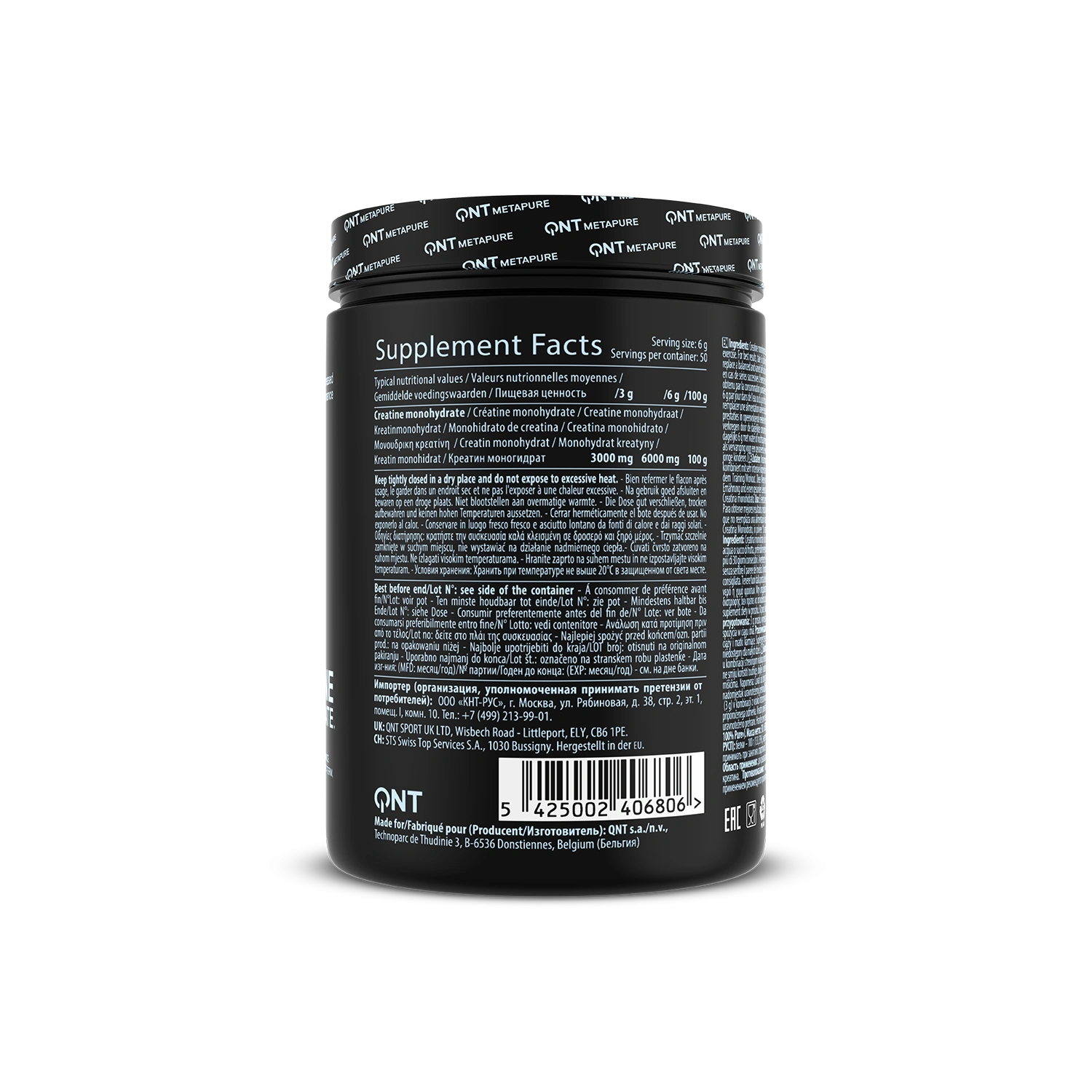
When you are in a muscle-building phase, you do everything to the maximum, sometimes more than you really need to: you lift impossible weights, eat too much protein, and take every supplement you can afford. After all, you want to make the most of this precious growth period, right? When it comes to supplements, if you're spending money on various mass gainers instead of buying food, you're on the wrong path. If your goal is to gain as much muscle mass as possible without adding extra fat to your body, this trio is just for you! 1. Creatine: More energy for more volume Creatine: a nitrogen-containing compound found in the muscles, nervous tissue, and blood of all vertebrates. About 95% of creatine in the human body is stored in skeletal muscles, with the rest in the heart and brain. Creatine is a natural compound of the amino acids arginine, methionine, and glycine produced in the liver, pancreas, and kidneys. Its production requires three enzymes: L-arginine-glycine amidinotransferase, guanidinoacetate methyltransferase, and methionine adenosyltransferase. In an adult human body, creatine synthesis depends more on the metabolism of arginine and methionine amino acids, and less on glycine. Creatine is one of the main energy sources for muscles, which is why fitness athletes use it very often, and some athletes even continue its cycle throughout the year, although this is not recommended. Many different creatine formulas have been released on the market: polyhydrate, hydrochloride formulas that do not retain water, mixed with probiotics, etc. But most commonly used is the monohydrate formula, which is time-tested and has the most acceptable price. The amount of creatine you should consume daily depends on your goals. If you're not large, you can take 3-5 grams per day and slowly build up the creatine stores in your muscles. If your goal is to see quick results, you can start creatine consumption with a loading phase. For the first 5-7 days, take 5-7g of creatine five times a day, then switch to a maintenance phase and take 5-7g daily for the rest of the period. Both methods of consumption are effective when used over a longer period. Don't be alarmed; when you use creatine supplements, you may notice some "bloating" during the loading phase in the first few weeks. For this reason, some athletes skip the loading phase and instead use 5-10g per day. 2. Whey Protein According to some people, the only way to gain mass is to eat an inhumane amount of carbohydrates, but in the world of bodybuilding and fitness, it has long been known that it's practically impossible to gain lean muscle mass without consuming quality whey protein. And when it comes to quality protein, whey protein is king. Whey protein is a very quickly digestible, bioavailable form of protein. It has been found to stimulate or enhance muscle hypertrophy more than other proteins, including casein, soy, and even beef. Studies in the "Journal of Nutrition and Metabolism" have shown that milk proteins, and especially whey, promote greater muscle hypertrophy than other amino acid sources. To get the full benefits of whey protein, you should consume it at least once a day, and perhaps twice, in a portion of about 20-30 grams. On training days, at least one serving should be consumed after a workout, at which point proteins will be synthesized immediately. Researchers from the University of Toronto found that consuming 25 grams of whey after a workout led to 67-69 percent greater protein synthesis than consuming carbohydrates alone. It was also found that consuming whey protein after exercise showed better recovery rates in 53-70 percent of people compared to athletes who only used carbohydrates after training. 3. Essential Amino Acids Consuming a sufficient amount of protein can truly ensure significant muscle growth after hard and exhausting workouts. However, studies show that the more trained an athlete is, the more often their body experiences cyclical anabolic (muscle growth) and catabolic (muscle breakdown) periods. Timely initiation of these anabolic processes, when proteins are enriched with all essential amino acids (EAAs), can provide additional hypertrophy for your muscles. Of course, some bodybuilders can achieve this goal by eating chicken breast and whey protein, which are digested throughout the day, but this doesn't always work. Food and whey significantly reduce appetite, and no matter how much you consume, that food simply won't be digested. On the other hand, essential amino acids can be consumed more or less like water. Furthermore, more research indicates that amino acids or proteins consumed before a workout can enhance your anabolic response to exercise. This is where additional amino acids come in. EAAs are nine nitrogen-generating compounds that your body must obtain from dietary sources because it cannot produce them itself. Three of these nine are the most important, branched-chain amino acids (BCAAs). These three have a significant impact on insulin and glucose utilization in muscles, and leucine, in particular, is believed to be the most effective in stimulating muscle protein synthesis. Leucine: an essential amino acid that participates in energy production, hormone production (e.g., growth hormone), and protein and DNA synthesis. Leucine is necessary for the immune, nervous, and endocrine system functions, helps regulate blood glucose concentration, inhibits protein breakdown processes after intense physical exertion, trauma, and stress. It is also essential for growth and nitrogen metabolism in the body. This amino acid lowers elevated blood pressure, stimulates bone, muscle, and skin growth and healing. Isoleucine: an essential amino acid that participates in protein and deoxyribonucleic acid (DNA) synthesis, blood clotting processes, and immune system activity; it is necessary for hemoglobin production, its compound with amino acids valine and leucine is essential for maintaining muscle structure, promotes muscle recovery processes after intense long-duration physical exertion. If the body lacks isoleucine, muscle mass may decrease during intense training. A lack of leucine can cause hypoglycemia-like symptoms: weakness, fatigue, headache, dizziness. Valine: an essential amino acid that, in its structure and functions, is similar to other branched-chain amino acids – leucine and isoleucine. It is part of fibrin and other proteins, participates in nervous system activity, maintains emotional stability and mental activity, reduces muscle fatigue. This amino acid can be an energy source for working muscles during long-duration intense exercise or stress. Valine, together with leucine, promotes anabolic reactions in muscles, participates in protein synthesis, and helps maintain a positive protein balance in the body. Although a lot of information about branched-chain amino acids and leucine explains many positive anabolic reactions to proteins, a recent study from Sweden showed that EAAs stimulate muscle protein synthesis faster than BCAAs and leucine combined within the first 90 minutes after a workout. In fact, EAAs were 18 percent more effective than BCAAs.

Which proteins are the best? How to choose a protein supplement based on your goal
Updated: July 24, 2026There are dozens of protein supplements on store shelves, and the question "which protein is best" has no single answer. The best protein depends on your goal: muscle building, weight loss, or lactose intolerance. In this article, you will find a comparison table of types, specific dosages in grams, and answers to frequently asked questions so that you can choose a product based on reasoning rather than chance.Which protein is best?The short answer depends on your goal: for muscle building, an isolate or concentrate is best; for weight loss, a lower-calorie isolate; and before bed, casein. If you are lactose intolerant, choose an isolate or a plant-based protein: both are practically lactose-free. In sports nutrition, the words "protein" (baltymai) and "protein" (proteinas) are often used interchangeably, although "proteinas" usually refers to a specific supplement, while "baltymai" is a broader concept that encompasses both food and supplements.Each type differs in protein content, absorption rate, and price. You will find a detailed comparison in the table below.Types of protein and how they differThe five main types of protein supplements differ in how they are processed and, consequently, in their properties. When making cheese, a byproduct called whey remains. It is processed into powder: fat, lactose, and water are removed, and flavorings and sweeteners are added. This results in whey protein, which forms the basis for concentrates, isolates, and hydrolysates. Type Protein per serving Absorption rate When to take Price Best for Protein concentrate (WPC) 70–80% medium any time of day lowest universal, for beginners Protein isolate (WPI) 85–90% fast post-workout medium–high those wanting fewer calories, lactose-sensitive Hydrolysate up to 90% fastest immediately after intense exercise highest athletes needing rapid absorption Casein 75–85% slow (6–8 hrs) before bed medium sustained protein delivery at night Plant-based protein varies by source medium–slow any time of day medium–high vegans, lactose intolerant Isolate is filtered further, meaning it contains more protein and fewer calories per serving. The same filtration process removes almost all lactose, making isolate much easier to digest for those sensitive to it. You pay slightly more for this additional processing than you would for a concentrate.The quality of plant-based proteins varies significantly and depends on amino acid digestibility, indicated by the PDCAAS (Protein Digestibility Corrected Amino Acid Score). Whey concentrate and isolate score 1.00, soy isolate 0.98, pea protein about 0.89, while hemp and rice proteins score significantly lower, around 0.4–0.5. The position of the International Society of Sports Nutrition (Jäger et al., 2017) discusses protein quality and the combining of sources. A newer, more accurate metric is the DIAAS (Digestible Indispensable Amino Acid Score): it is increasingly used instead of PDCAAS as it more accurately reflects the actual absorption of amino acids in the intestines.In practice, this means it is worth combining one plant source with another, such as pea protein with rice, to obtain a more complete amino acid profile. You can find concentrates, isolates, and casein in their respective collections: protein, protein isolate, casein, whey protein (WPC), and plant-based protein.Best protein for muscle buildingFor muscle growth, isolate or concentrate is best, taken after a workout in doses of 20–40 g per meal. This dosage effectively stimulates muscle protein synthesis (Jäger et al., 2017). A smaller dose may not fully activate synthesis, while more than 40 g at once typically provides no additional benefit to muscles.The total daily intake for an athlete building muscle is 1.4–2.0 g of protein per kilogram of body weight. A meta-analysis by Morton et al. (2018), involving over 1,800 participants, showed that the benefit to muscle mass plateaus at around 1.6 g/kg on average, though the individual limit may reach 2.2 g/kg. In other words, for some people, a higher amount still provides a slight additional effect, but for the average person who works out, a larger dose does not necessarily mean faster progress.The "anabolic window" myth is also worth noting. It was long believed that protein needed to be consumed within 30 minutes of a workout, but newer studies suggest a much wider window – up to 3–5 hours, depending on the total daily protein intake (Aragon and Schoenfeld, 2013). This means that not having a shake immediately after training does not significantly affect results if you eat a protein-rich meal within the next few hours.Digestive comfort is also important: for some people, it is not just the amount of protein that matters, but how easily the product is digested. In this case, supplements with digestive enzymes are suitable, such as QNT Light Digest Whey Protein – it is one of the best-selling products in the store precisely because of the combination of easy digestion and concentrated protein. You can find ideas for protein-rich meals alongside supplements in our article on the 10 best foods for muscle mass growth.Best protein for womenThe best protein for women does not differ significantly from what is suitable for men: men's and women's bodies absorb protein the same way. The only differences are individual body weight, activity levels, and goals, not gender. A woman looking to build muscle can use the same isolate or concentrate as a man, with the dosage adjusted to her body weight.A stereotype still prevalent in the market is that "women's" protein must be very low in protein and carbohydrates and have a sweet taste. This marketing approach is not scientifically grounded: protein requirements are determined by muscle mass, activity, and goals, not by gender itself.It is worth mentioning another myth: collagen as "women's protein." Collagen proteins are not complete because they lack several essential amino acids, particularly leucine, which is the most important activator of muscle protein synthesis. Therefore, collagen complements the diet but should not replace the primary protein source.For women looking for a specific product, VPLab Ultra Women's Protein is a great choice and one of the best-selling products in the entire store. You can view the general range in the protein collection.Best protein for weight lossWhen losing weight, a lower-calorie isolate is best because it contains almost no carbohydrates or fat, and has the highest protein content. Protein keeps you fuller for longer and helps preserve muscle mass while total calorie intake is reduced – this ensures that weight loss comes from fat rather than muscle.When losing weight, the daily requirement is often increased to 1.8–2.2 g/kg to protect muscles from wasting away. When combined with strength training and a strict calorie deficit, requirements may increase further – up to 2.3–3.1 g/kg of lean body mass, rather than total weight (Helms et al., 2014). This distinction is important: calculating based on total weight makes it easy to overestimate. Studies show that whey protein helps maintain muscle protein synthesis during a deficit (Hector et al., 2015).In practice, a pure isolate is suitable, for example, QNT Zero Carb Metapure or BioTechUSA Iso Whey Zero. You can find supplements more commonly chosen for weight loss in the weight loss collection.Protein for those lactose intolerantFor people who are lactose intolerant, isolate or plant-based proteins are best because both are practically lactose-free. Isolate is filtered further during production, leaving only traces of lactose, unlike concentrates, which contain more. Due to the extra processing, isolate costs more, but for those who experience bloating or discomfort after taking concentrate, the price difference is often worth it.Plant-based proteins are another alternative that is completely free of dairy components. They are suitable not only for those who are lactose intolerant but also for vegans and vegetarians, although, as mentioned, it is better to choose a combination of several plant sources for a more complete amino acid profile.Hydrolysate can also be a solution: during production, proteins are pre-broken down, so lactose is reduced, though not as radically as in an isolate. You can find the entire range of lactose-free products in the lactose-free protein collection.When and how much protein to takeProtein requirements depend on your goal, not on the principle of "the more, the better." The basic minimum is 0.8 g of protein per kilogram of body weight per day, but this norm is intended for inactive people and is not suitable for those who work out.For those who exercise actively, 1.4–2.0 g/kg per day is recommended (Jäger et al., 2017). For a person weighing 70 kg, this means 98–140 g of protein daily. When losing weight, the requirement rises to 1.8–2.2 g/kg to preserve muscle mass and suppress hunger: for the same 70 kg person, this would be 126–154 g per day.The timing of intake depends on the type chosen. Whey protein is best taken after a workout when the body needs a fast source of protein. Casein is worth taking before bed because its slow absorption over 6–8 hours provides muscles with protein throughout the night. Regardless of the time, the guiding rule remains the same – 20–30 g of protein per meal, rather than one large amount once a day.You can calculate your precise daily requirement based on weight, activity, and goals with our protein calculator.FAQWhat is the difference between "baltymai" and "proteinas"? In sports nutrition, these words are often used as synonyms. "Proteinas" usually refers to a specific supplement (powder), while "baltymai" is a broader concept that includes both food and supplements.What is the best protein for a beginner? Protein concentrate (WPC) is most often recommended for beginners: it is universal, dissolves well, and is the least expensive of all whey types.Does protein help with weight loss? Protein is digested more slowly than carbohydrates, so it keeps you fuller for longer. A higher-protein diet also helps preserve more muscle mass than a low-protein diet.Is a high protein intake harmful to the kidneys? For healthy people, a higher protein intake does not harm the kidneys: a review of studies (Devries et al., 2018) found no changes in kidney function between healthy adults who consumed more or less protein. For those with pre-existing kidney disease, it is worth discussing protein intake with a doctor.How much protein do I need per day? It depends on the goal: from 0.8 g/kg for basic needs to 1.4–2.2 g/kg for those exercising actively or losing weight. You will find the exact number based on your weight in the protein calculator.A quick guide to choosingThere is no one universal answer to the question "which protein is best" – there is only the one that best suits your goal. For muscle building, choose isolate or concentrate after training; for weight loss, a lower-calorie isolate; and before bed, casein. If you are lactose intolerant, an isolate or plant-based protein solves the problem without additional discomfort.The next step is simple: calculate your daily requirement based on your weight and goal, then choose a product from the corresponding category.