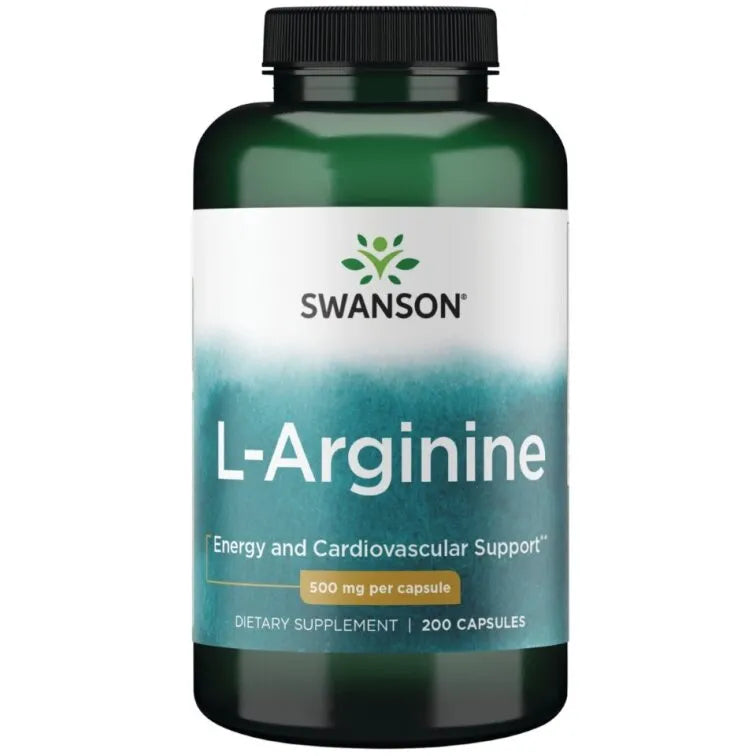
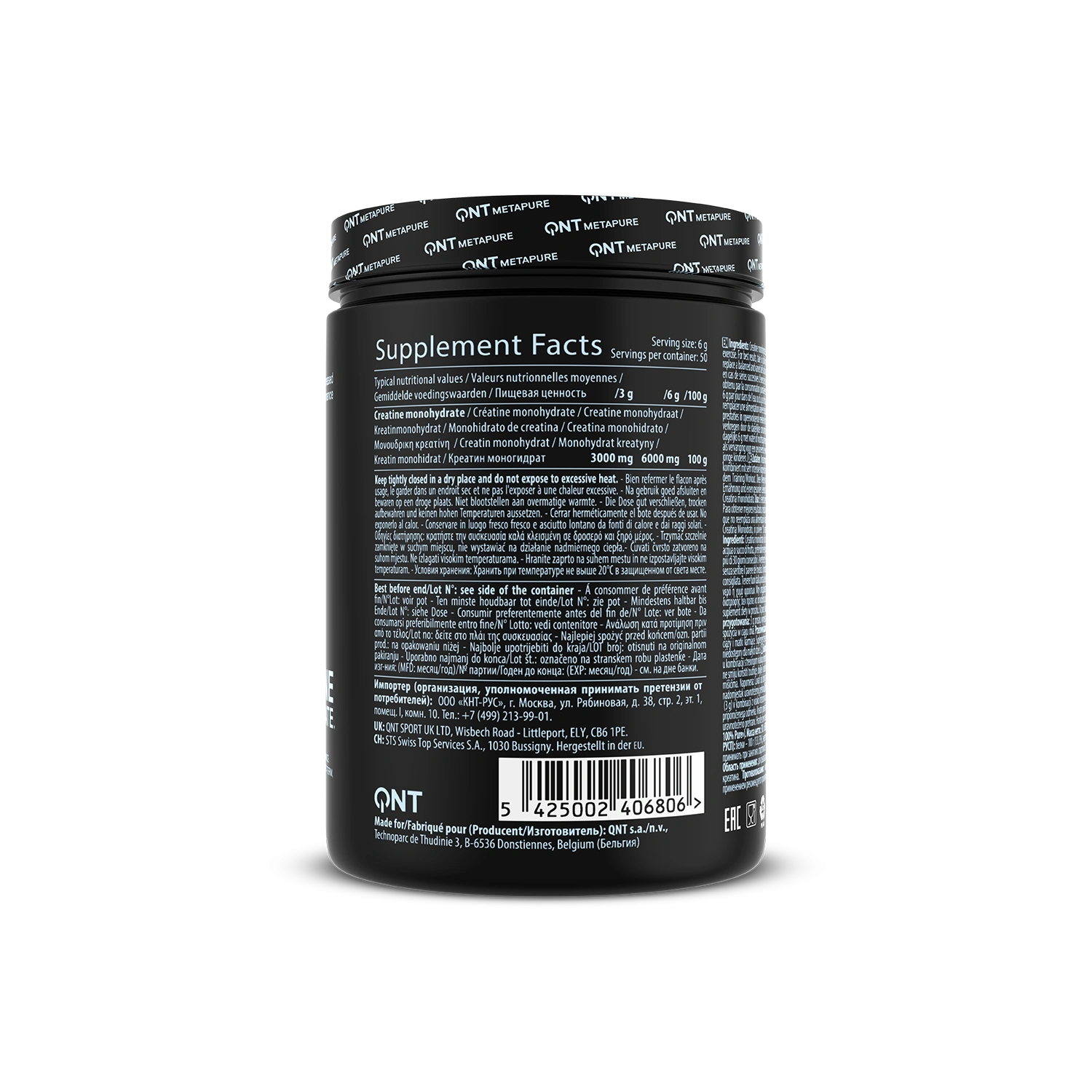
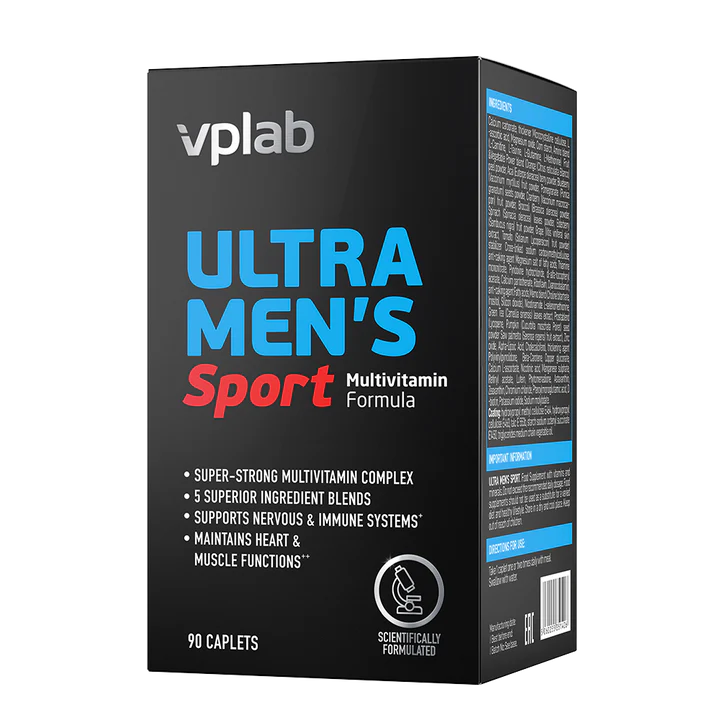
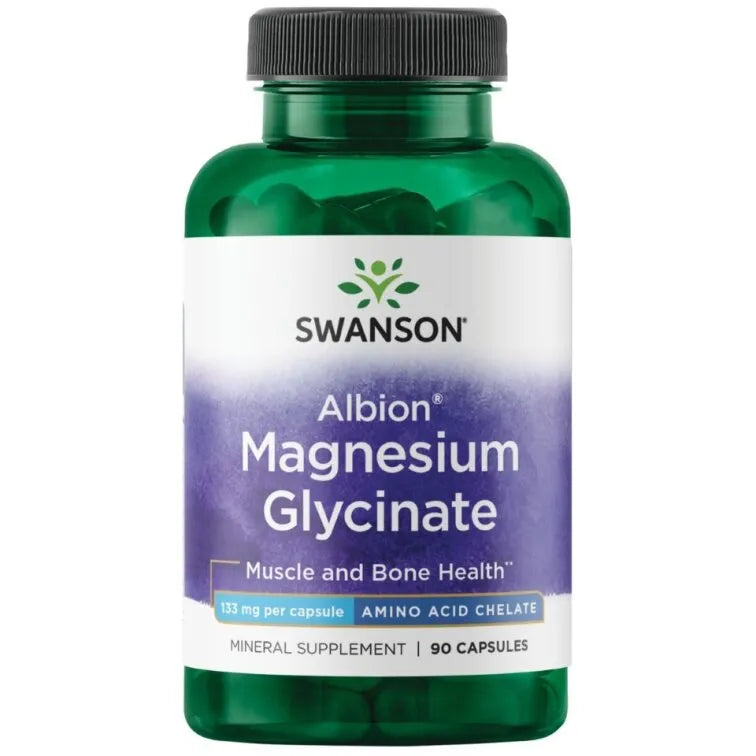


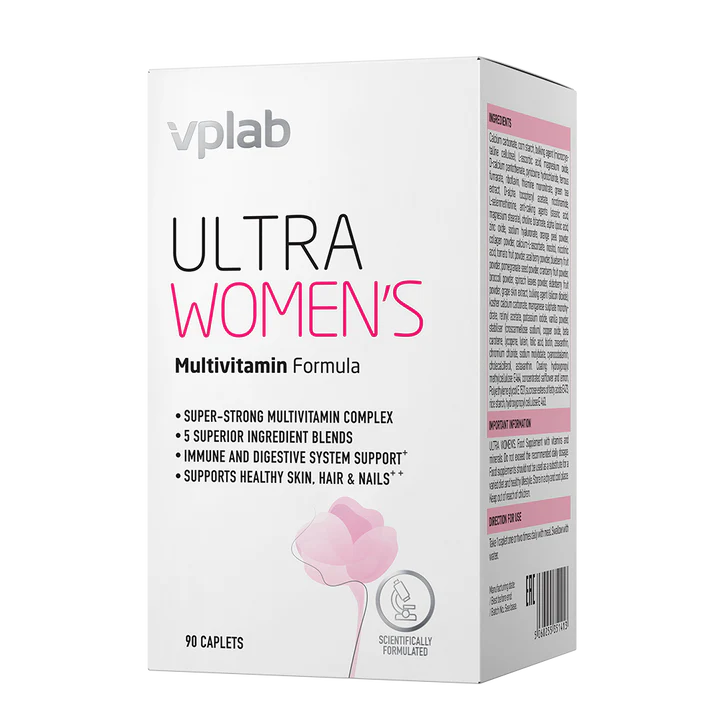


When creating a calorie deficit, it is harder to obtain the necessary amount of vitamins and minerals from food, considering nutrient absorption. Furthermore, food must be of high quality, and one must eat plenty of vegetables, fruits, and berries to get all the necessary nutrients and minerals, including omega-3. People and athletes often do not get enough nutrients; additionally, women are at a higher risk of not getting enough vitamins and minerals from their diet (due to lower calorie needs). Most commonly, people are deficient in zinc, iron, vitamin D, magnesium, calcium, iodine, and B-group vitamins. A lack of vitamins and minerals can cause general health problems, worsened bone condition, reduced productivity, and lack of energy. Under ideal conditions, all nutrients, vitamins, and minerals could be obtained from one's diet, but due to rushing, stress, and concerns regarding food quality, this is difficult to achieve; therefore, it is worth considering the use of food supplements. This is especially true given that some people dislike certain foods (e.g., beef, fatty fish) or are vegans. Considering this, we can state that obtaining enough vitamins and minerals is almost impossible, so people should consider taking supplements. Supplements that could be included while dieting:
Multivitamins and minerals
Multivitamins and minerals can be used by people who are dieting, cannot consume many food products, or have low income. Studies have shown that micronutrient deficiency is associated with a higher risk of being overweight, obesity, and other dangerous and debilitating diseases. Since more than two-thirds of the US population is overweight or obese, and studies show that a third are on a diet at any given time, they do not get enough vitamins and minerals; therefore, they could obtain them from supplements to avoid mineral and vitamin deficiencies.

As you have already understood, when dieting and eating unbalanced meals, you should include multivitamins and minerals in your diet. Multivitamins should be taken during a meal. The nutrients or other components in the food improve the absorption of vitamins and minerals. Some vitamins (A, D, E, and K) are fat-soluble and are best absorbed when eating fats (e.g., carrots + olive oil).
Vitamin D
All vitamins are important, but Lithuanians are most commonly deficient in vitamin D. Worldwide, more than a billion people face vitamin D deficiency. Vitamin D regulates the function of over 200 genes and is essential for the growth and development of the organism. Vitamin D deficiency can cause obesity, diabetes, hypertension, chronic fatigue syndrome, osteoporosis, etc. By getting enough of this vitamin, it is possible to avoid the aforementioned ailments. Fat-soluble vitamins are easy to overdose on, so you must monitor how much you get from food and take supplements responsibly. Low calcium and vitamin D intake is linked to an increase in body fat; one study showed that women who consumed plenty of vitamin D lost more weight than those who did not. Vitamin D is required for athletes. Not getting enough vitamin D can impair recovery and physical performance in competitions or the gym, making it harder to lose weight, especially for those athletes who live and train in Norway, Sweden, Lithuania, and other regions where there is less sun. Vitamin D comes in two forms: D2 and D3. The D3 form is absorbed better, so it is better to choose the vitamin D3 form. Thus, when dieting, you must ensure you get enough vitamin D so that your weight-loss journey is easier.

Calcium
Studies indicate that a diet lacking in calcium is associated with higher body weight. Sufficient calcium intake during a diet helps reduce body weight and body fat gain, or facilitates weight loss. Calcium is required for bones. Moreover, calcium is necessary for lipid breakdown and suppresses lipogenesis. Other studies indicate that insufficient dietary calcium is a risk factor for being overweight. Calcium supplements from dairy can help reduce body weight. Calcium/dairy supplements promote fat oxidation and fat content in feces. Calcium supplements and dairy products can help reduce energy intake and limit calorie content in the diet, reduce hunger, and facilitate weight loss. If you decide to use calcium, it would be beneficial to choose calcium carbonate. Calcium carbonate is one of the best-absorbed forms of calcium, including calcium citrate, which also features decent absorption and is important for strong bones. Furthermore, you will get greater benefits from calcium supplements if you split the dosage into several meals per day, as this will promote better calcium absorption.
In summary, while dieting, it would be good to obtain enough calcium from food or supplements so that you feel well and, perhaps, improve fat burning.
The second part of the article is here.
References:
Ada L, Dorsch S, Canning CG (2006). "Strengthening interventions increase strength and improve activity after stroke: A systematic review". Australian Journal of Physiotherapy. 52 (4): 241–48.
Shelton RC, Puleo E, Syngal S, Emmons KM. Multivitamin use among multi-ethnic, low-income adults. Cancer Causes Control. 2009 Oct;20(8):1271-80.
Calton JB. Prevalence of micronutrient deficiency in popular diet plans. J Int Soc Sports Nutr. 2010 Jun 10;7:24.
Holick MF, Chen TC. Vitamin D deficiency: a worldwide problem with health consequences. Am J Clin Nutr. 2008 Apr;87(4):1080S-6S.
Cannell JJ, Hollis BW, Sorenson MB, Taft TN, Anderson JJ. Athletic performance and vitamin D. Med Sci Sports Exerc. 2009 May;41(5):1102-10.
Romagnoli E, Mascia ML, Cipriani C, Fassino V, Mazzei F, D'Erasmo E, Carnevale V, Scillitani A, Minisola S. Short and long-term variations in serum calciotropic hormones after a single very large dose of ergocalciferol (vitamin D2) or cholecalciferol (vitamin D3) in the elderly. J Clin Endocrinol Metab. 2008
Naeem Z. Vitamin d deficiency- an ignored epidemic. Int J Health Sci (Qassim). 2010;4(1):V-VI.
Mason C et. al. trial. Vitamin D3 supplementation during weight loss: a double-blind randomized controlled trial1,2,3 Am J Clin Nutr. (2014) 99(5): 1015–1025.
Tremblay A, Gilbert JA. Human obesity: is insufficient calcium/dairy intake part of the problem? J Am Coll Nutr. 2011 Oct;30(5 Suppl 1):449S-53S.
Shapses SA, Heshka S, Heymsfield SB. Effect of calcium supplementation on weight and fat loss in women. J Clin Endocrinol Metab. 2004;89(2):632-637.