

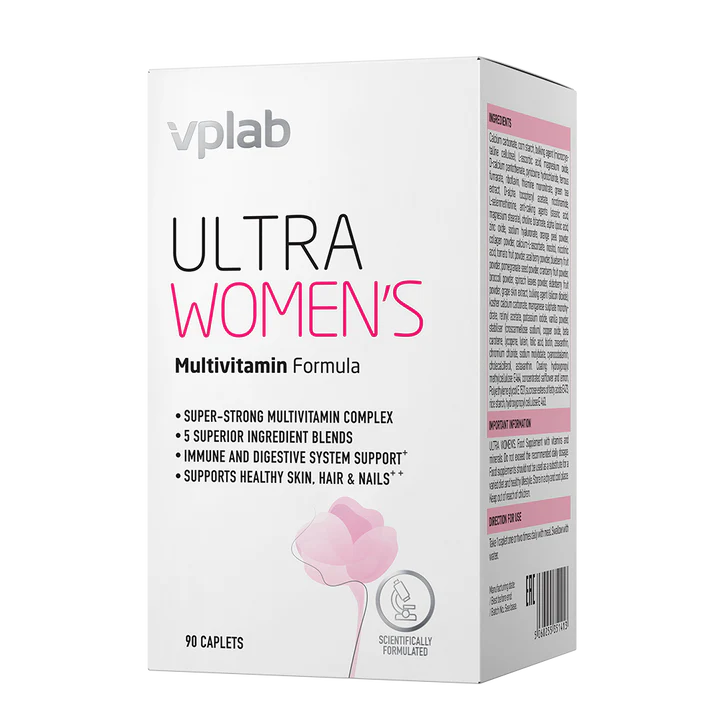


Fish oil and weight loss
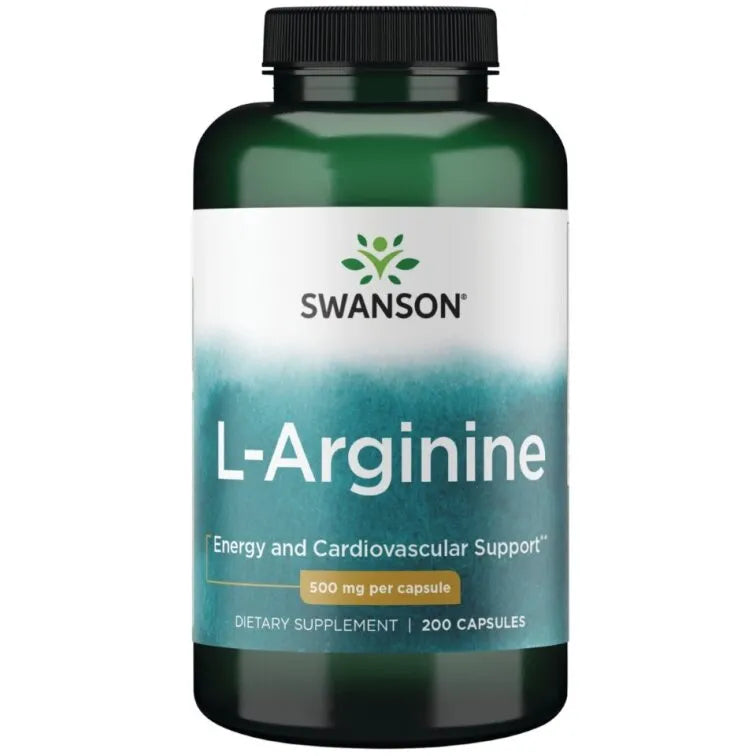
Today, many Lithuanians do not get enough omega-3, eicosapentaenoic acid (EPA), and docosahexaenoic acid (DHA) from their diet because they do not eat fatty fish (salmon, roe, cod liver, herring, oysters, sardines), as high-quality fish is expensive; therefore, it is important to include omega-3 in your diet. A sufficient amount of omega-3 in the human diet reduces inflammatory processes in the body, improves immune system function, and also improves fat mobilization while slightly stimulating fat burning and weight loss. Fish oil is essential for women and helps reduce the risk of colon, uterine, and skin cancer. Additionally, fish oil consumption can help reduce symptoms of depression, high blood pressure, diabetes, and other disease risks. Furthermore, DHA is crucial for a baby's brain development. Adequate fish oil intake can improve a newborn's health. Consuming fish oil can improve brain sensitivity to leptin (which can help with dieting and feeling better), and an insufficient amount of EPA/DHA in the brain is associated with unpleasant mood swings or even psychological illnesses. Moreover, fish oil supplements can help alleviate PMS symptoms.
It would be beneficial to obtain about 1.8–3.0 grams of EPA/DHA from your diet or supplements. You can also get EPA/DHA from krill oil, which may be even more beneficial than fish oil. Krill oil looks different from fish oil. Fish oil is usually yellow, while krill oil is pink due to the antioxidant astaxanthin it contains. It should be mentioned that fish oil supplements react to heat and light, so they should be stored in dark bottles in a cool place, such as a refrigerator. Some people experience unpleasant sensations and burping when taking fish oil supplements; these symptoms can be mitigated by using supplements in enteric-coated capsules and keeping them in a cool place.
In summary, omega-3 is important when dieting; everyone should enrich their diet with these acids to improve weight loss and overall well-being, brain function, and the activity of the nervous, cardiovascular, and circulatory systems. Adding that omega-3 positively affects bones, joints, vision, the endocrine system, the immune system, inflammatory processes in the body, metabolism, and recovery after training or injuries.
Zinc and weight loss
Zinc is essential for the human body. A zinc deficiency can cause cataracts, allergies, diabetes, skin and eye diseases, prostate adenoma, chronic fatigue, and psychological illnesses; zinc can also affect digestion. Zinc is involved in the activation of more than 300 enzymes in the body, the synthesis of nucleic acids (DNA and RNA) and proteins, and hormone metabolism (especially sex hormones); it directly affects tissue and skeletal collagen and improves vision. Not getting enough zinc impairs testosterone production (therefore, men should get enough zinc to produce sufficient testosterone before considering the use of more serious supplements).

Zinc is involved in many biological processes: zinc is essential for people who are dieting. Not getting enough zinc from your diet can lead to lower thyroid hormone levels and a slower metabolism. A study found that taking zinc supplements for several months improved zinc levels in the human body and increased thyroid hormone levels. Additionally, other studies have indicated that zinc consumption allows for more weight loss and reduced body measurements (if the person is not getting enough zinc from their diet).
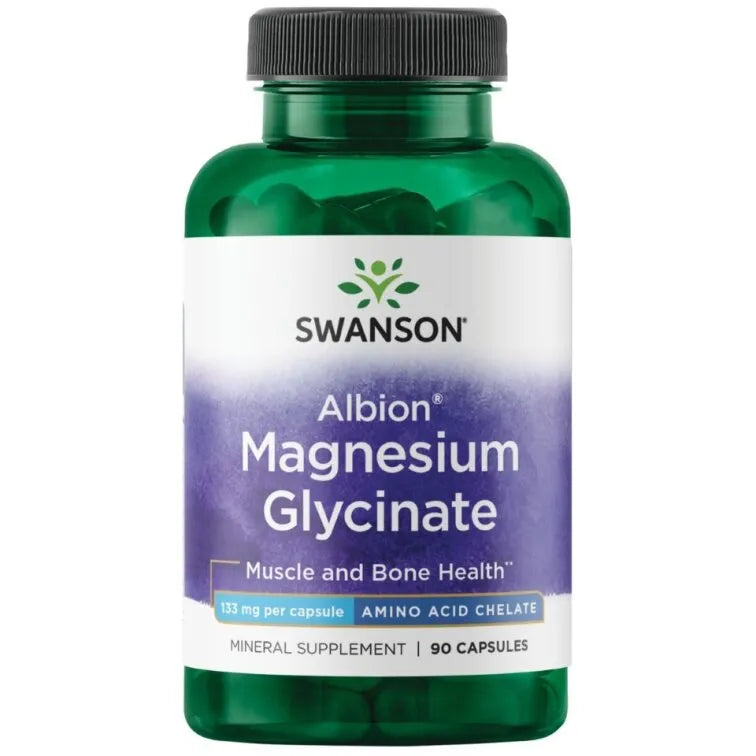
An interesting observation is that zinc positively affects sleep quality, and better sleep equals optimal weight loss. Furthermore, it has been proven that zinc and magnesium improve serotonin signaling, which helps reduce cravings for sweet foods and symptoms of depression; this may indicate that zinc consumption can help control calorie intake and assist in weight loss.
The first part of the article is here.
References:
Calder PC1, Yaqoob P.Omega-3 polyunsaturated fatty acids and human health outcomes. Biofactors. (2009) 35(3):266-72.
Simopoulos AP.Omega-3 fatty acids in inflammation and autoimmune diseases. J Am Coll Nutr. (2002) 21(6):495- 505.
Navarini L et. al. Polyunsaturated fatty acids: any role in rheumatoid arthritis? Lipids Health Dis. 2017 Oct 10;16(1):197.
Wilson PB and LA Madrigal. Associations among Omega-3 Fatty Acid Status, Anxiety, and Mental Toughness in Female Collegiate Athletes. J Am Coll Nutr. (2017) Sep 14:1-6.
Buckley JD1, Howe PR. Anti-obesity effects of long-chain omega-3 polyunsaturated fatty acids. Obes Rev. (2009) 10(6):648-59
Visioli F et. al. Dietary intake of fish vs. formulations leads to higher plasma concentrations of n-3 fatty acids. Lipids. (2003) 38(4):415-8.
Bourre JM et al. Dietary omega-3 fatty acids for women. Biomed Pharmacother. (2007) 61(2-3):105-12.
Gray, B., Steyn, F., Davies, P. et al. Omega-3 fatty acids: a review of the effects on adiponectin and leptin and potential implications for obesity management. Eur J Clin Nutr 67, 1234–1242 (2013).
Filho, EAR et. al.Essential fatty acids for premenstrual syndrome and their effect on prolactin and total cholesterol levels: a randomized, double blind, placebo-controlled study Reprod Health. (2011) Jan 17;8:2
Noreen EE et. al.Effects of supplemental fish oil on resting metabolic rate, body composition, and salivary cortisol in healthy adults J Int Soc Sports Nutr. 2010; 7: 31. Published online (2010) Oct 8.
Sampalis F et. al.Evaluation of the effects of Neptune Krill Oil on the management of premenstrual syndrome and dysmenorrhea. Altern Med Rev. (2003) 8(2):171-9.
Köhler A, Sarkkinen E, Tapola N, Niskanen T, Bruheim I. Bioavailability of fatty acids from krill oil, krill meal and fish oil in healthy subjects--a randomized, single-dose, cross-over trial. Lipids Health Dis. 2015 Mar 15;14:19.
Payahoo L, Ostadrahimi A, Mobasseri M, Khaje Bishak Y, Farrin N, Asghari Jafarabadi M, Mahluji S. Effects of zinc supplementation on the anthropometric measurements, lipid profiles and fasting blood glucose in the healthy obese adults. Adv Pharm Bull. 2013;3(1):161-5.
Khorsandi H, Nikpayam O, Yousefi R, et al. Zinc supplementation improves body weight management, inflammatory biomarkers and insulin resistance in individuals with obesity: a randomized, placebo-controlled, double-blind trial. Diabetol Metab Syndr. 2019;11:101. Published 2019 Dec 2.
Cherasse Y, Urade Y. Dietary Zinc Acts as a Sleep Modulator. Int J Mol Sci. 2017;18(11):2334. Published 2017 Nov 5.
Szewczyk B, Poleszak E, Sowa-Kućma M, Siwek M, Dudek D, Ryszewska-Pokraśniewicz B, Radziwoń-Zaleska M, Opoka W, Czekaj J, Pilc A, Nowak G. Antidepressant activity of zinc and magnesium in view of the current hypotheses of antidepressant action. Pharmacol Rep. 2008 Sep-Oct;60(5):588-9. PMID: 19066406.
Maxwell C, Volpe SL. Effect of zinc supplementation on thyroid hormone function. A case study of two college females. Ann Nutr Metab. 2007;51(2):188-94.